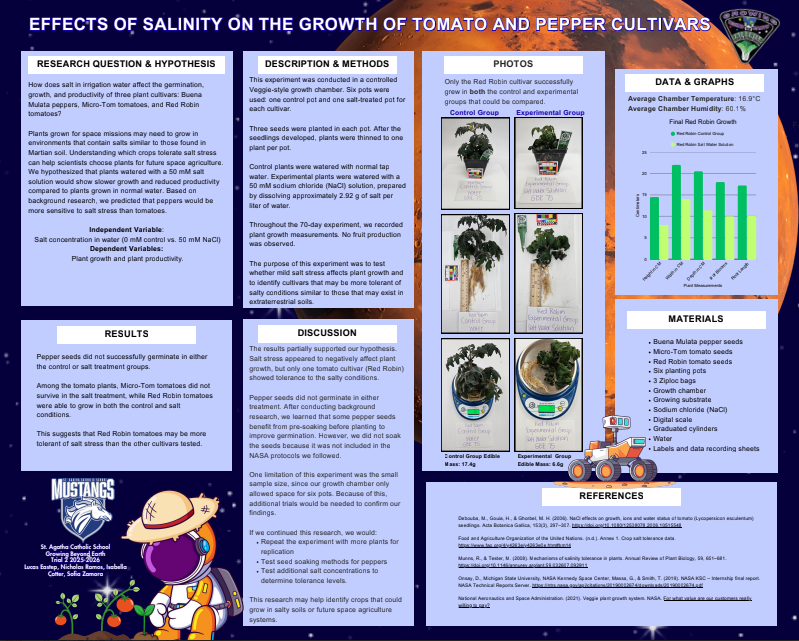
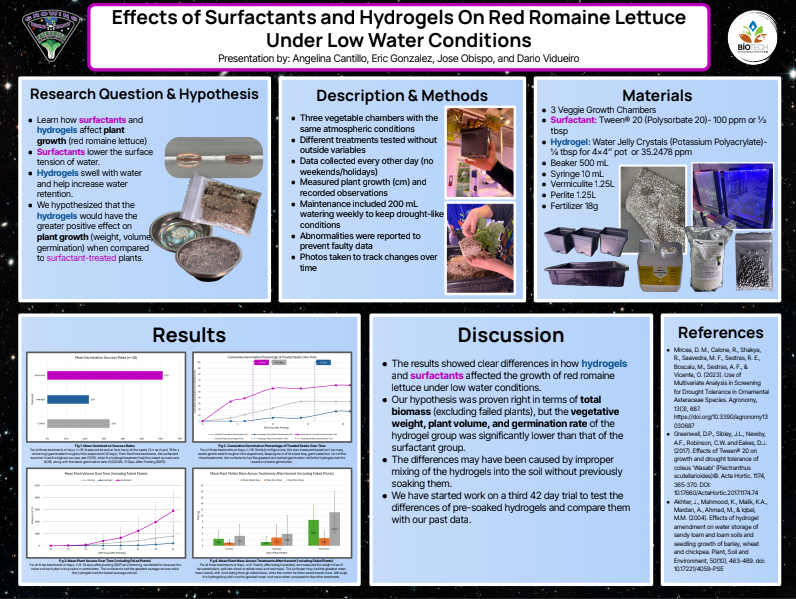
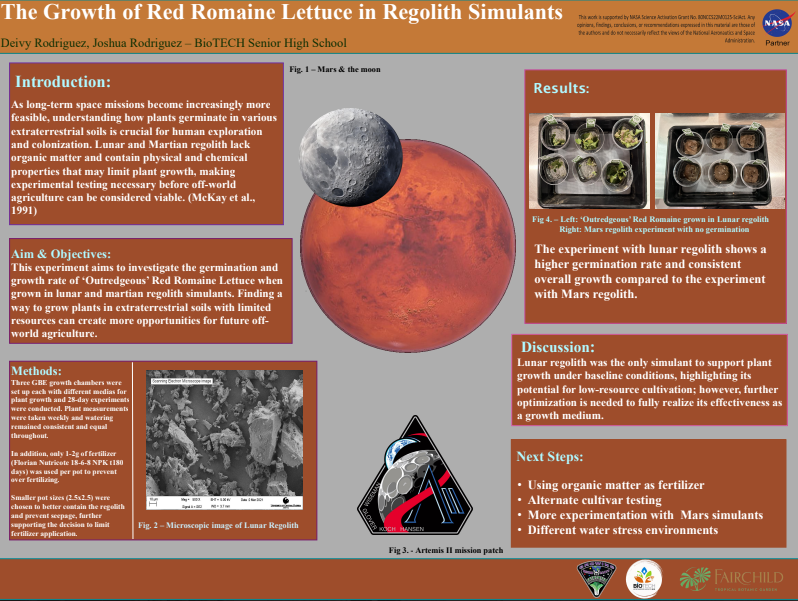
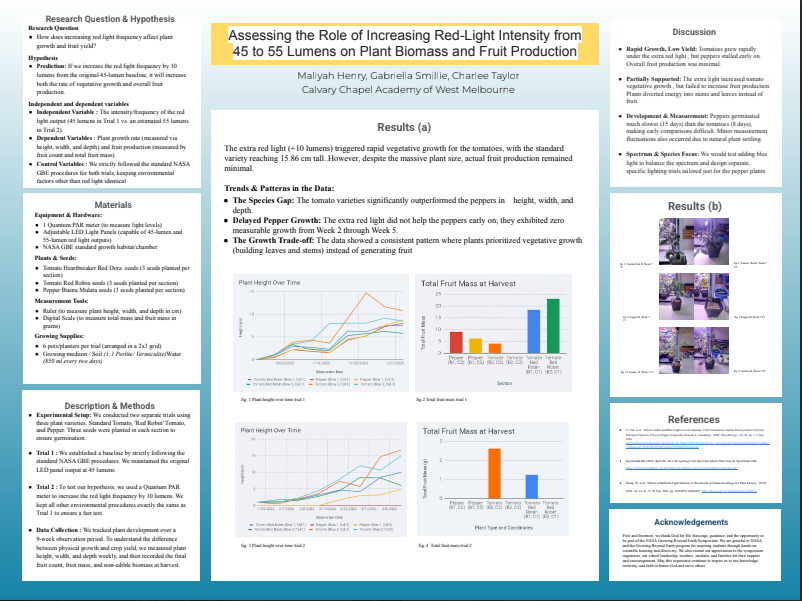
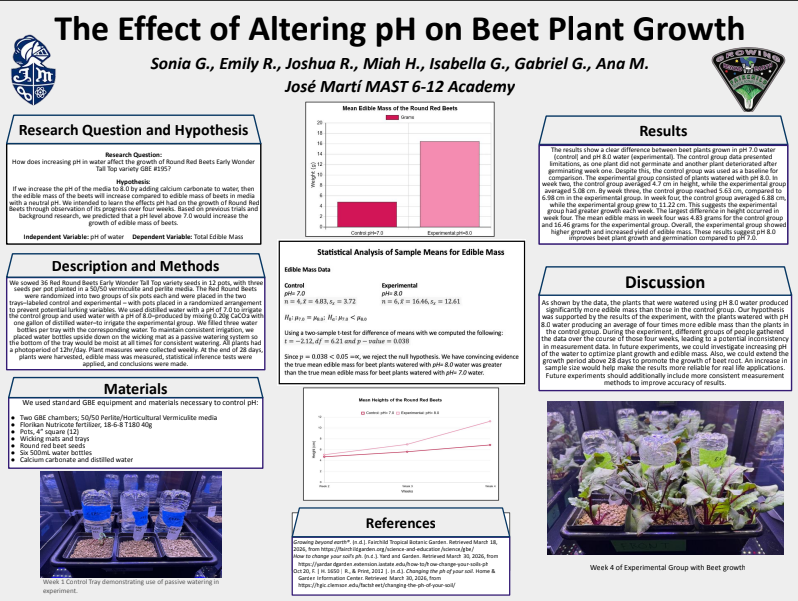
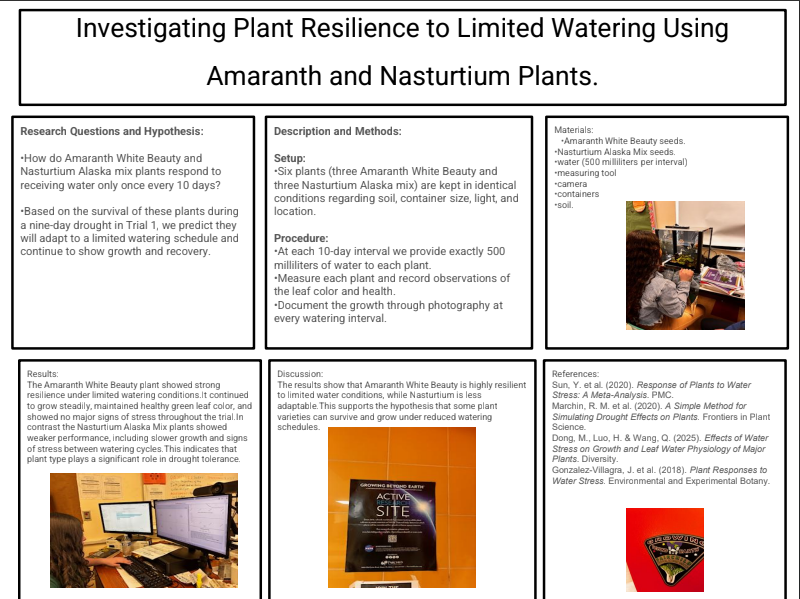
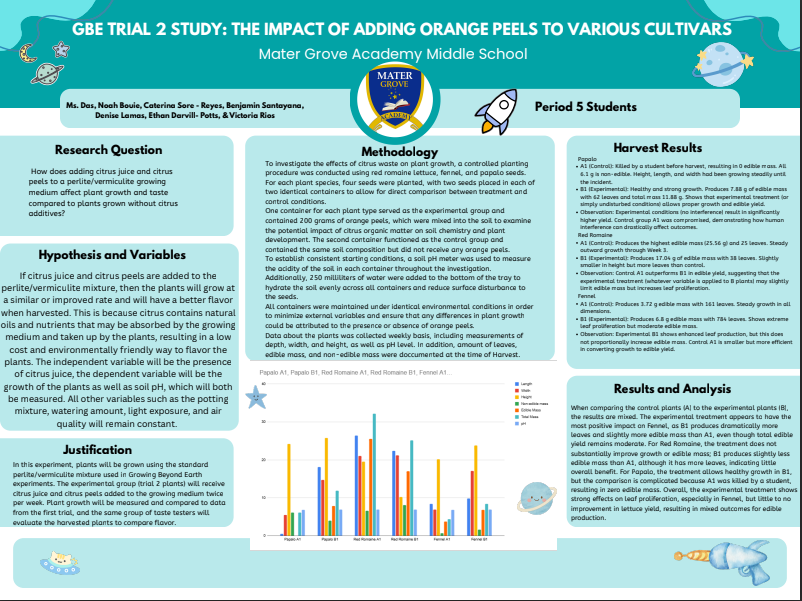
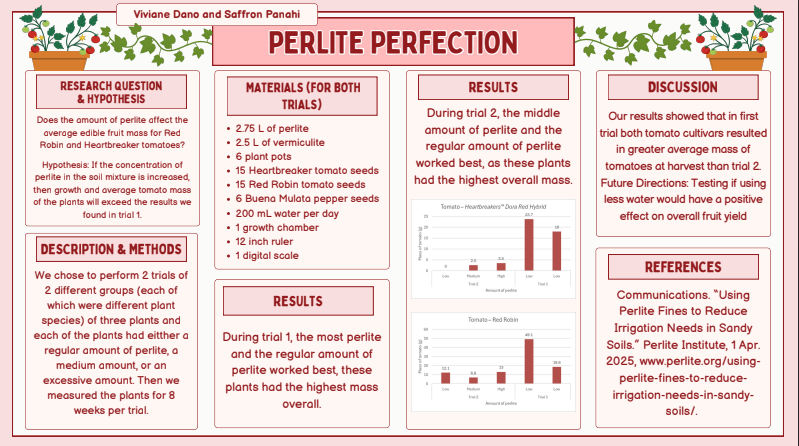
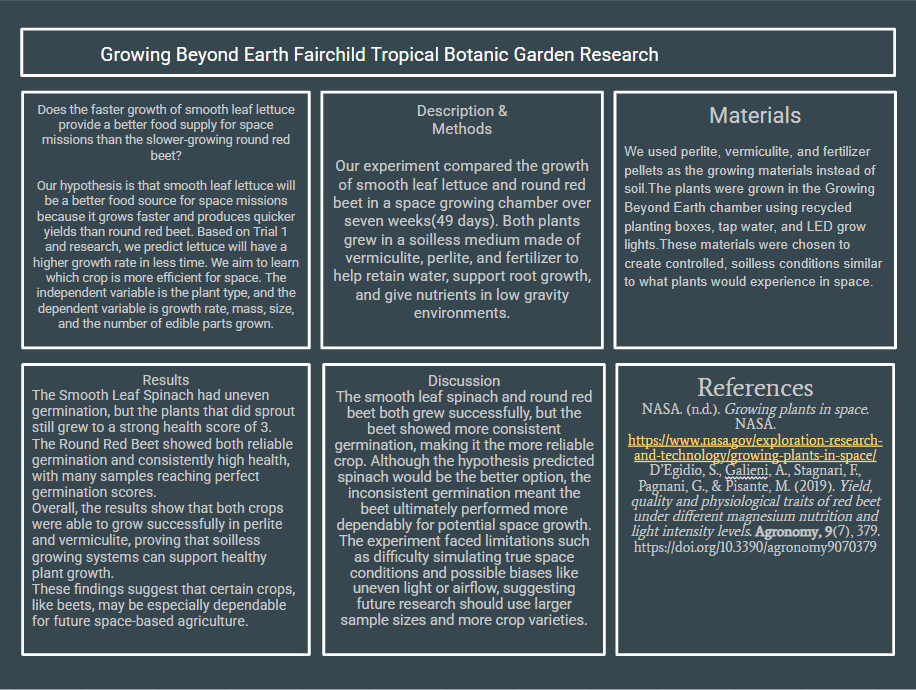
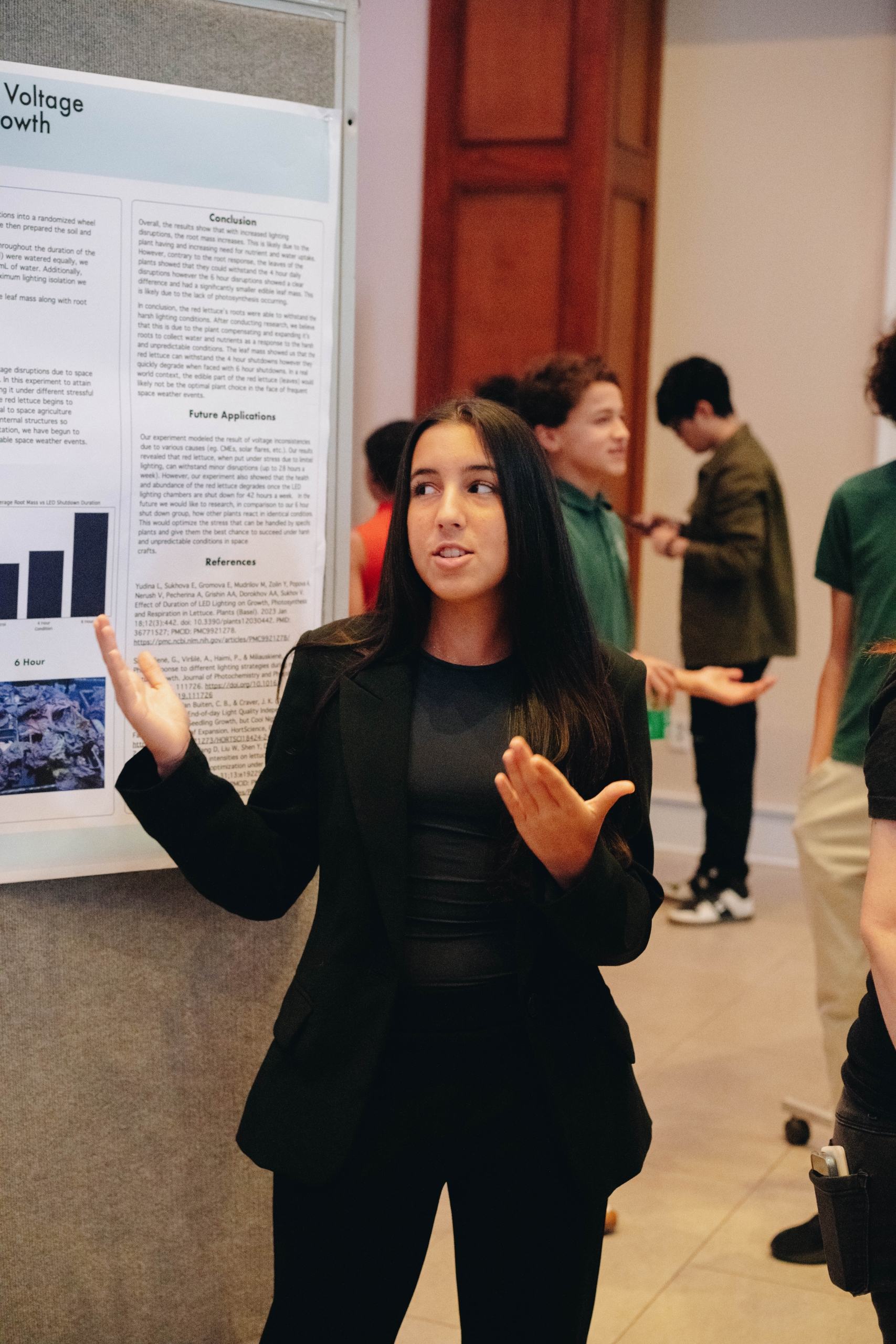
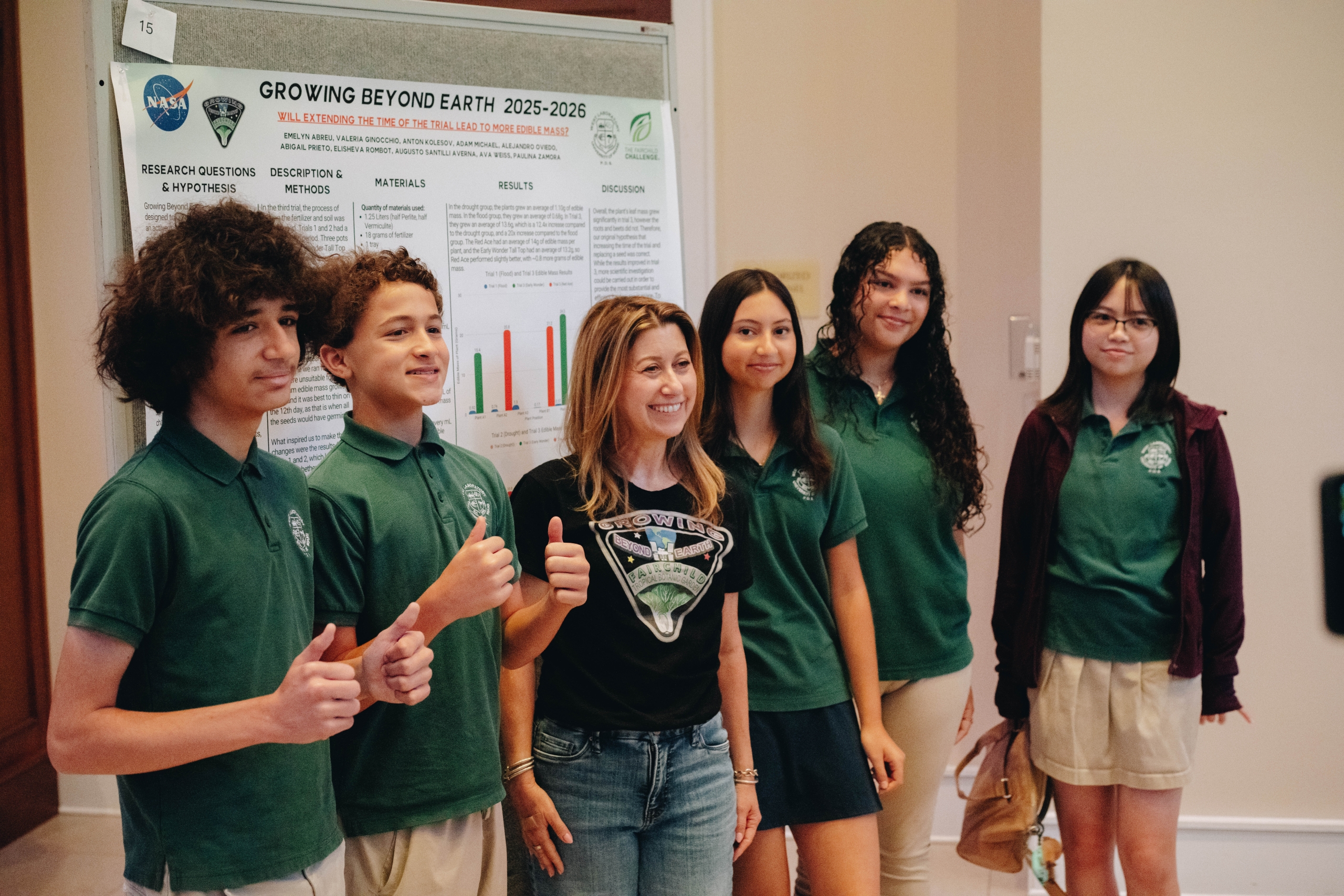
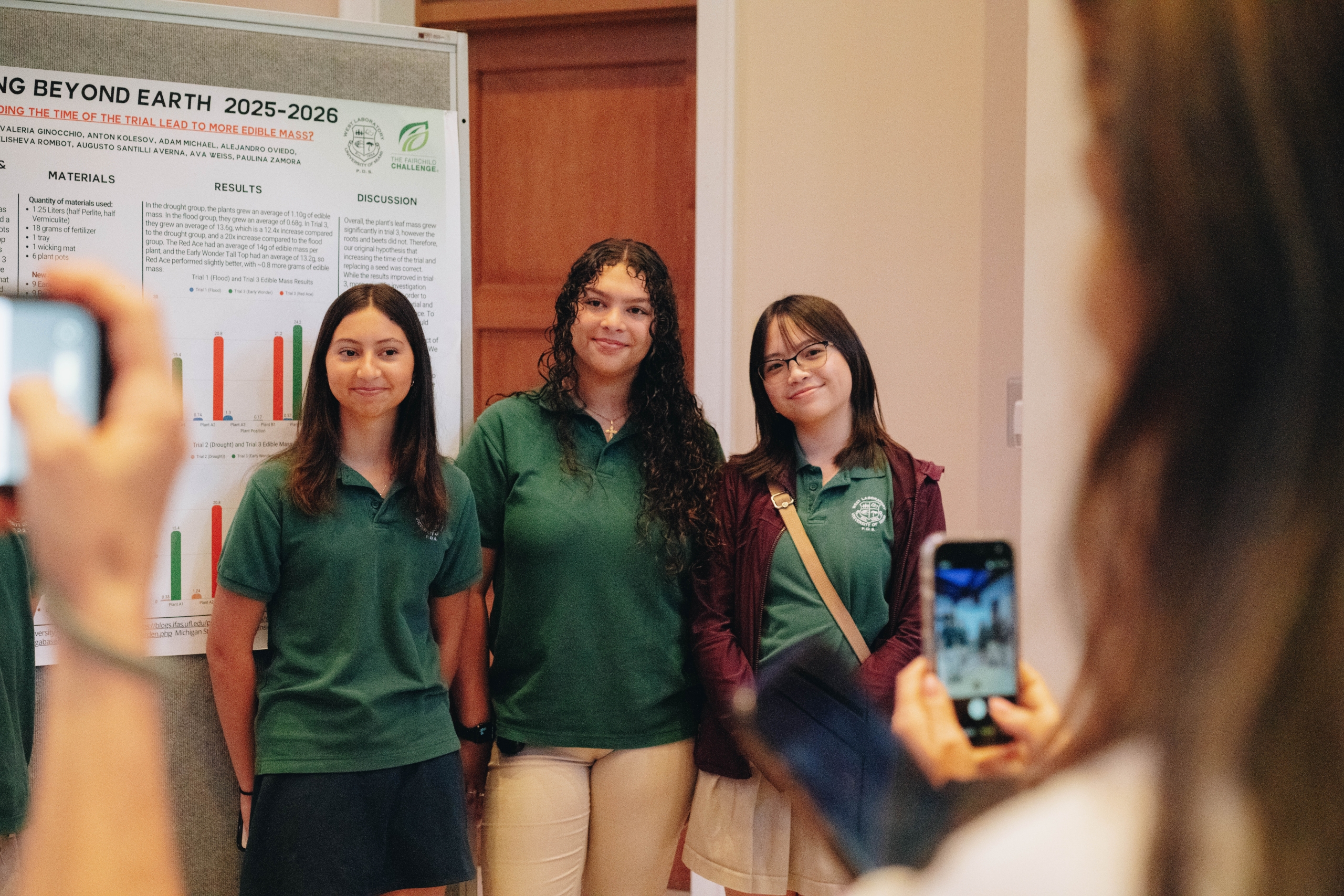
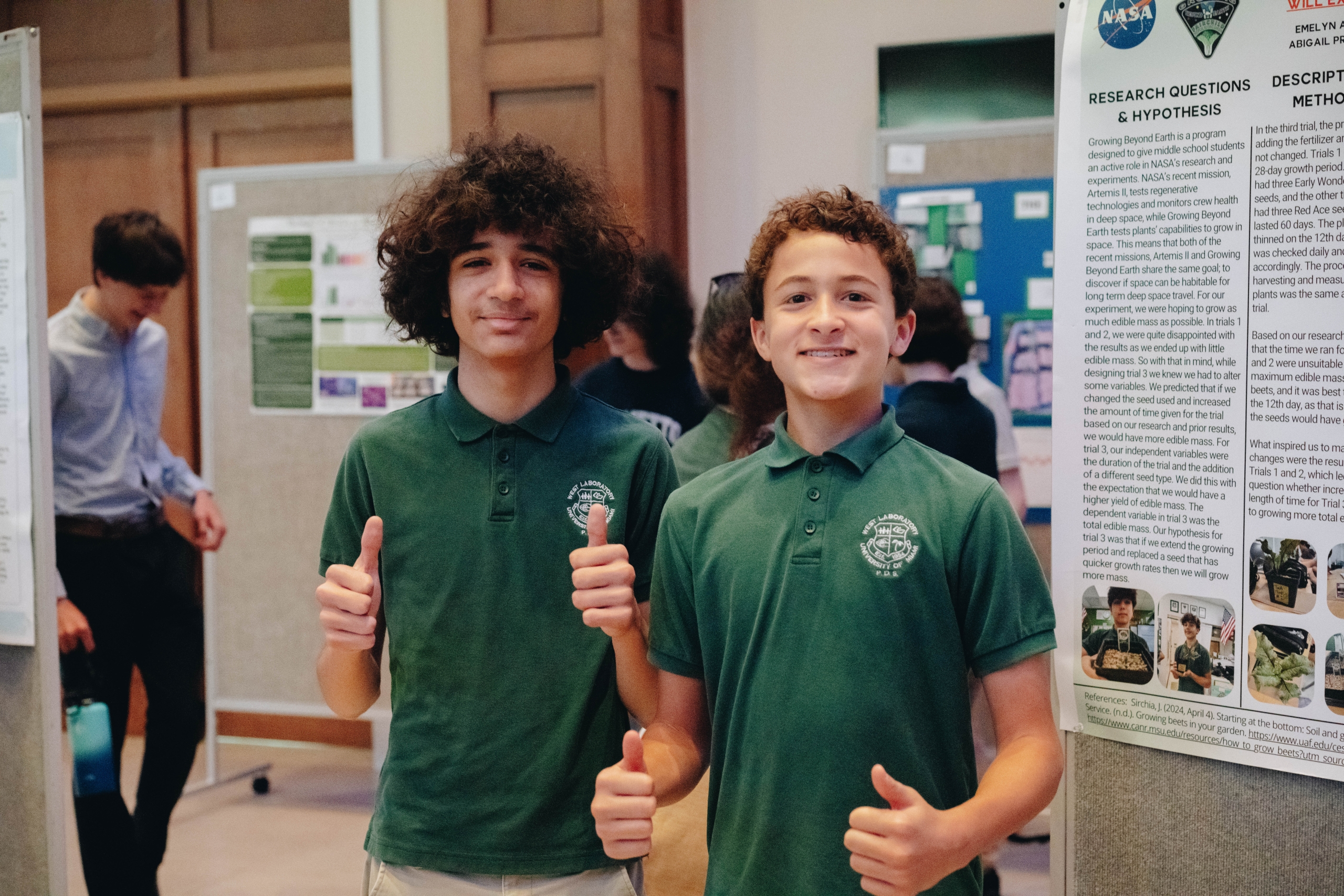
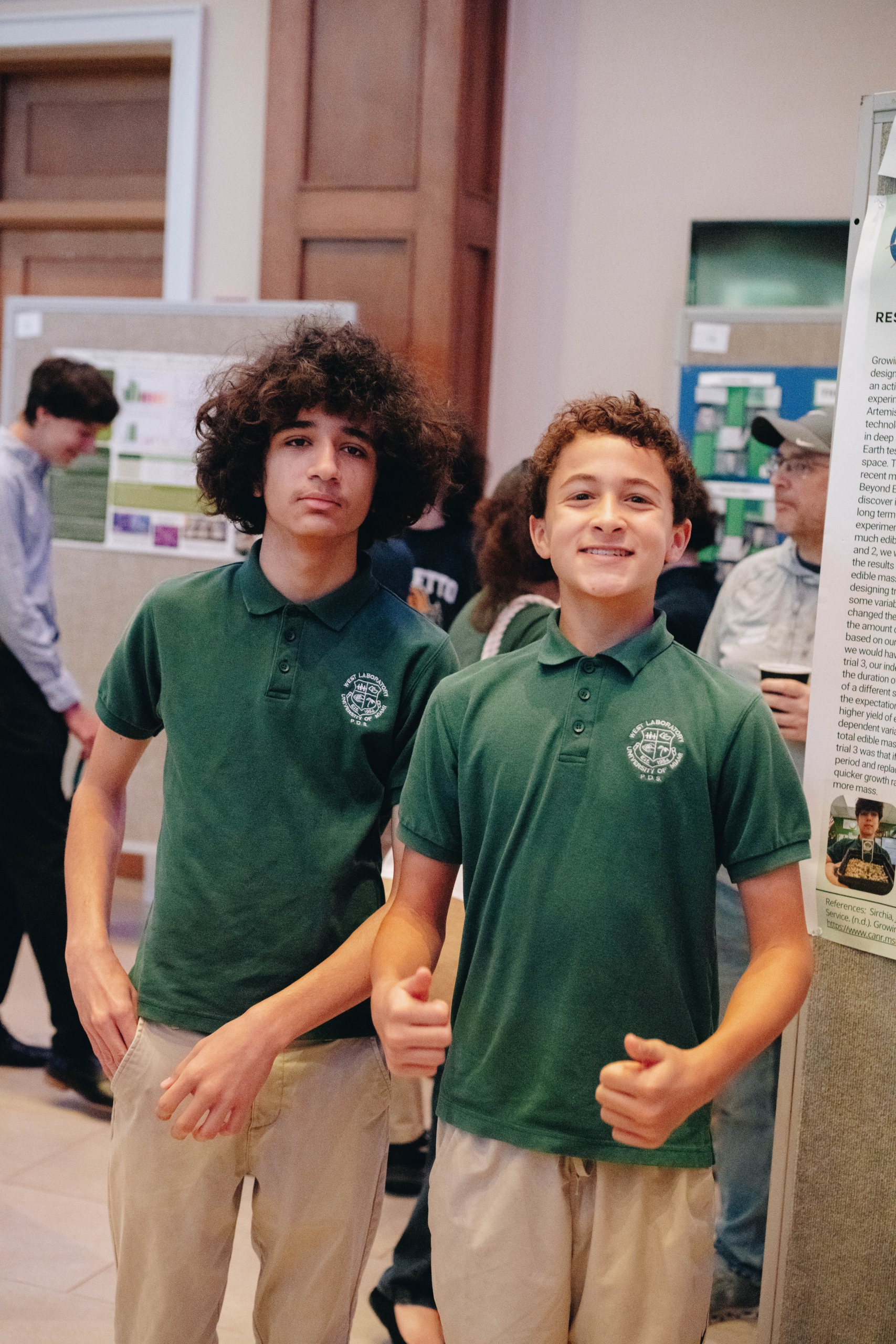
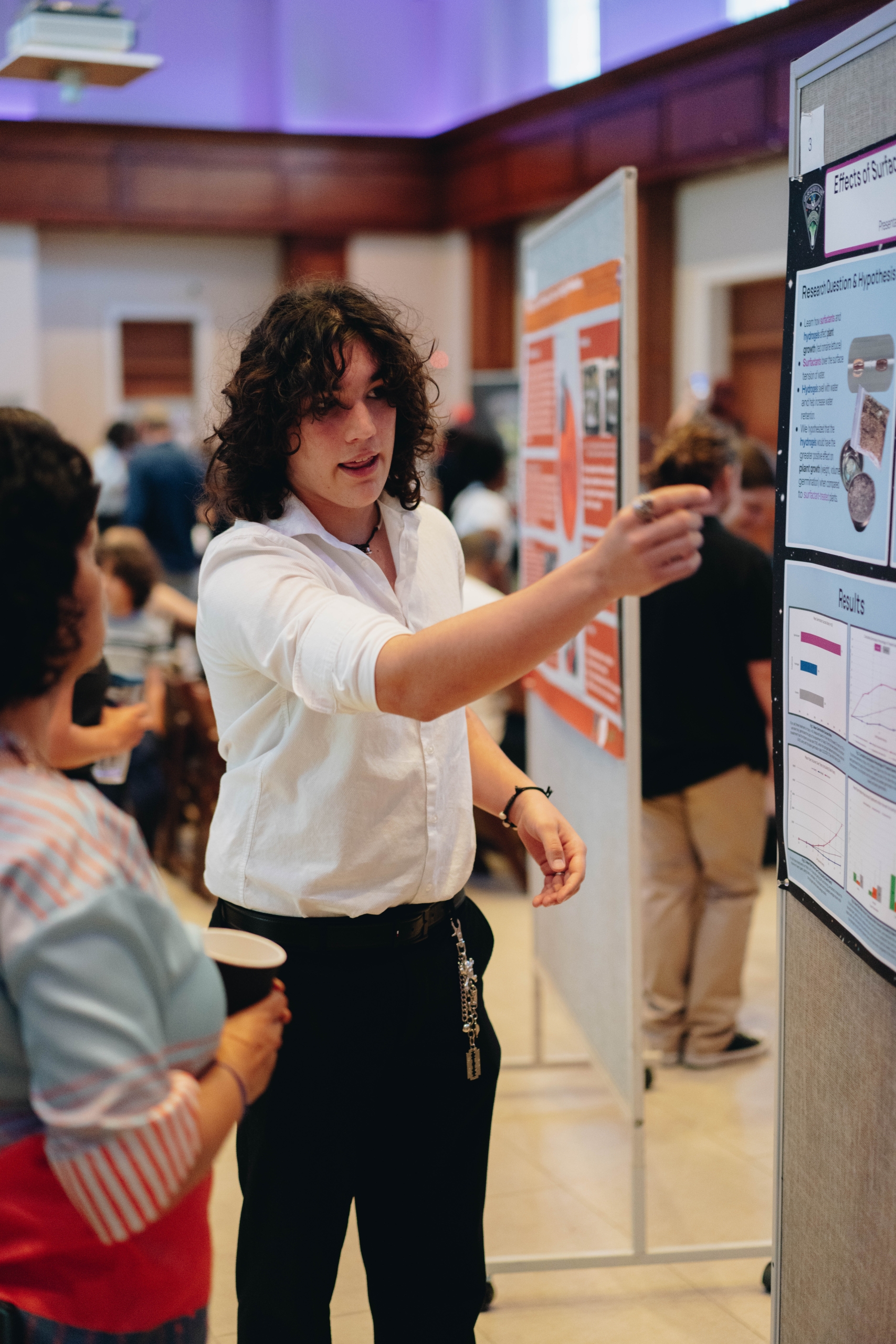
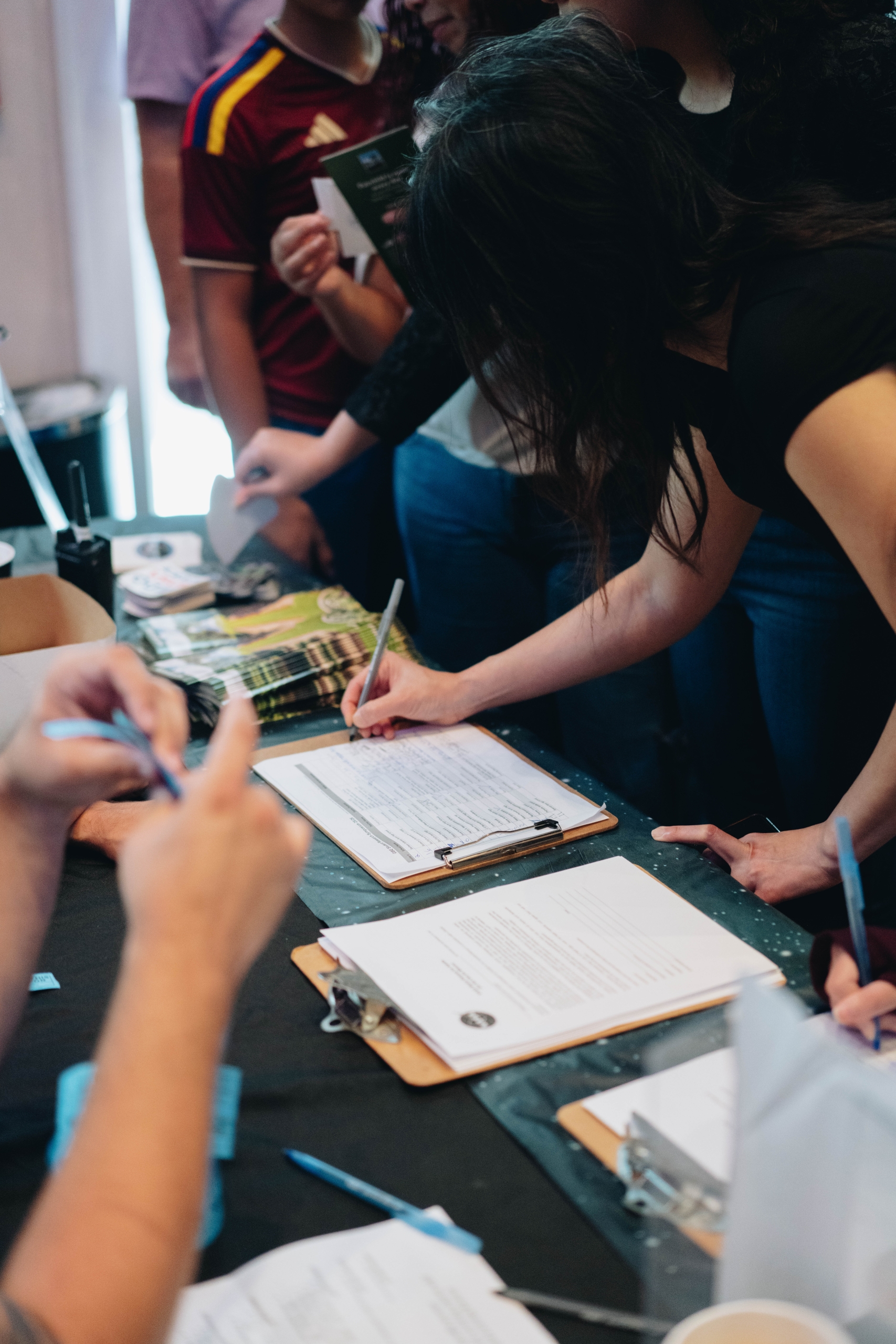
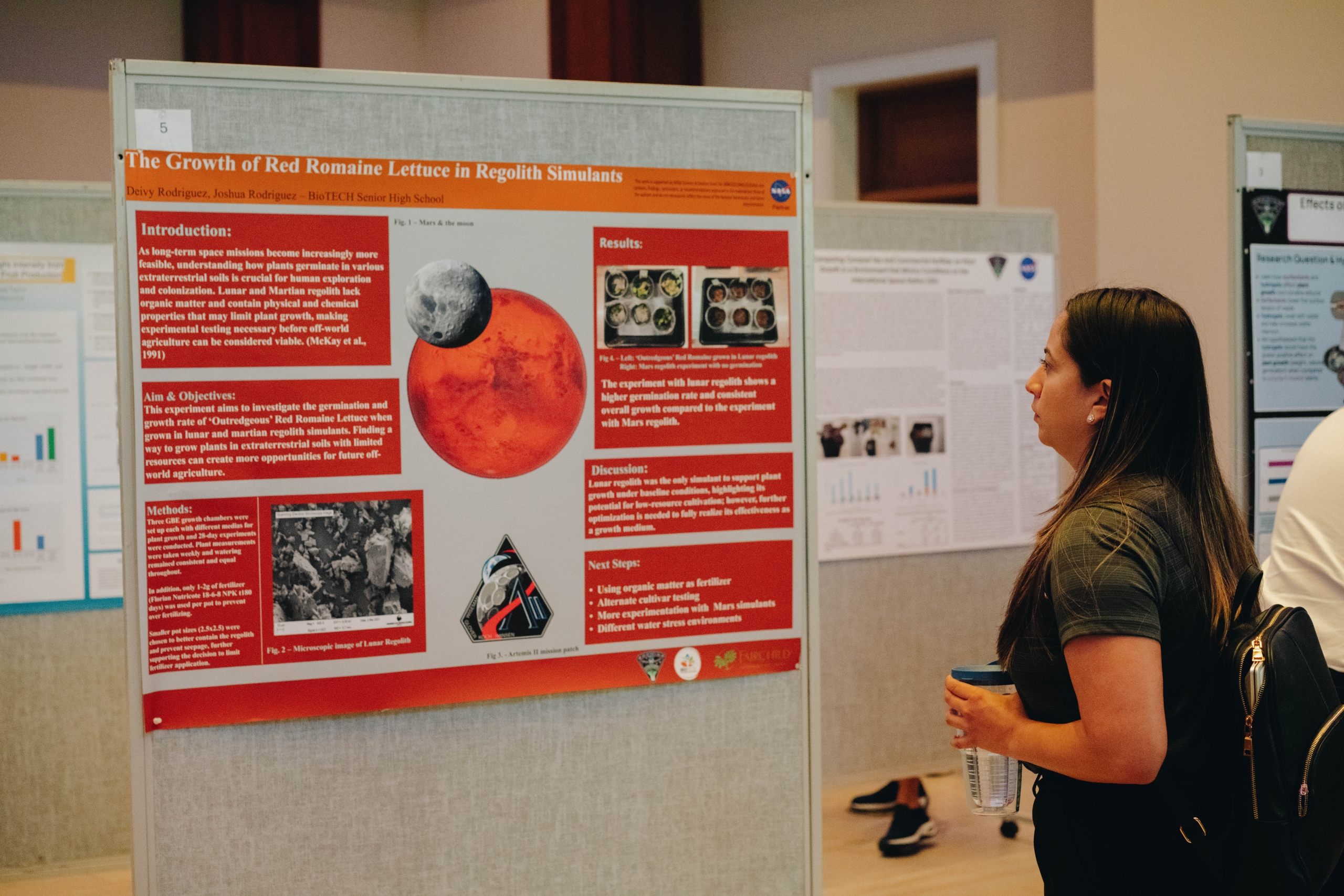
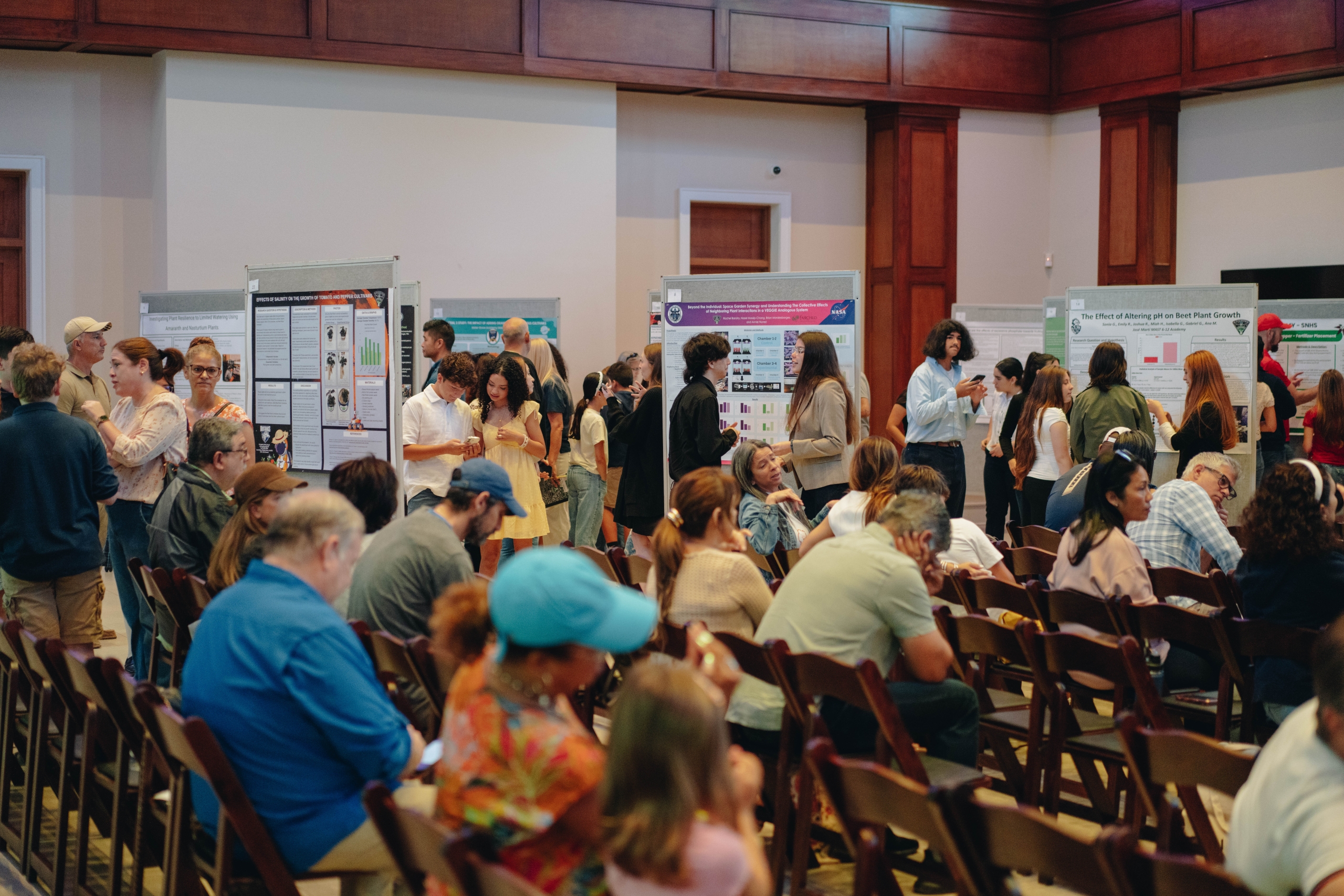
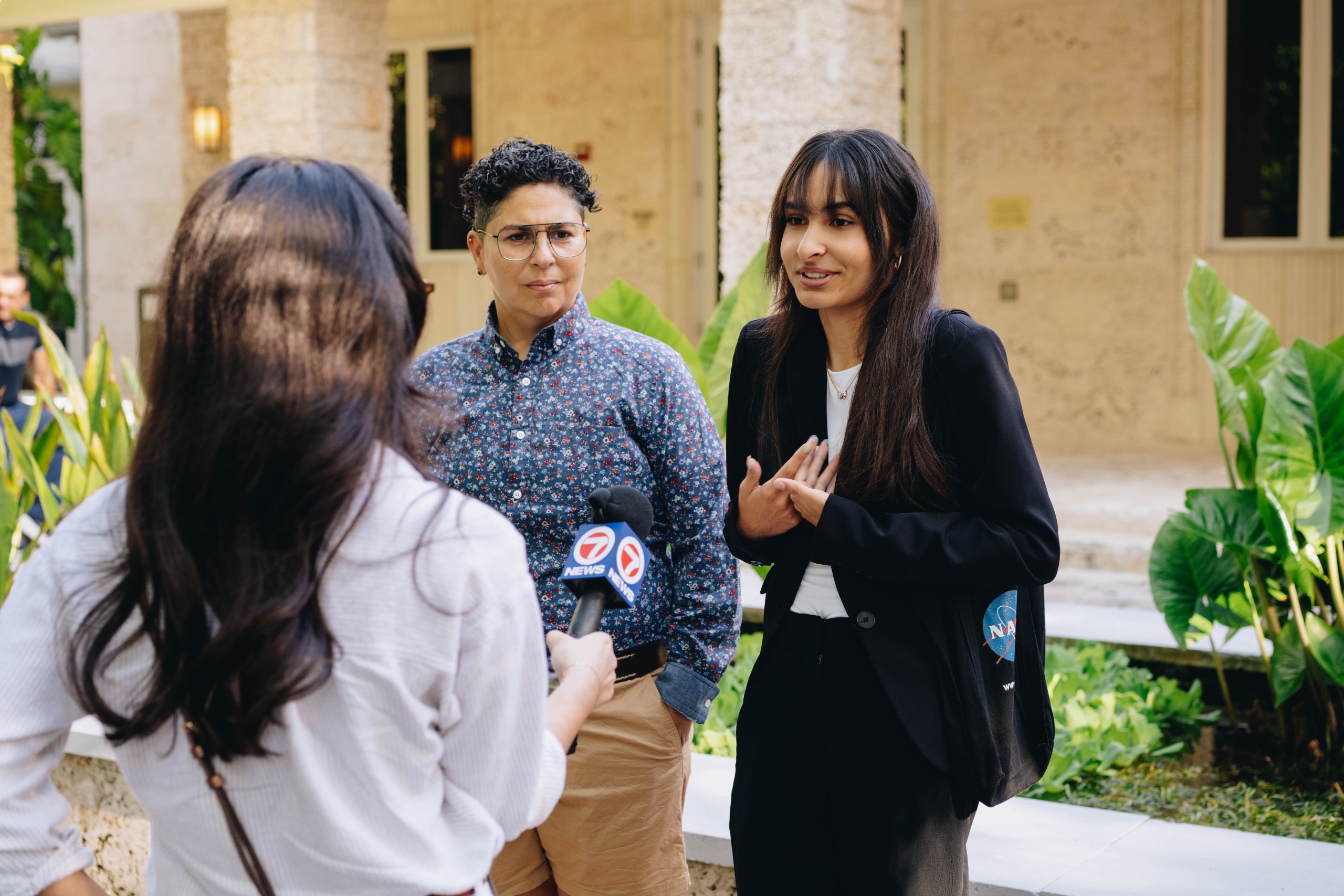
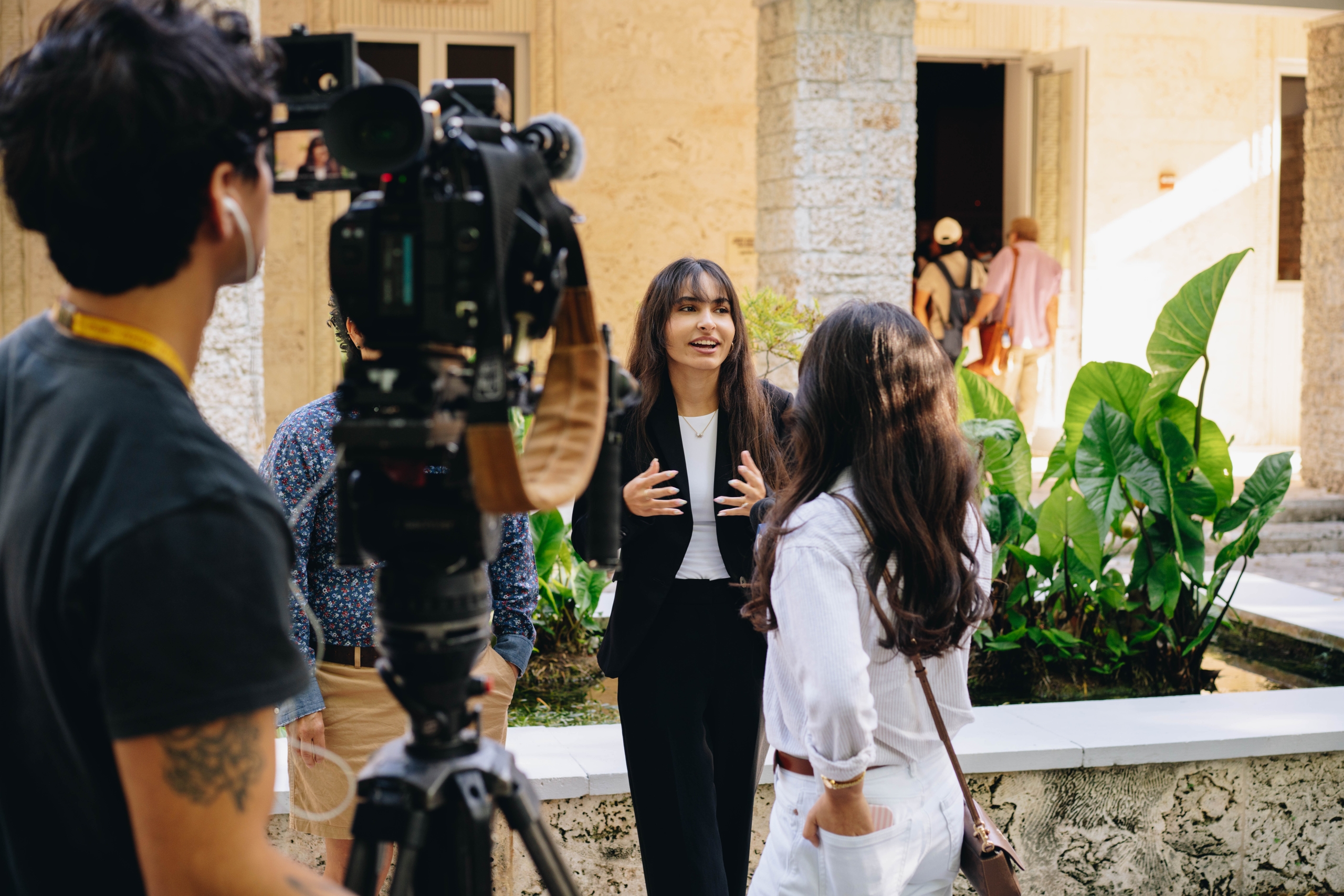
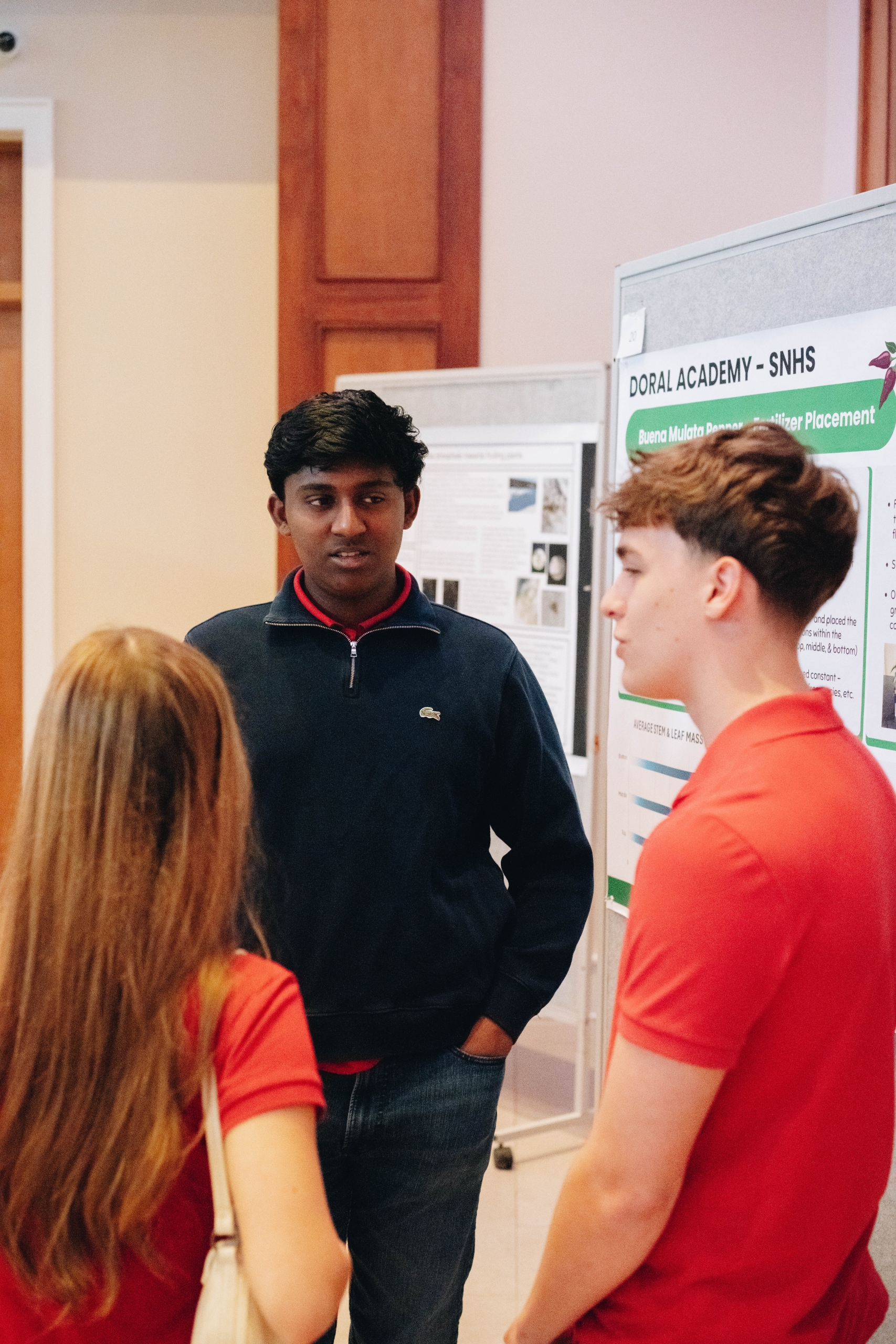
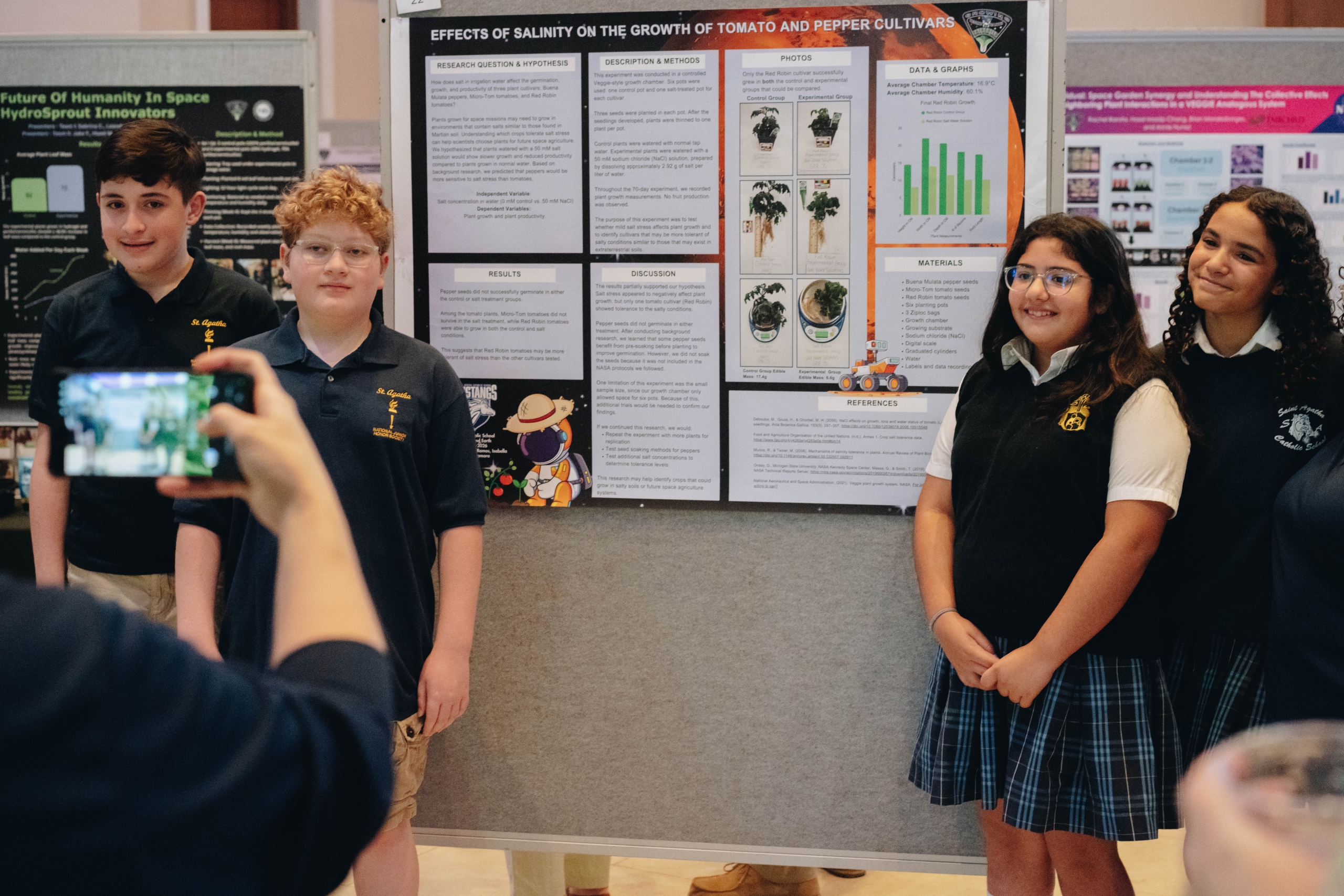
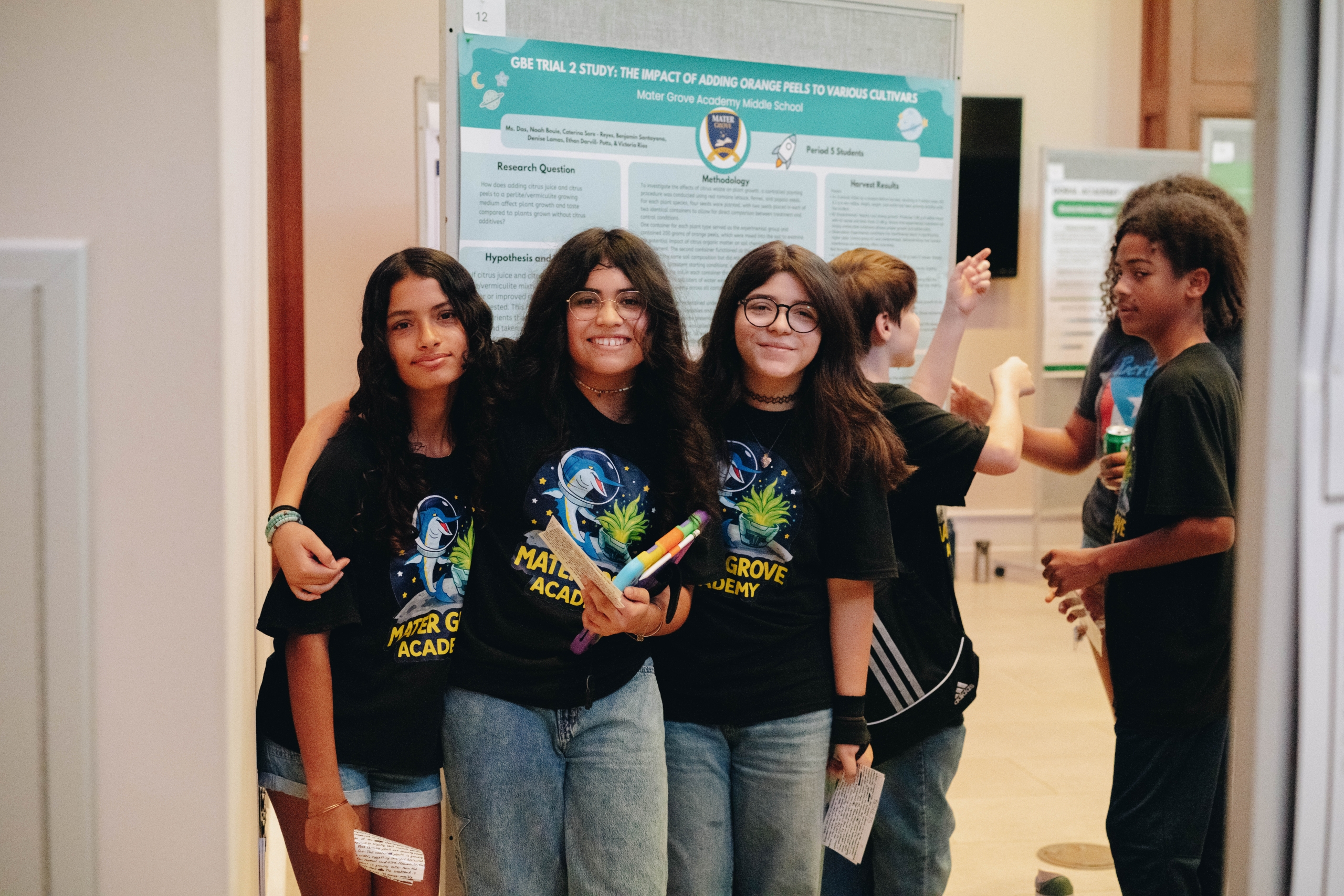
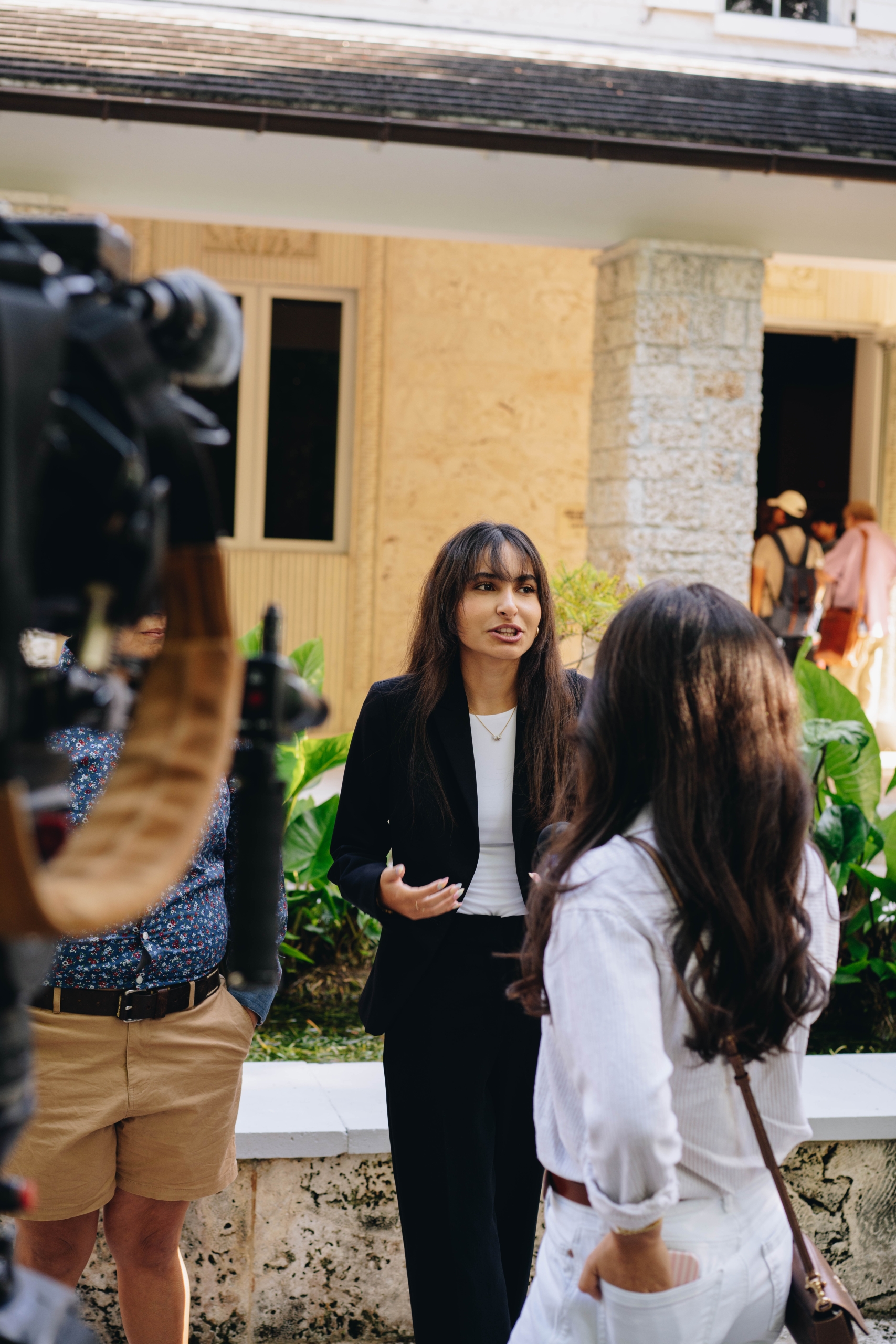
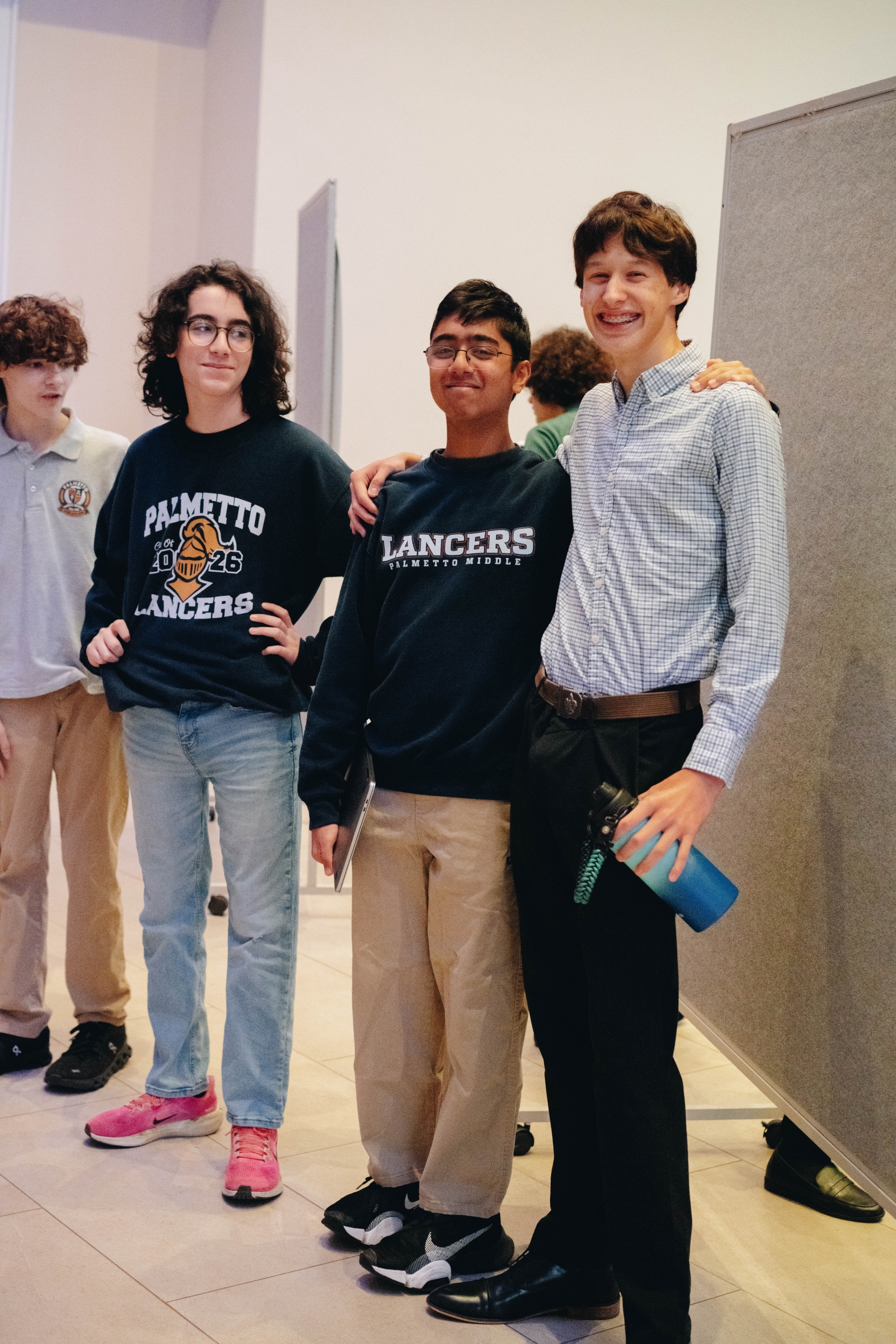
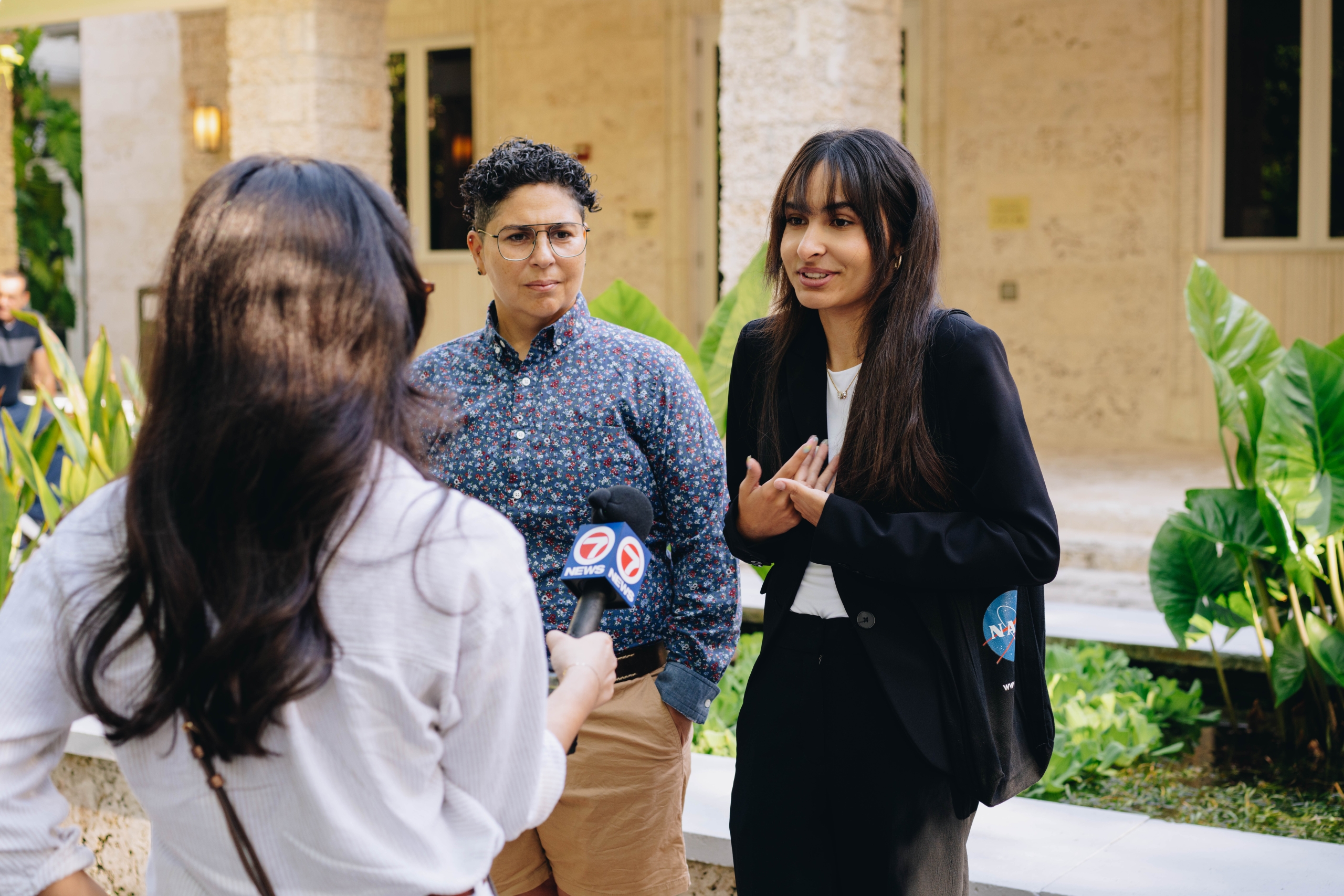
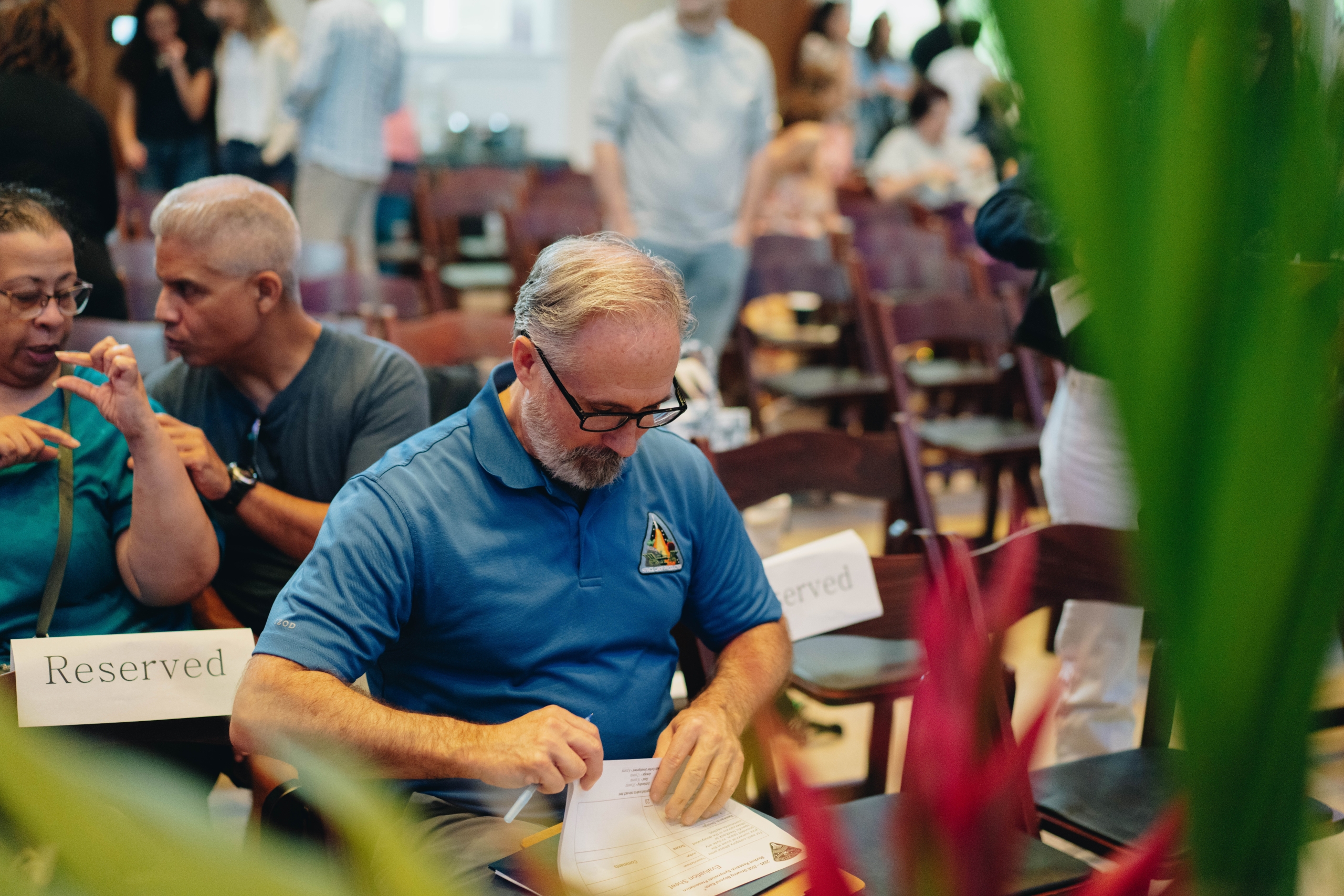
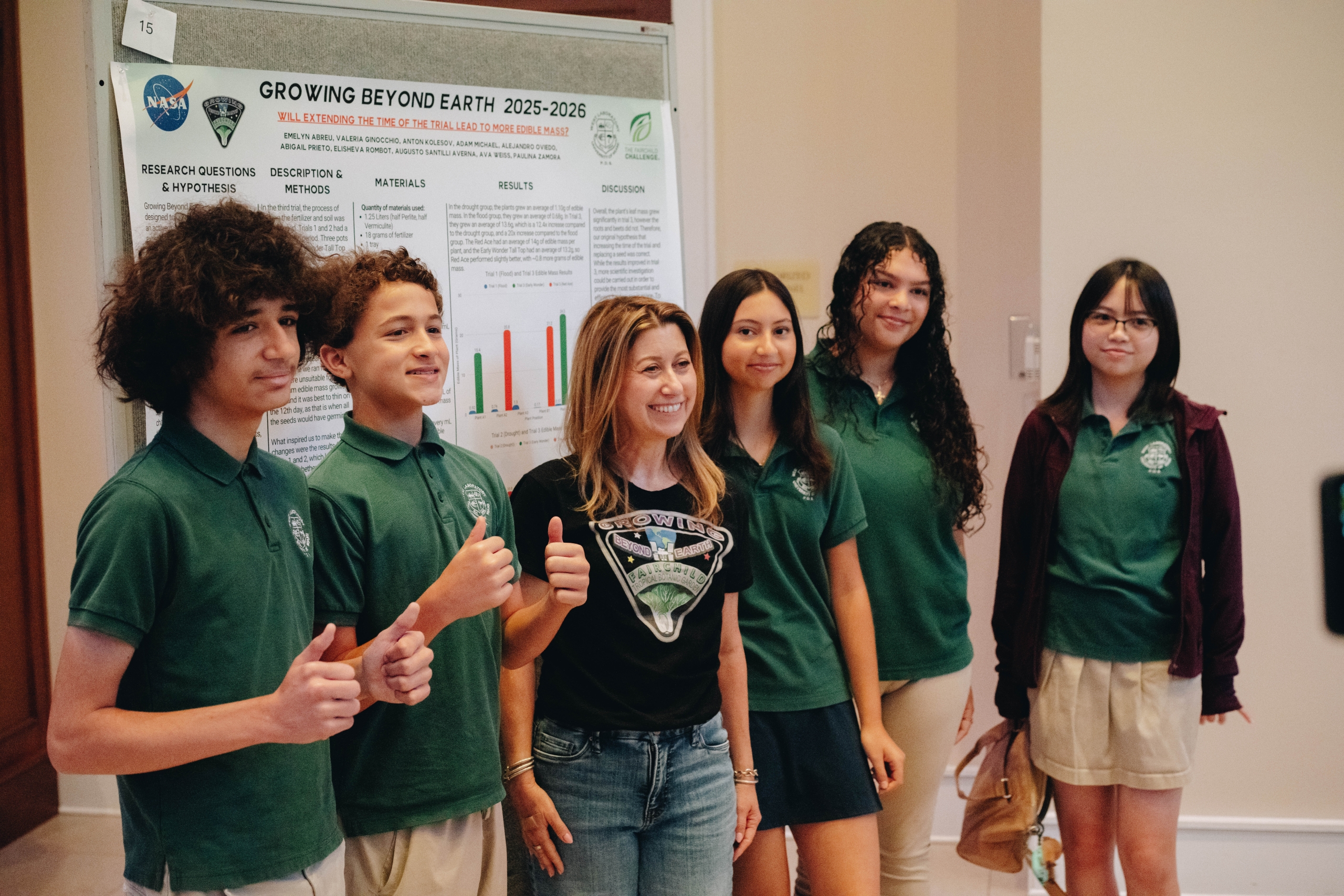
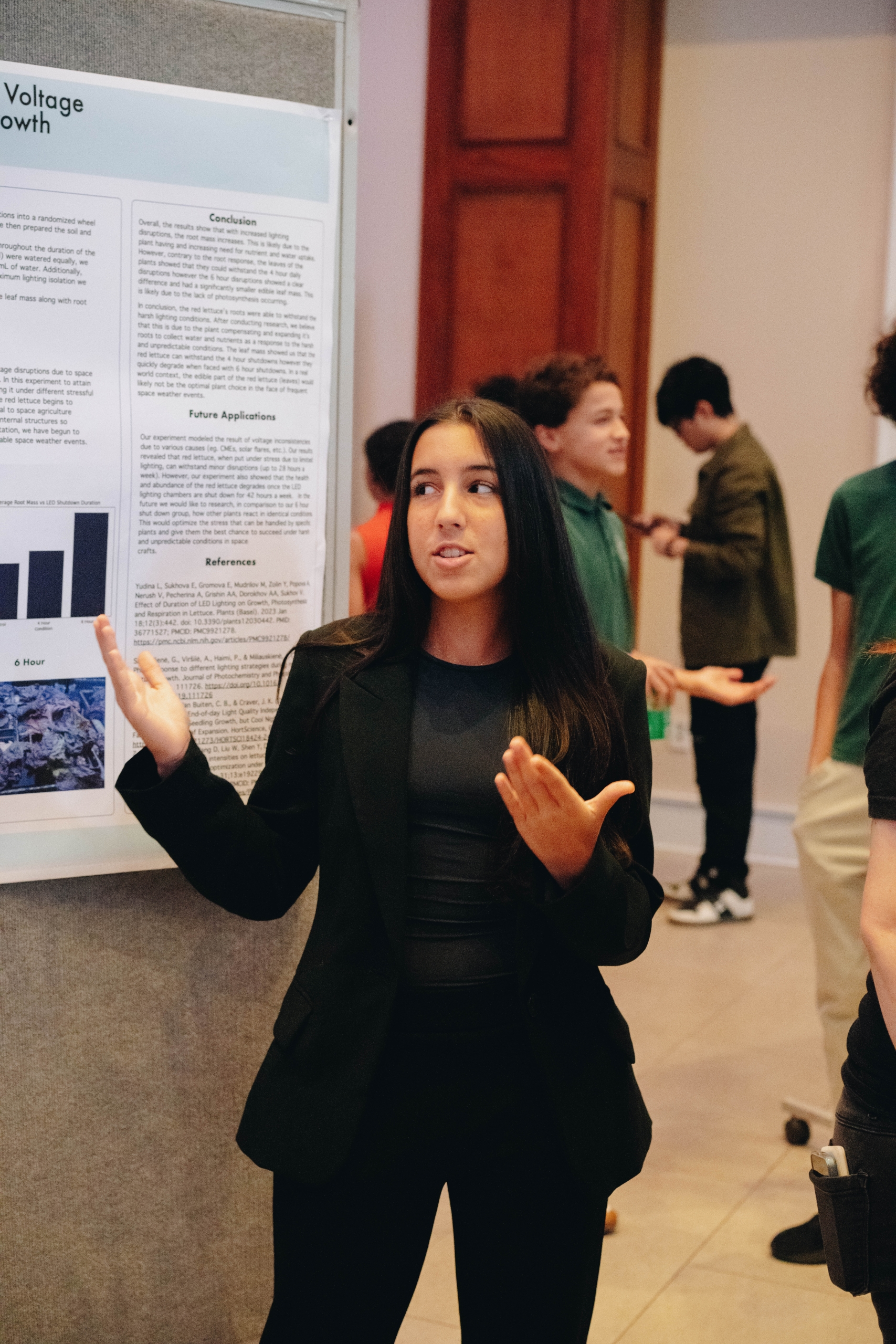
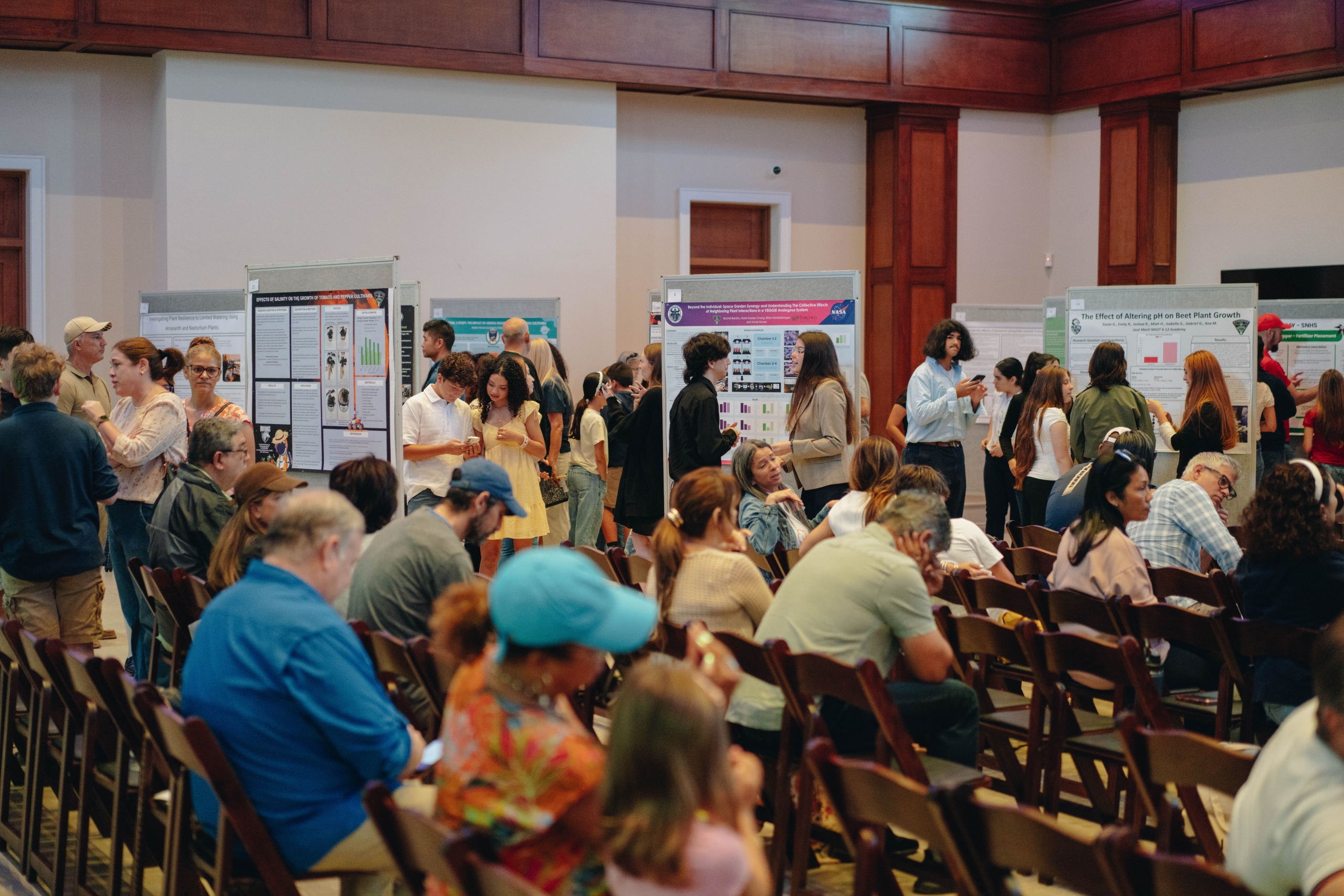
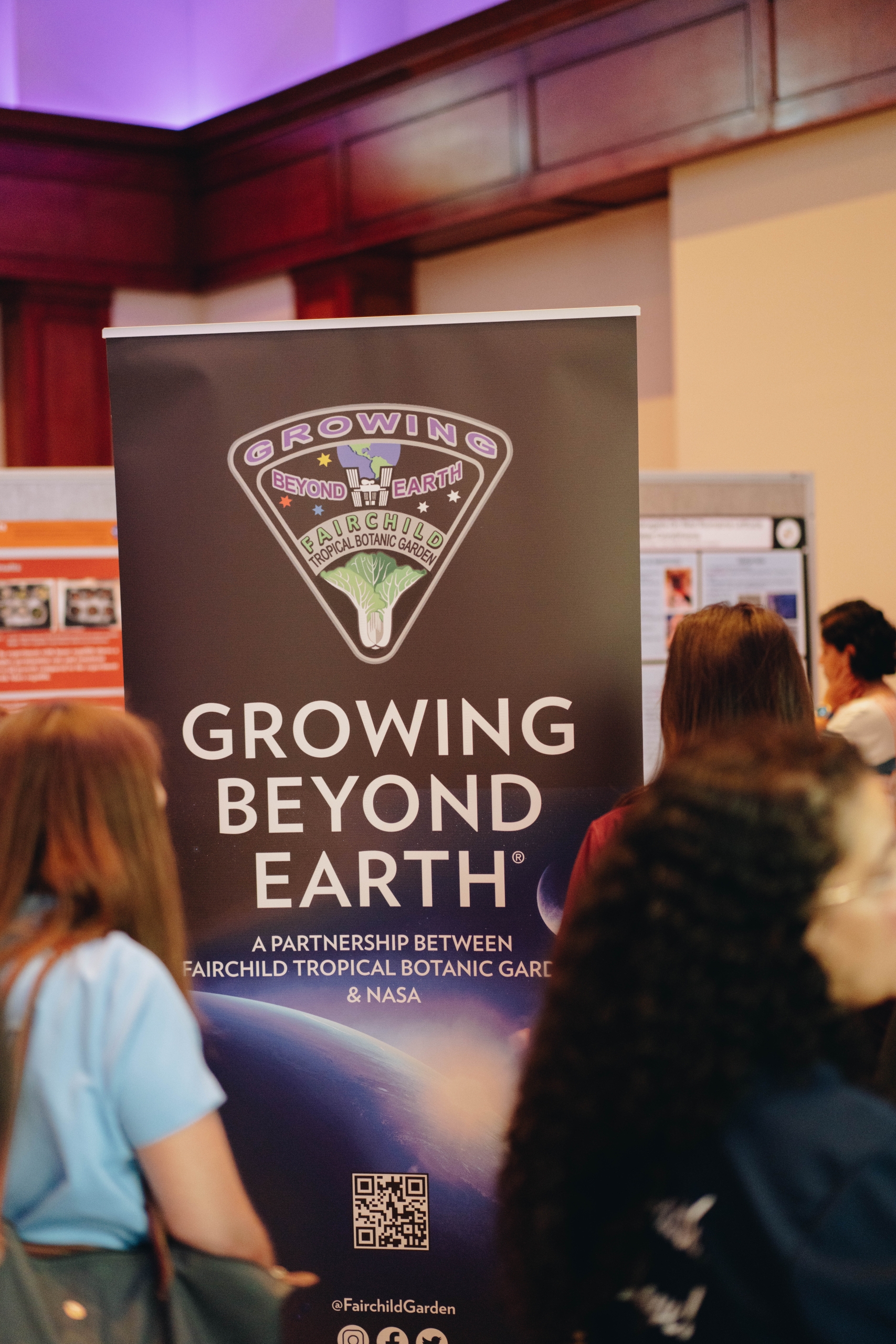
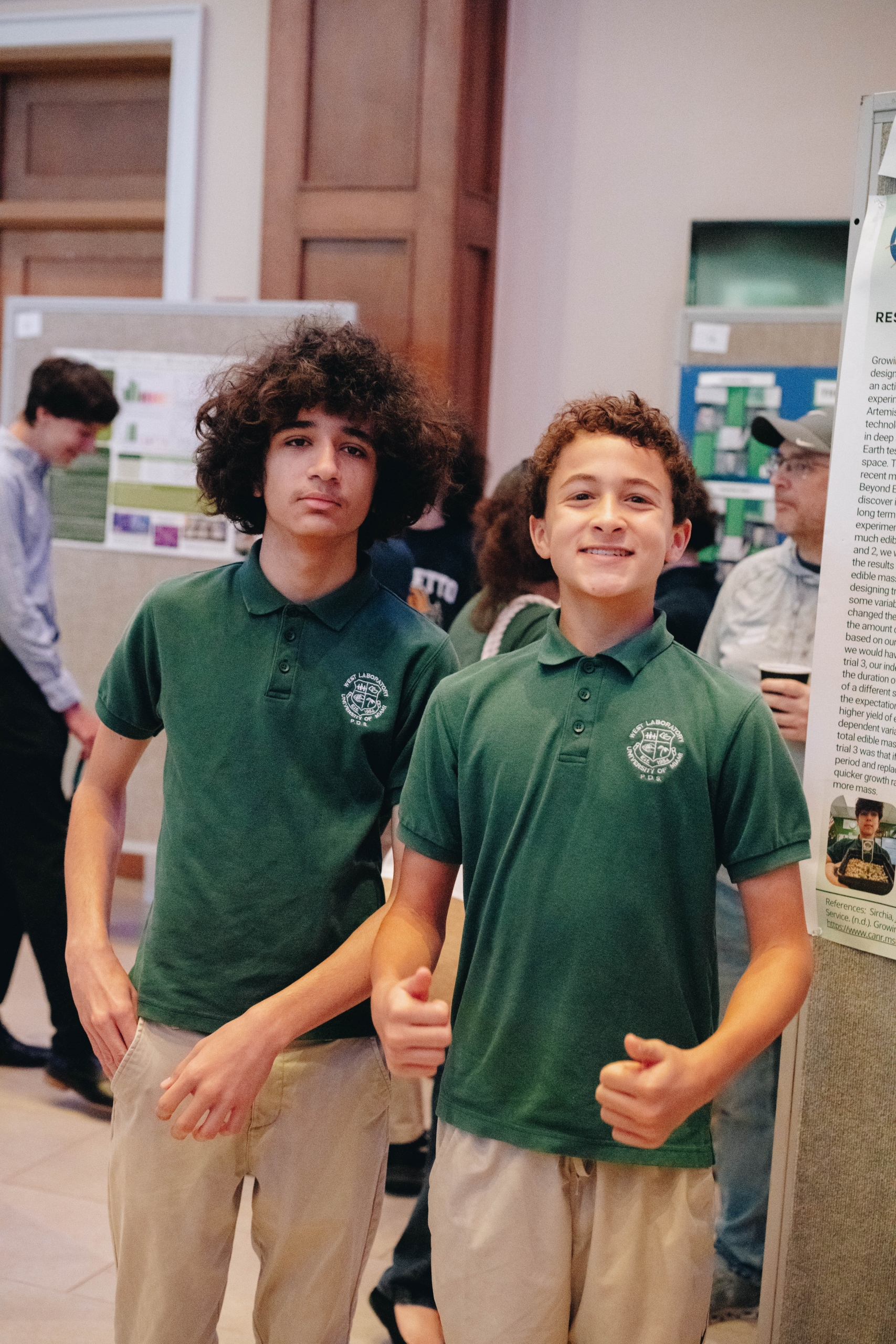
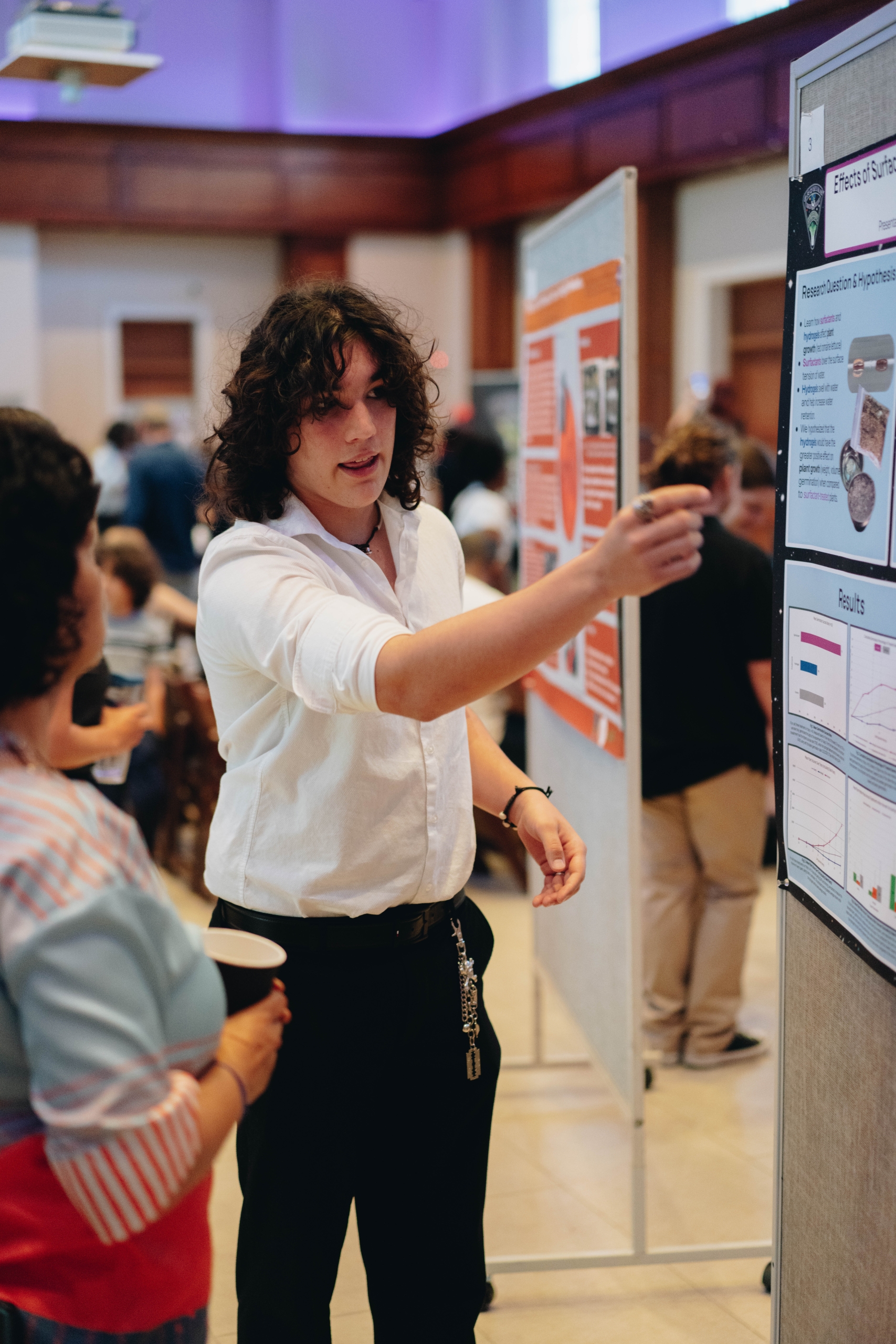
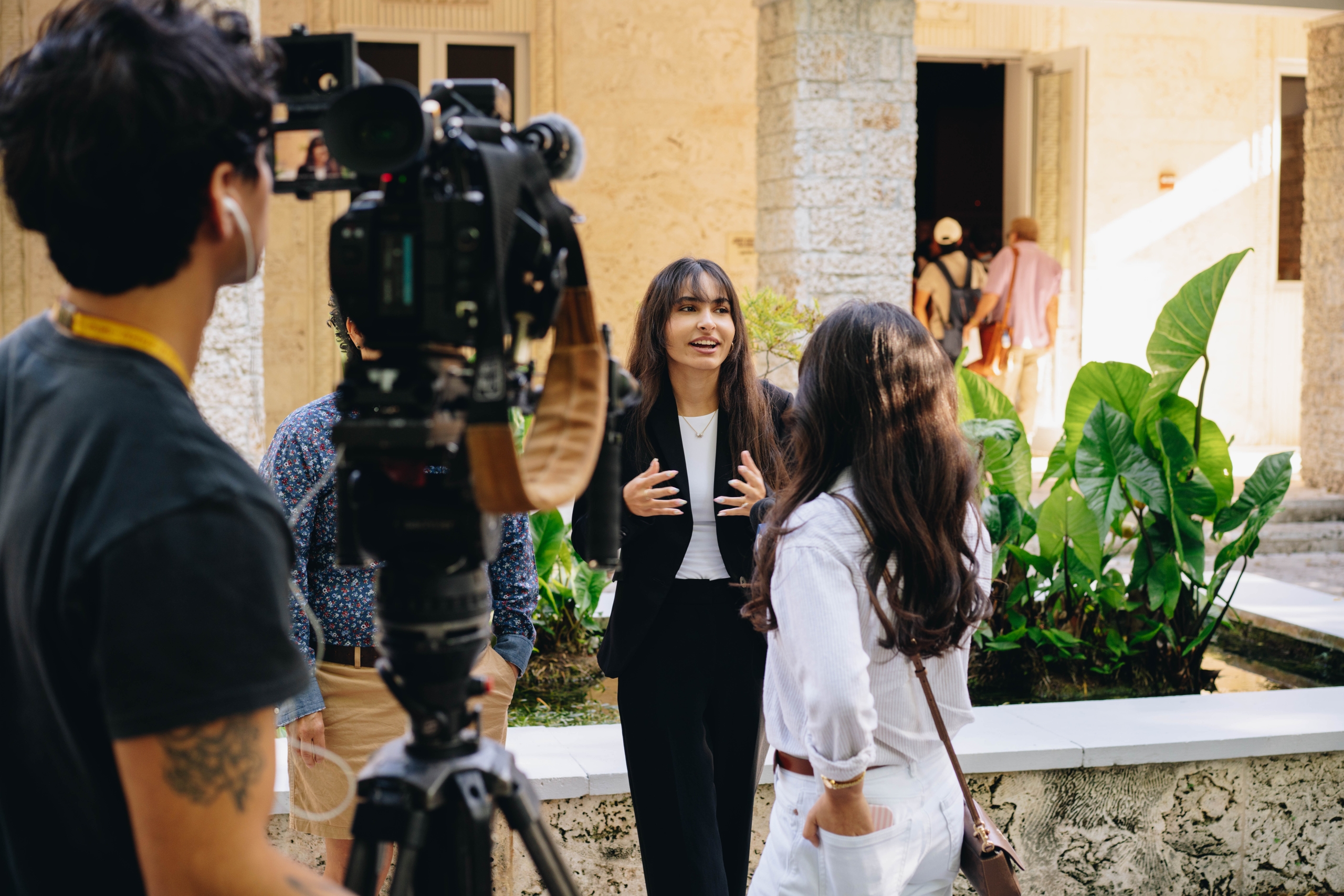
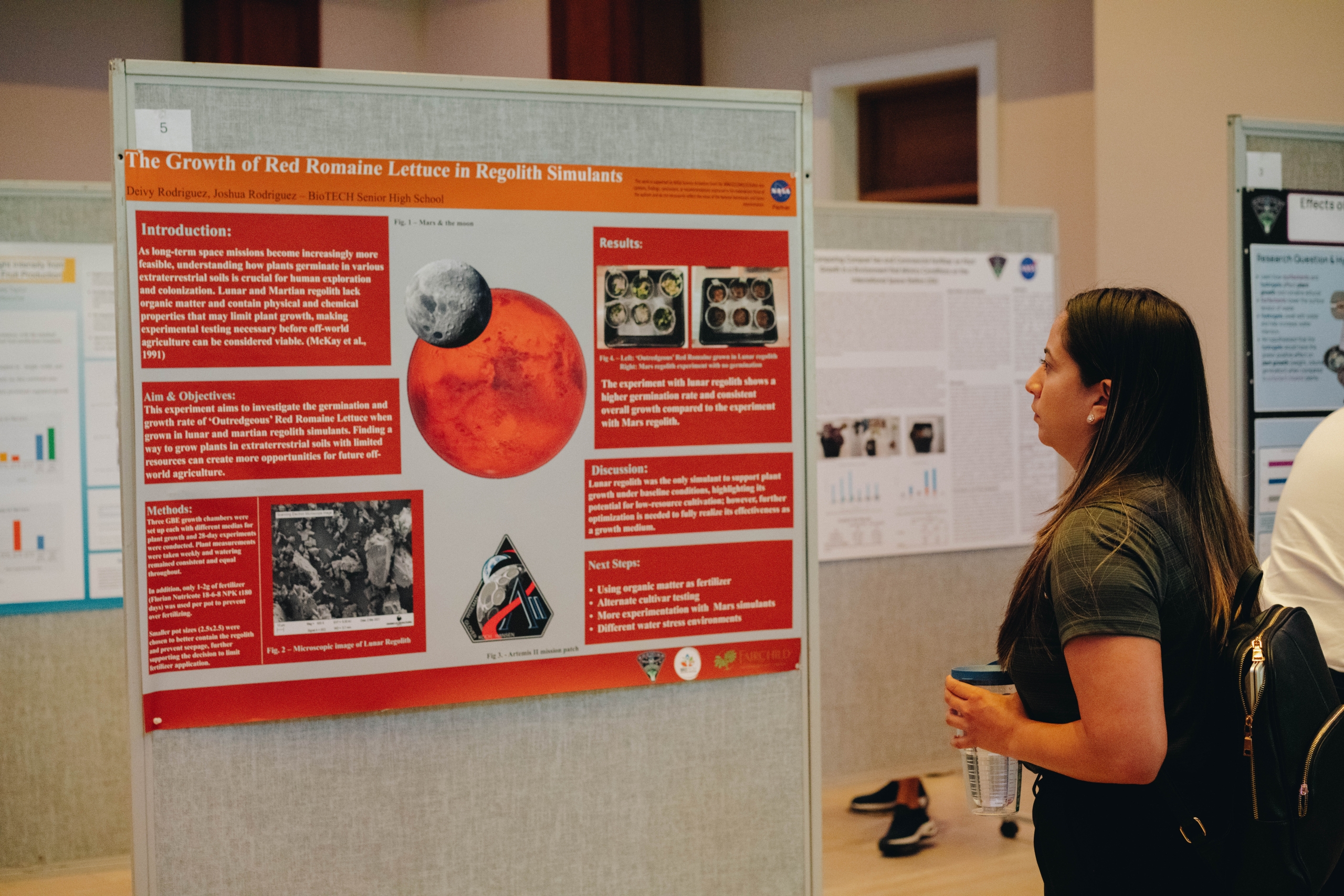
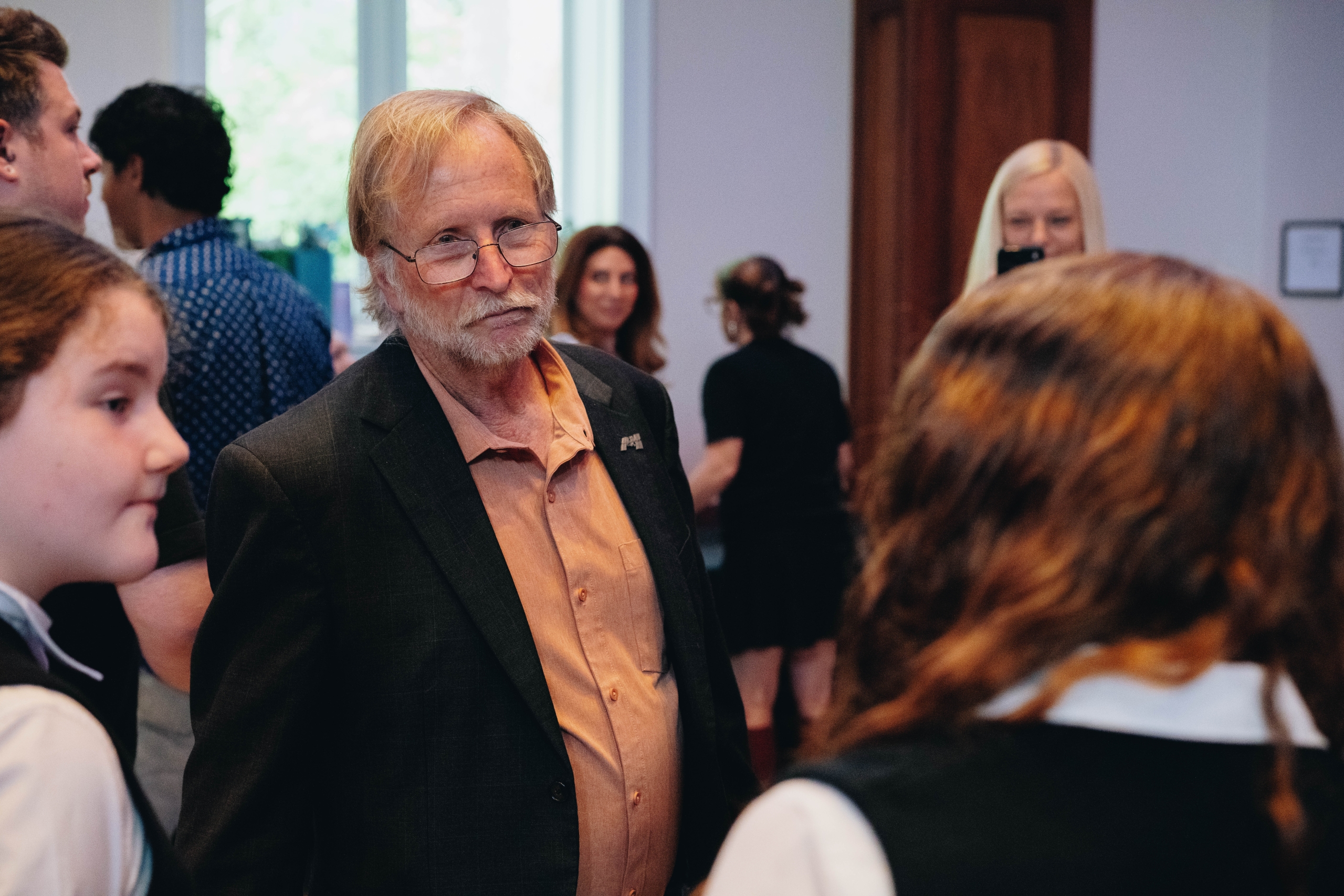
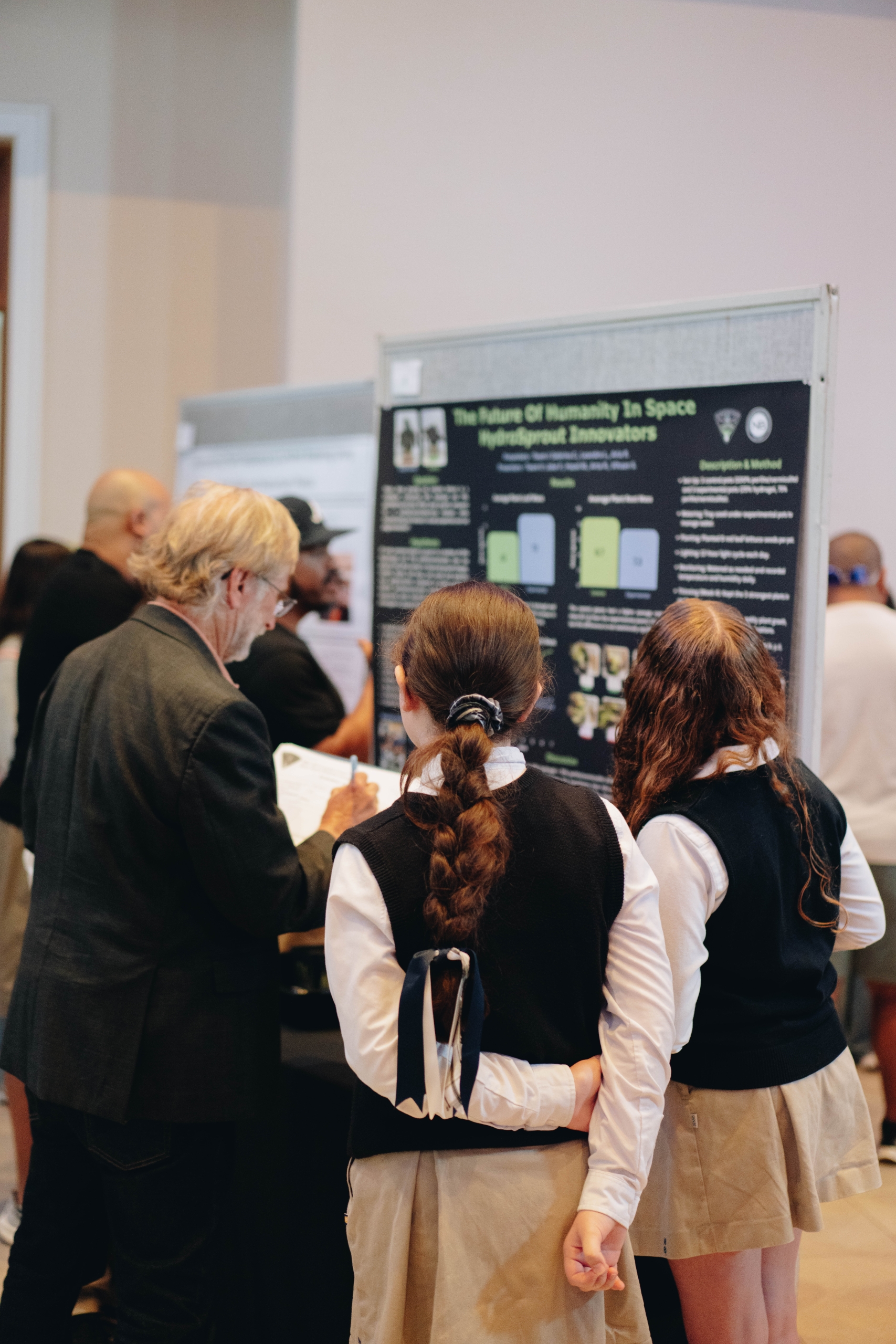
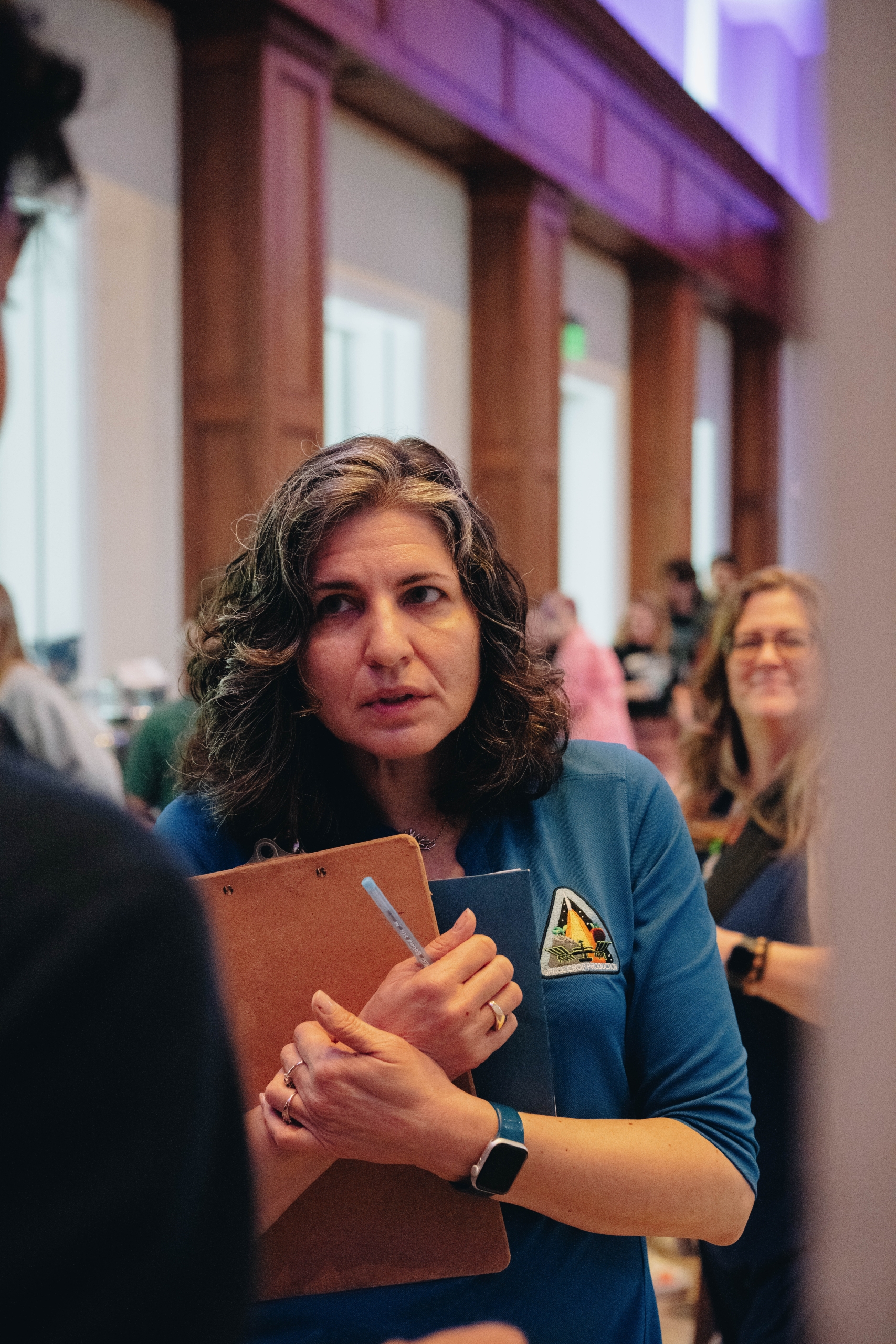
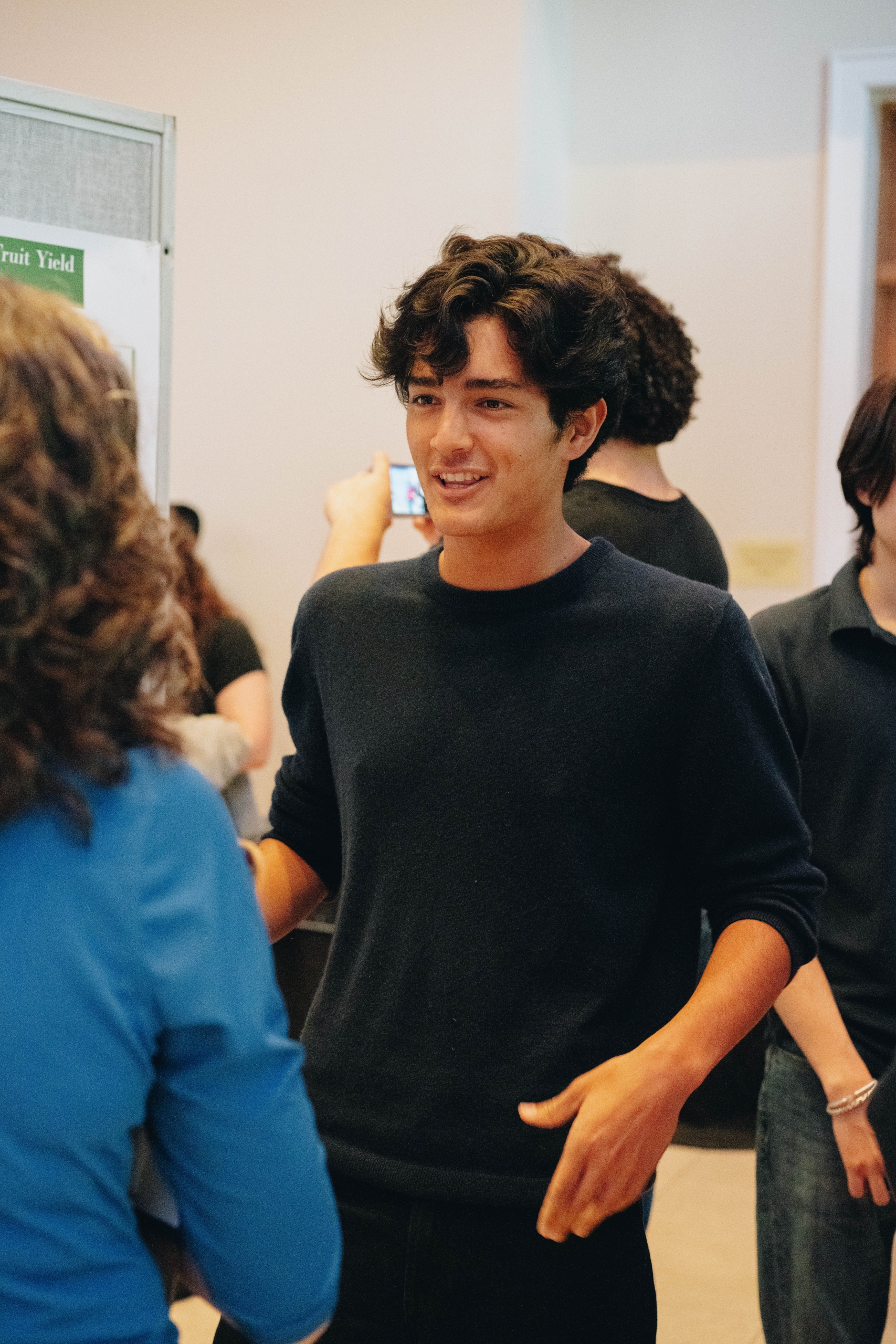
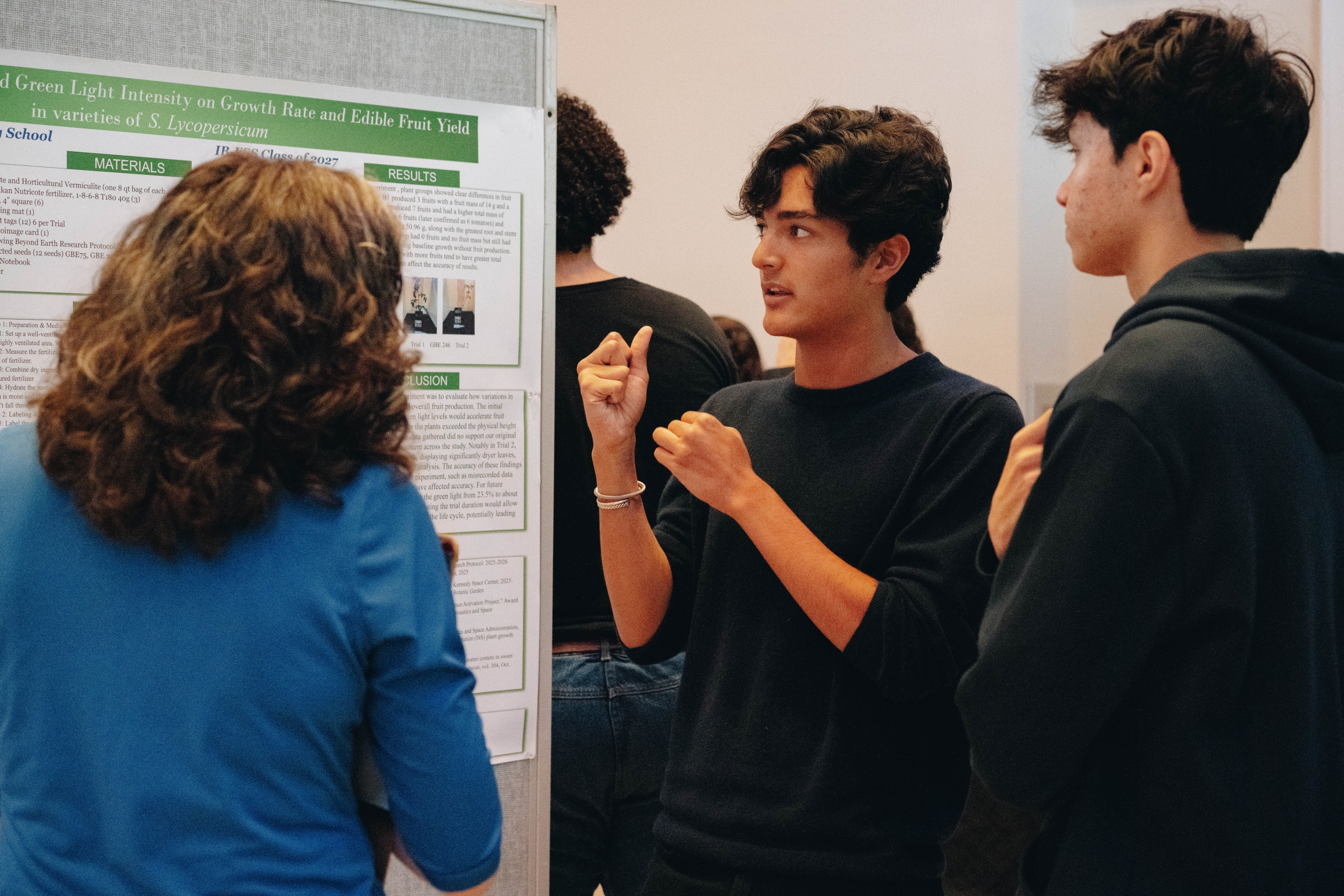
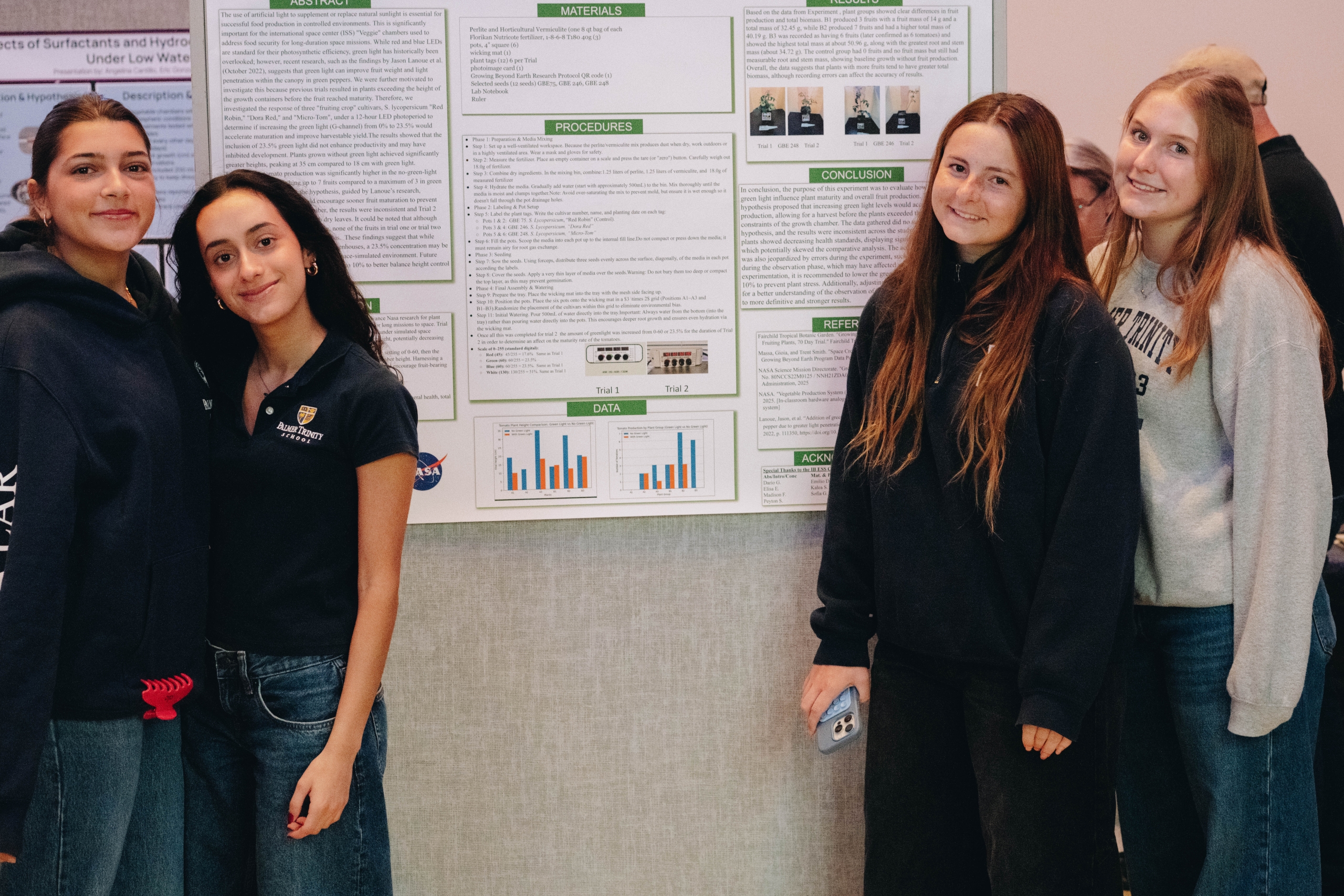
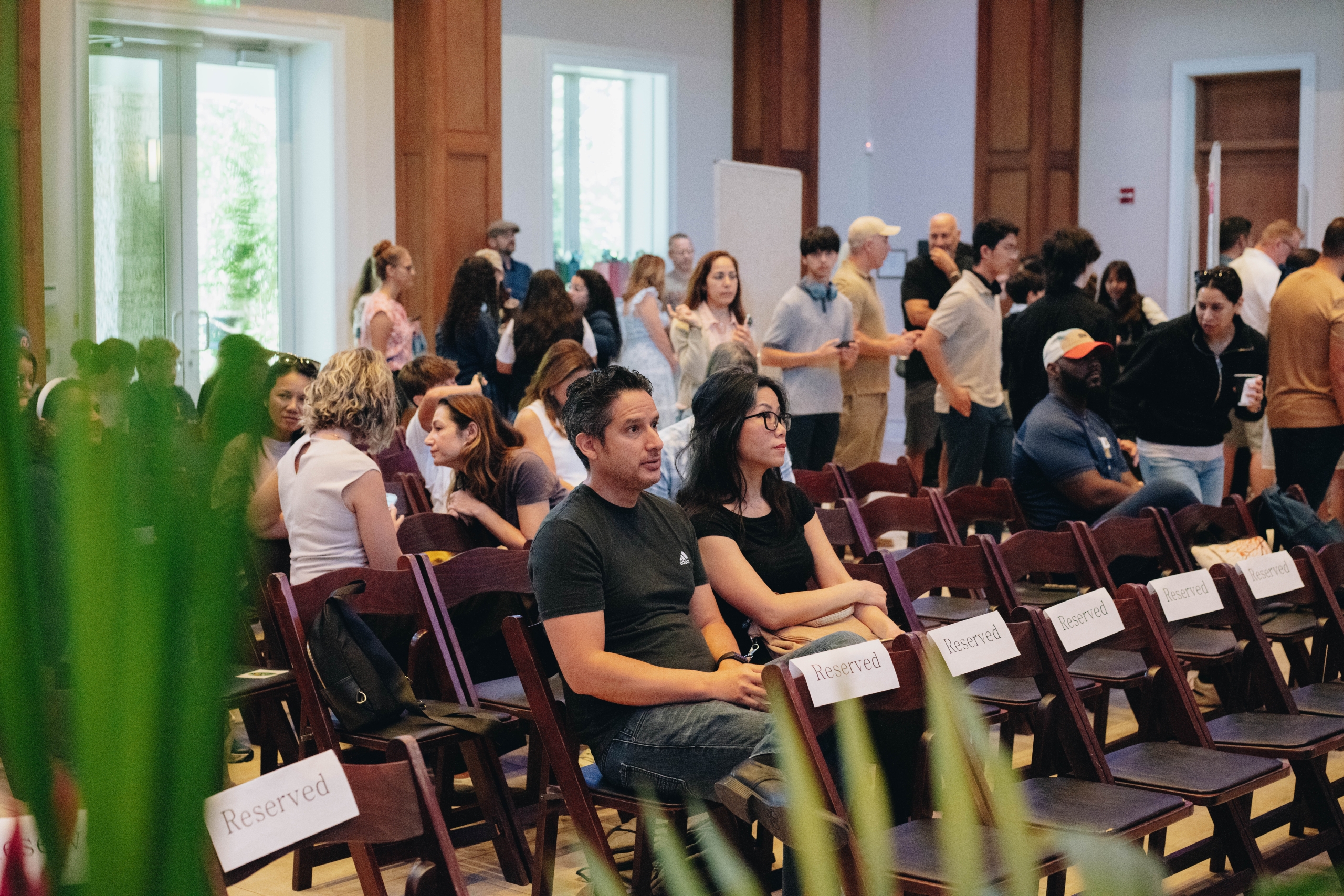
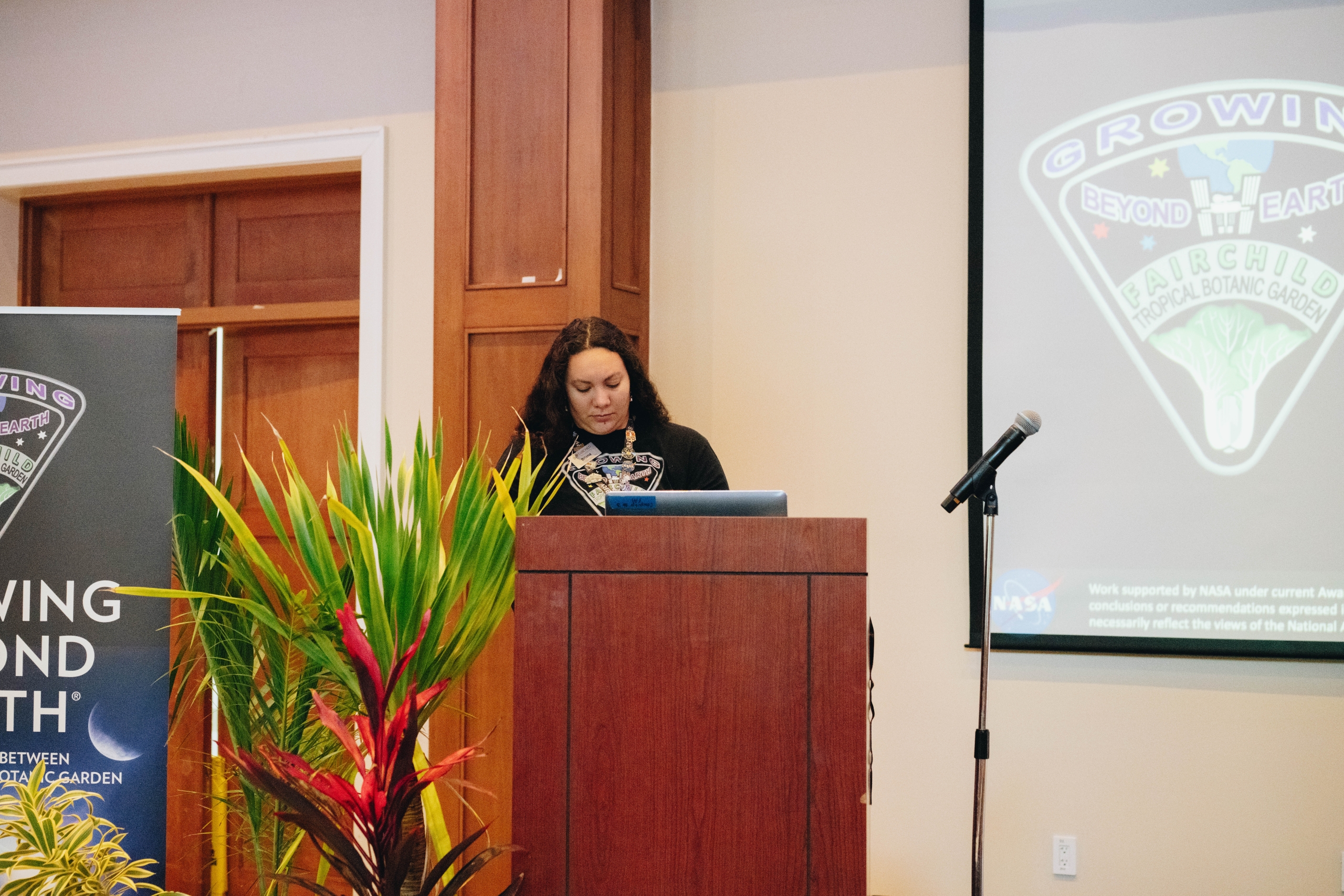
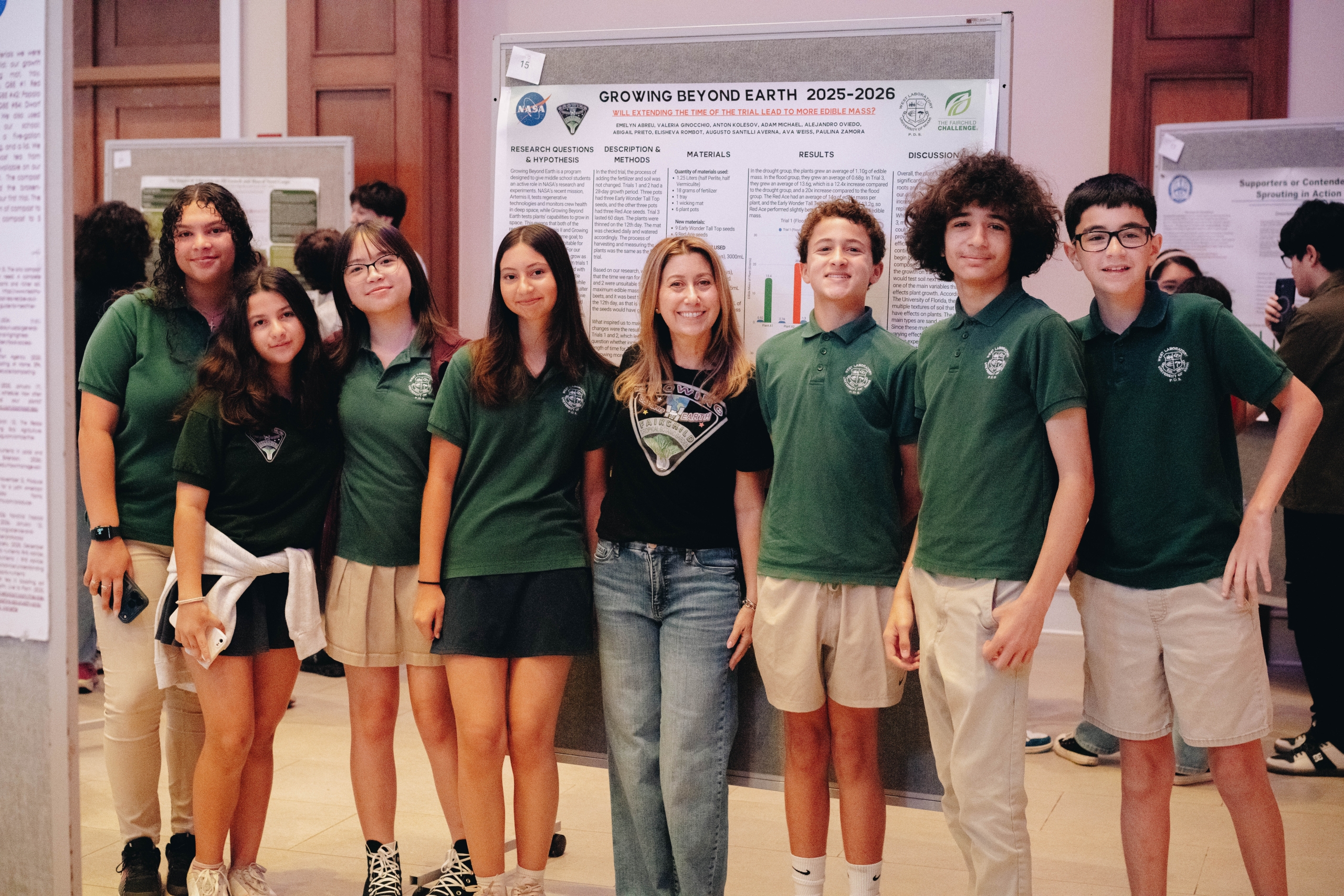
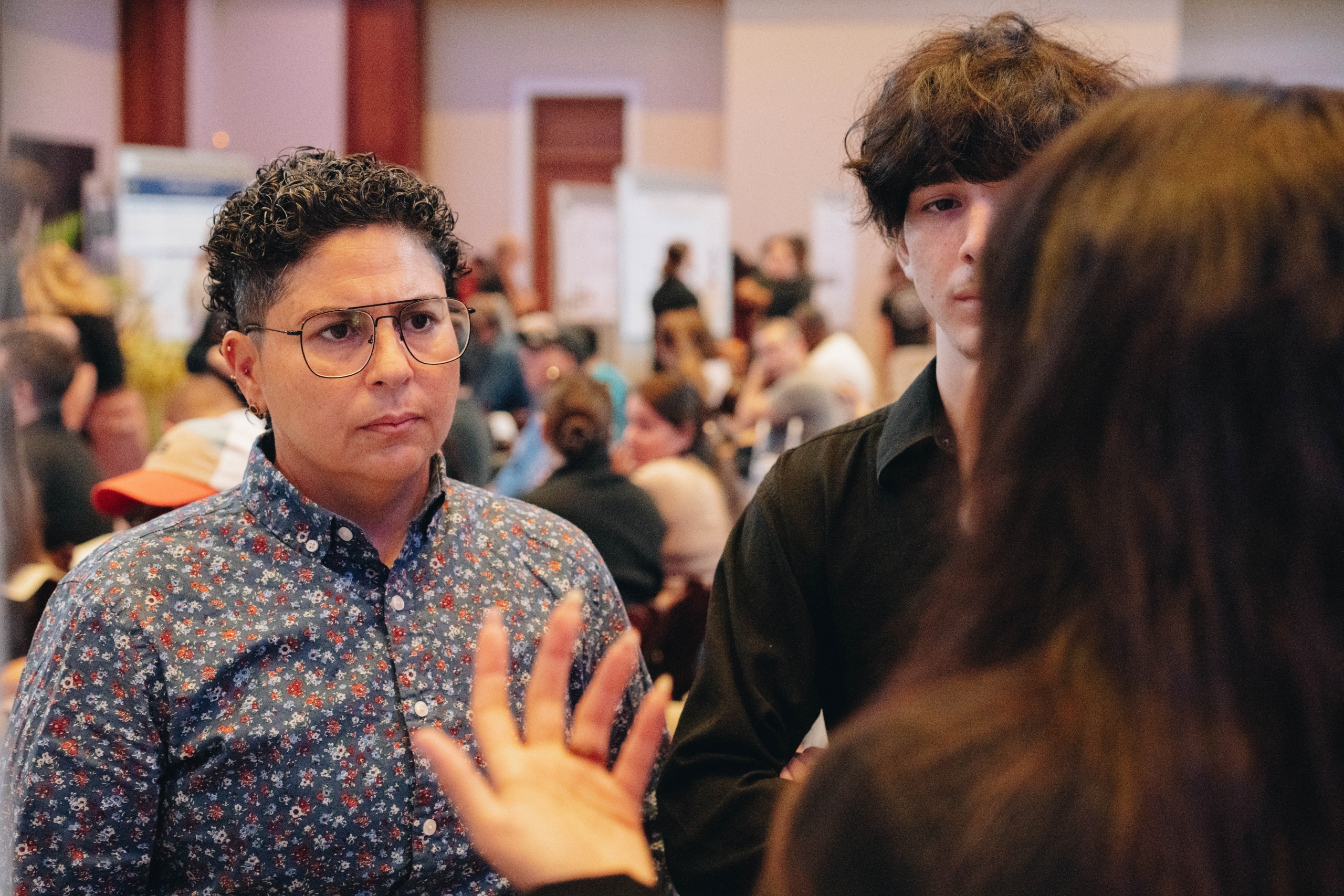
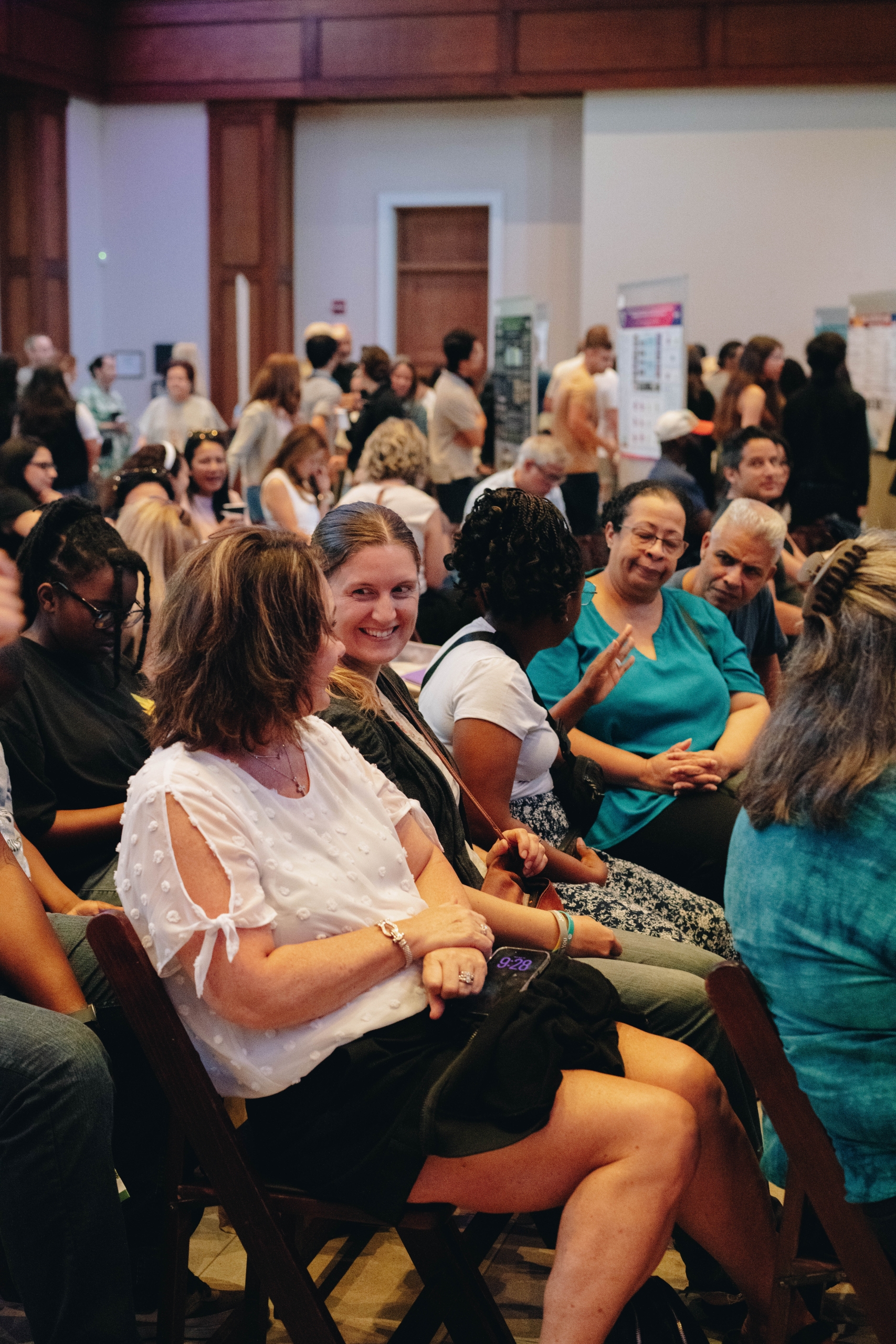
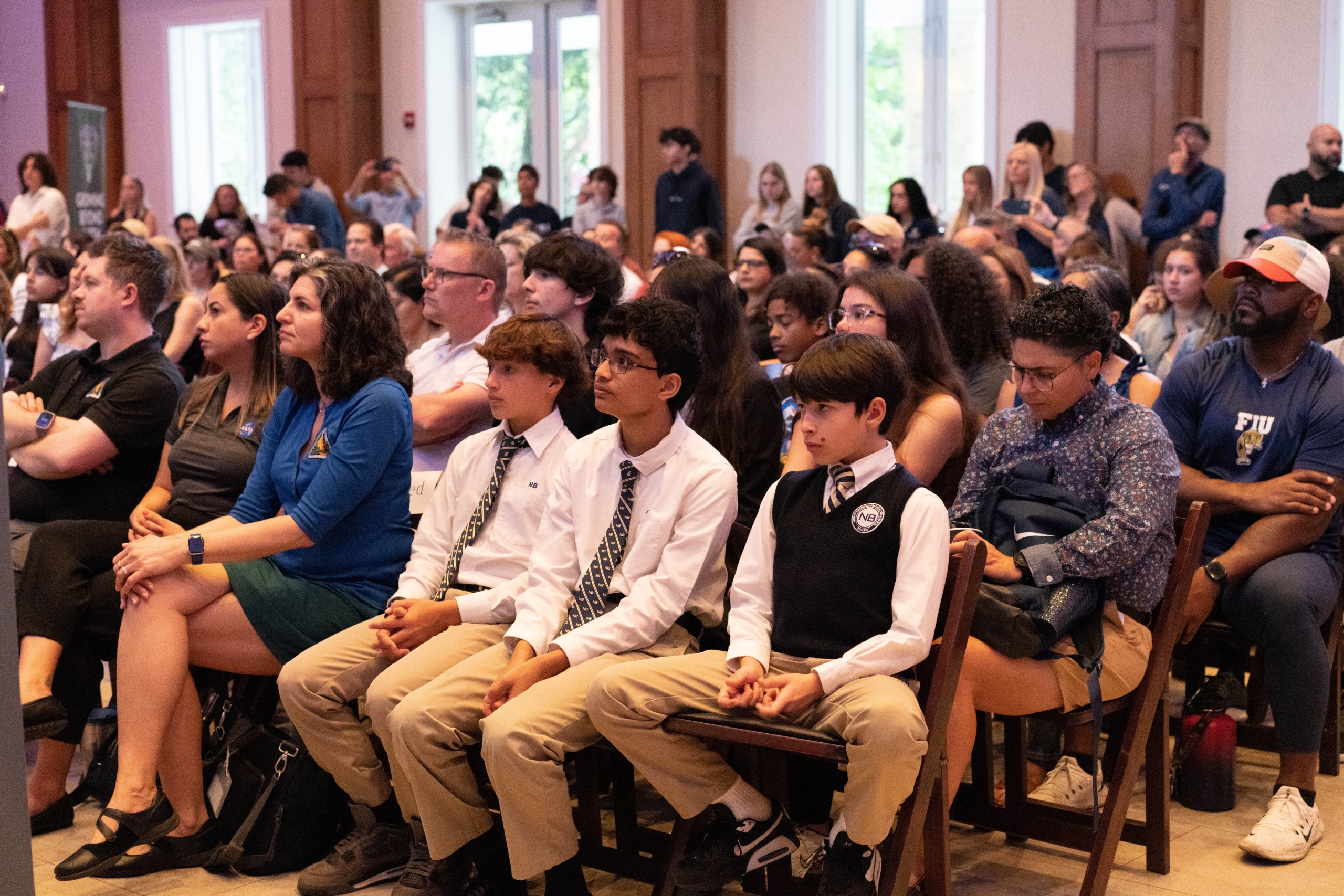
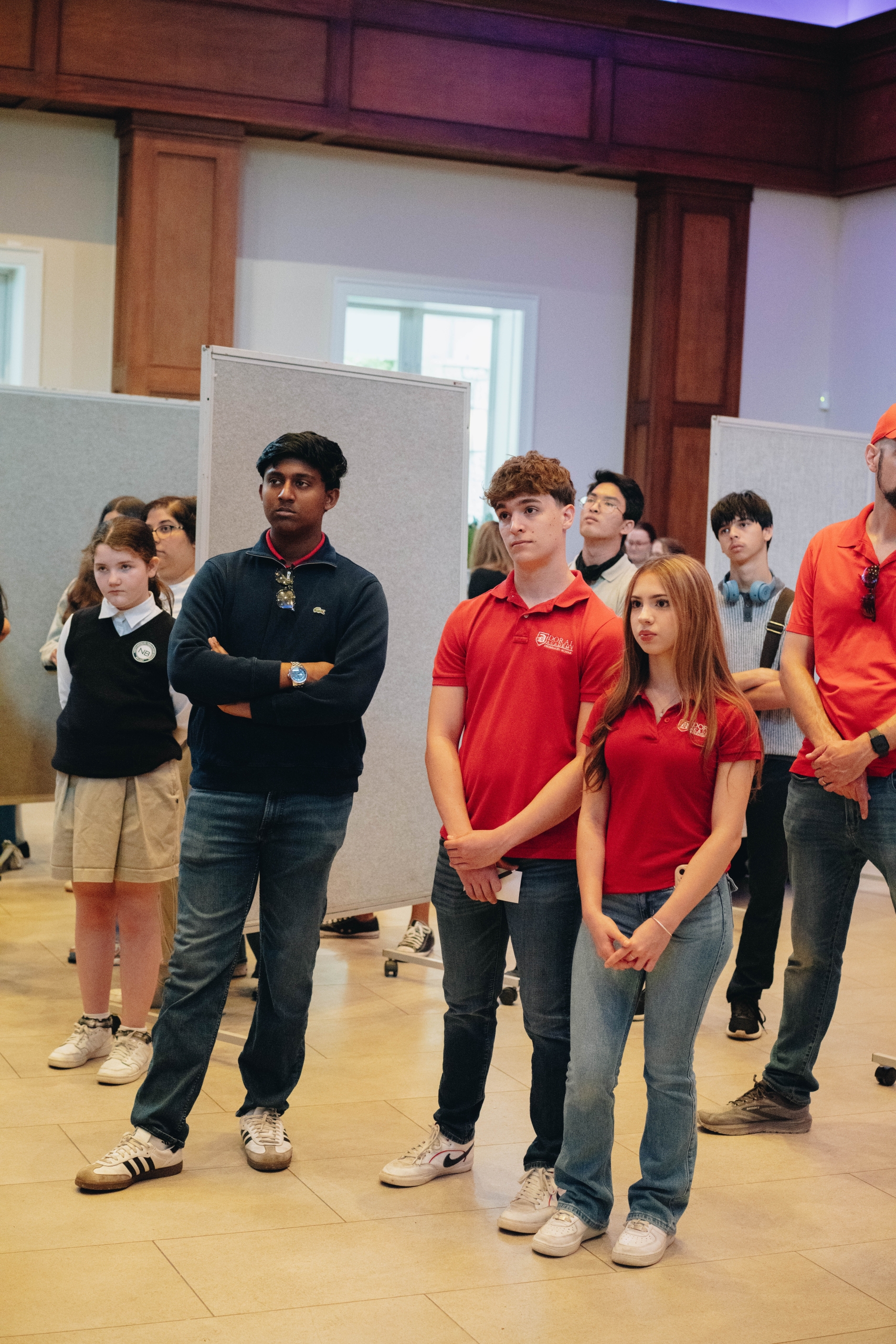
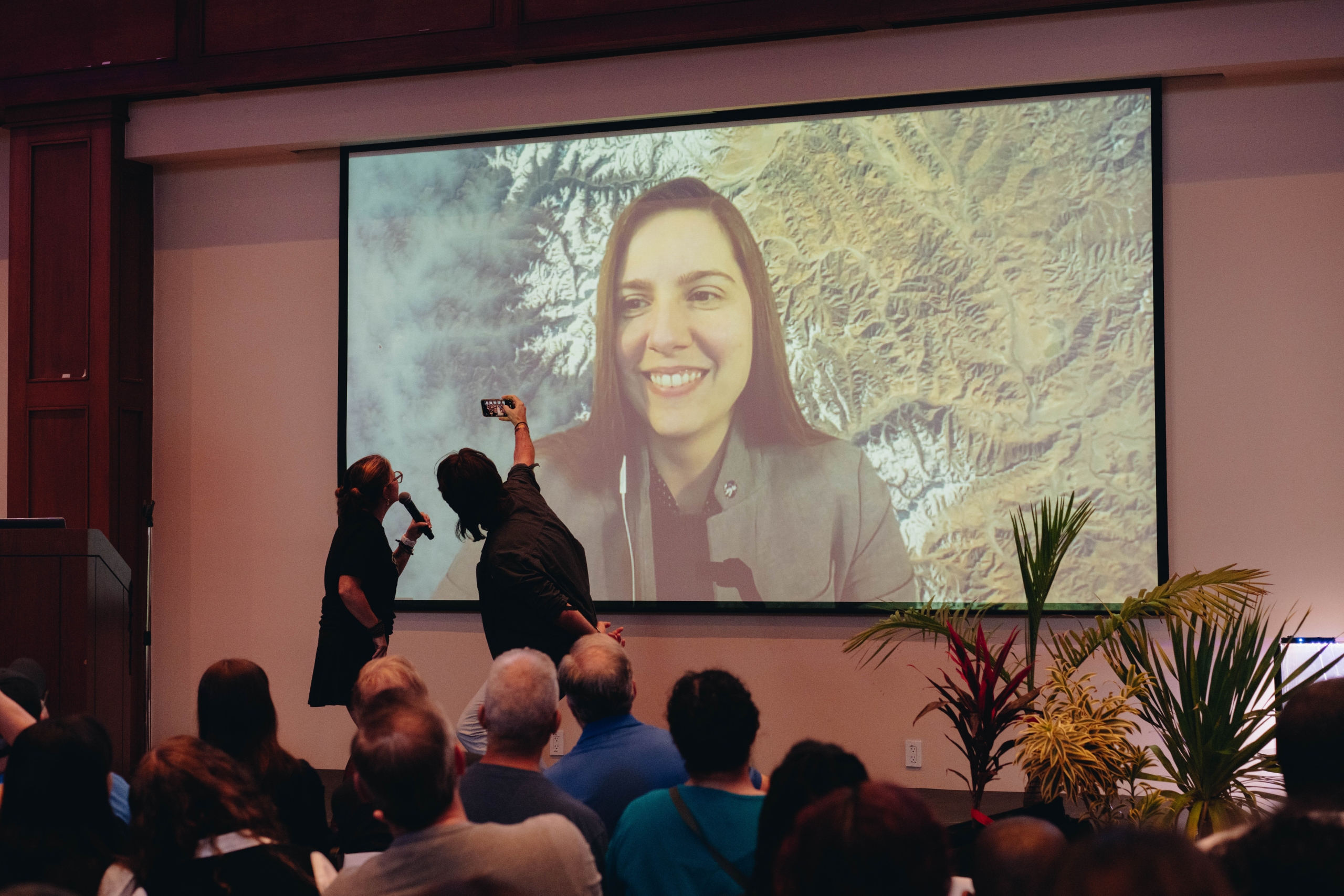
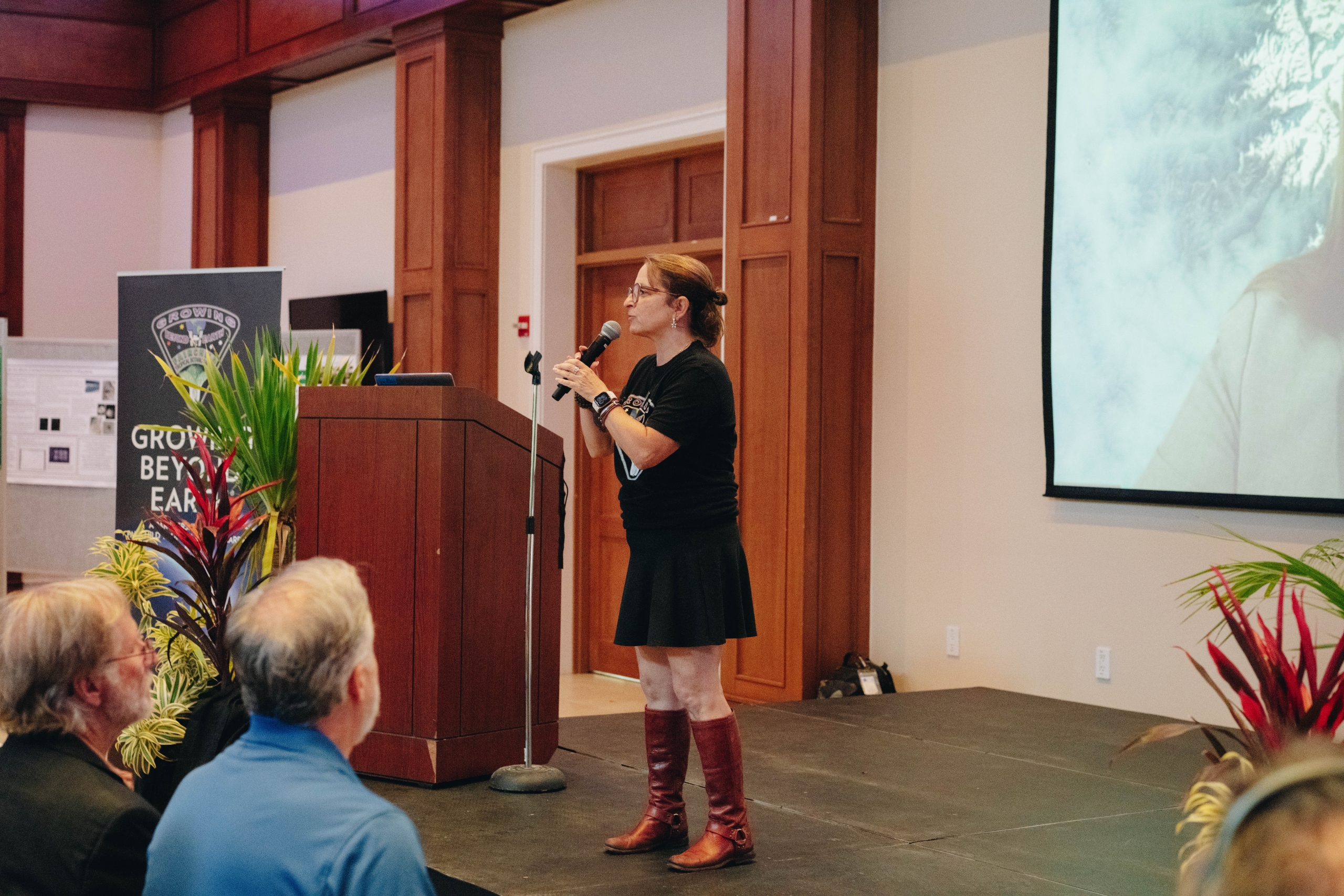
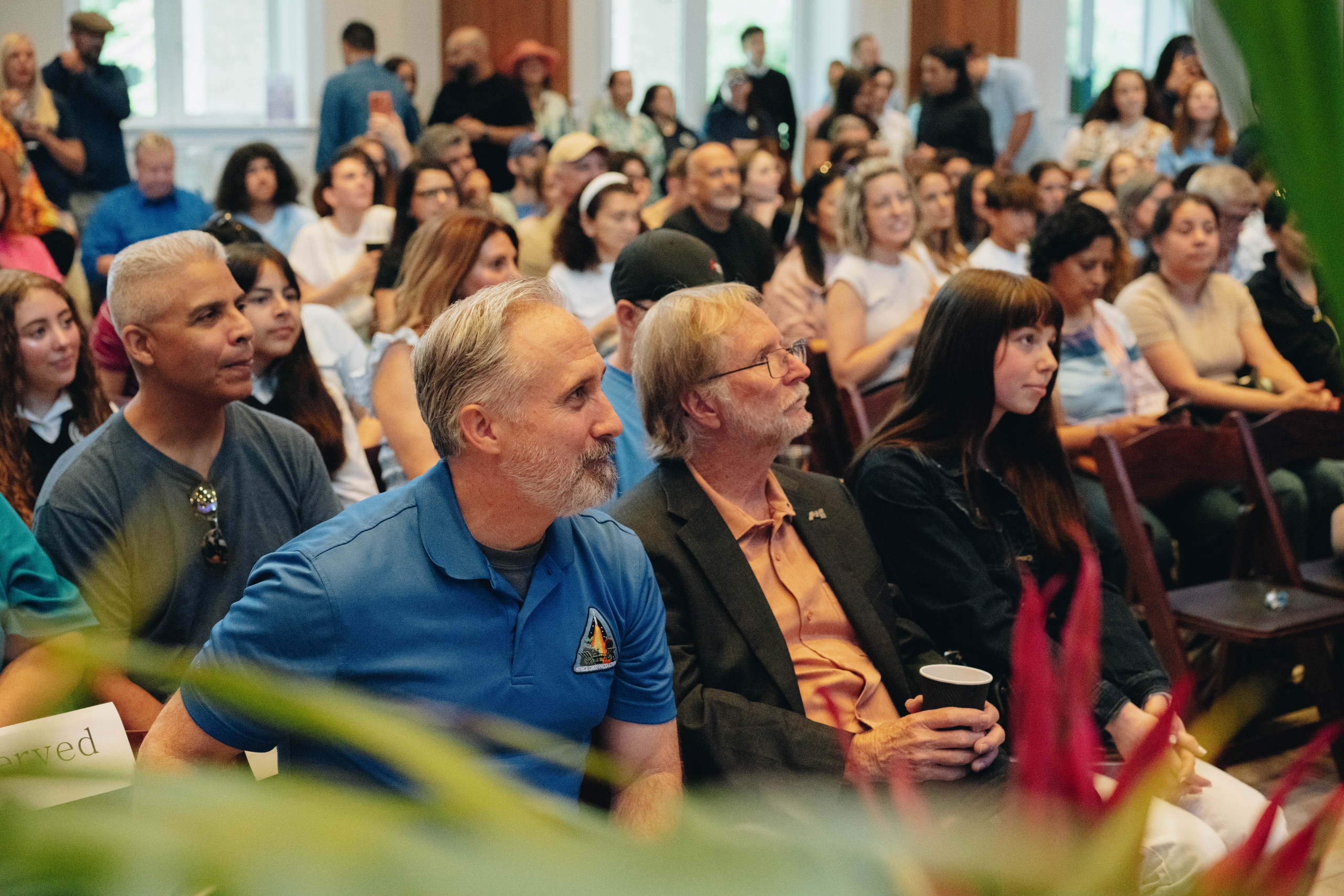
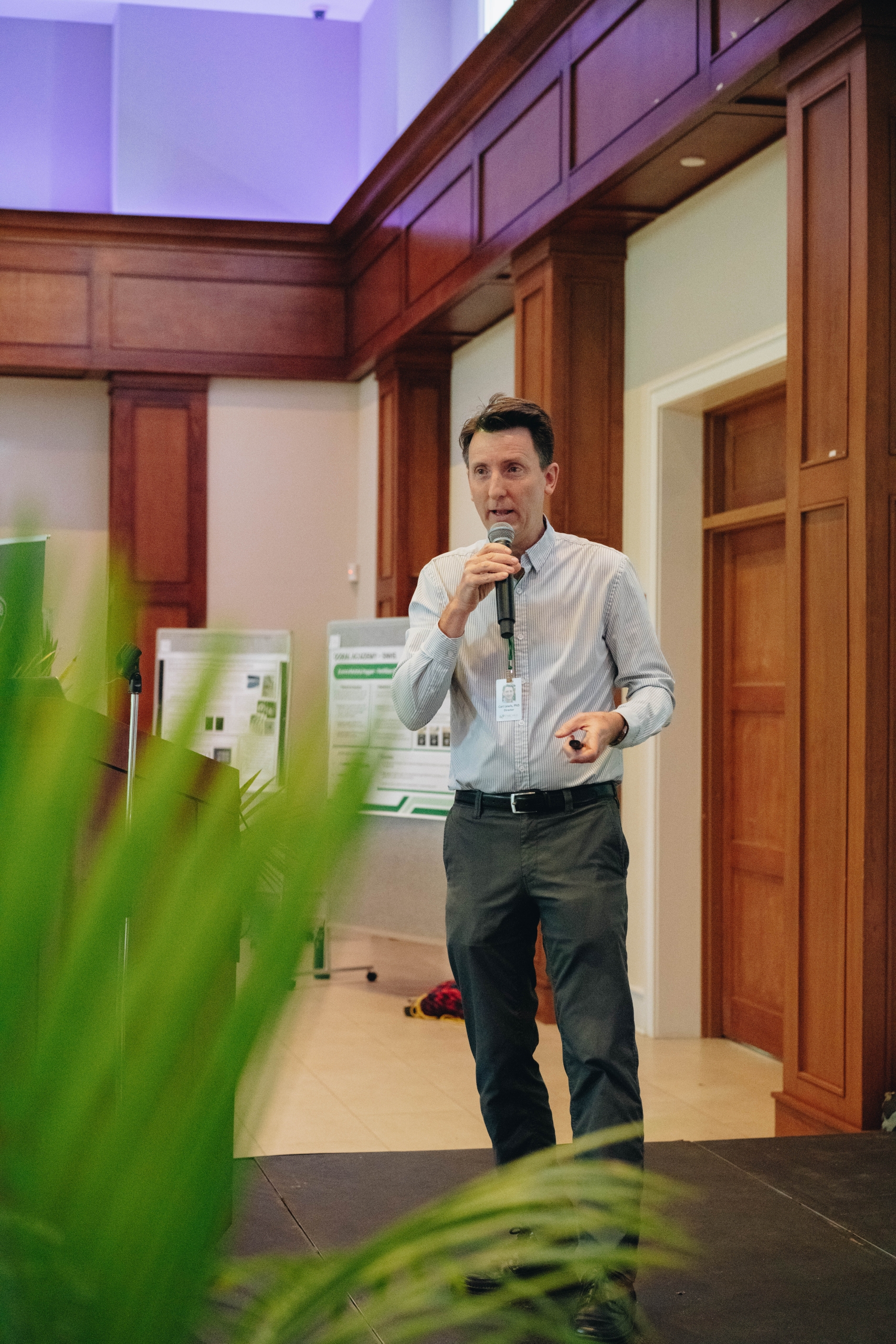
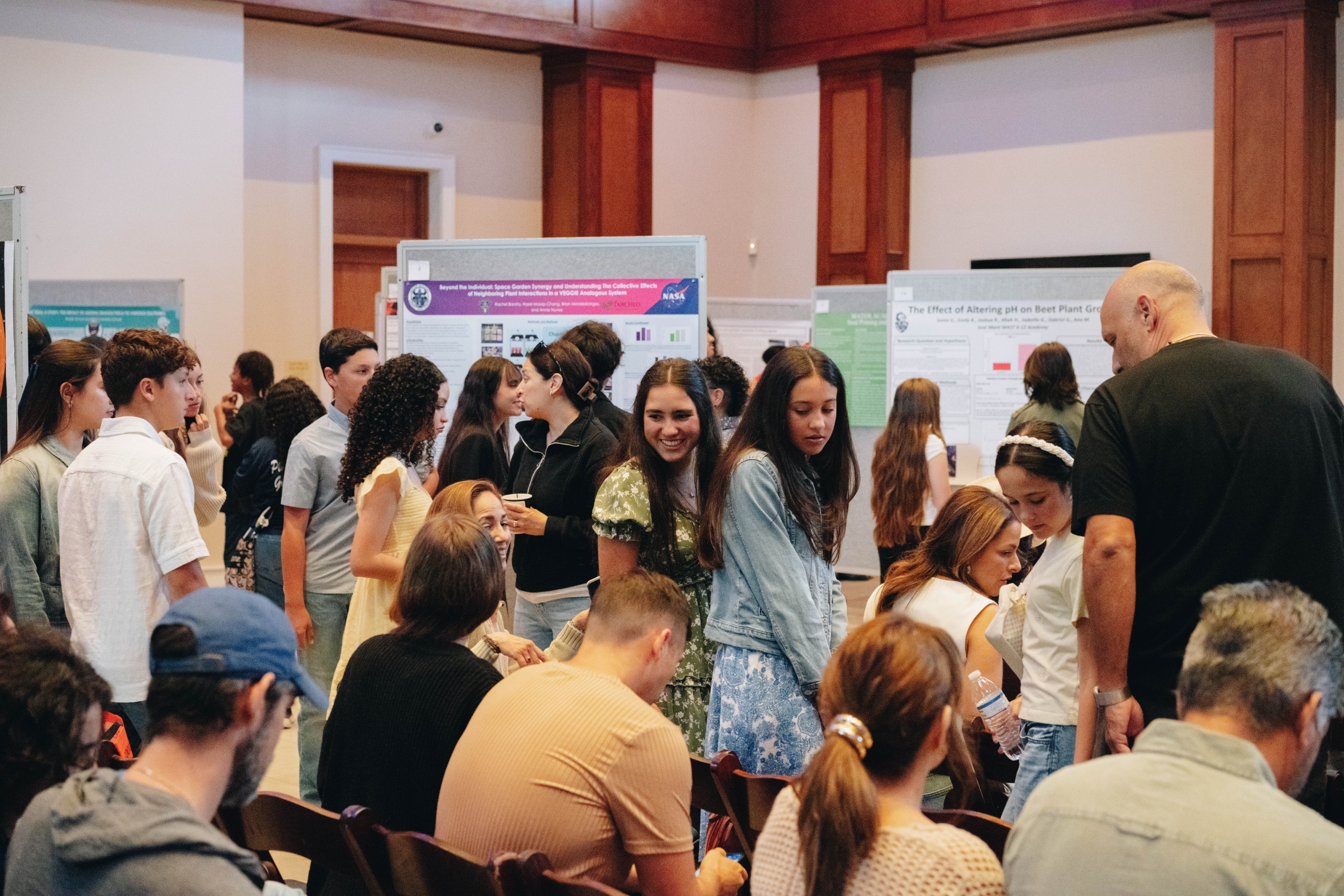
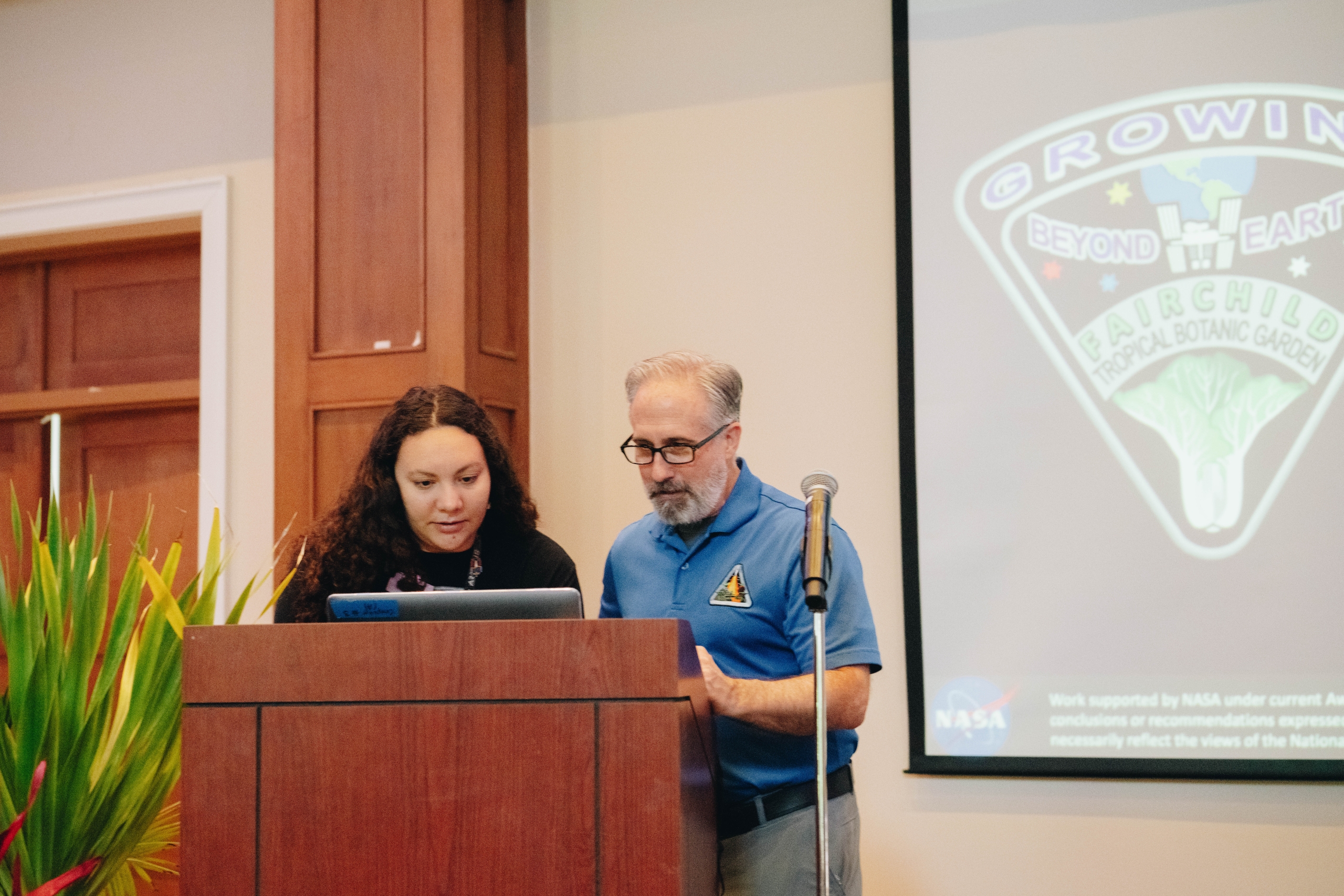
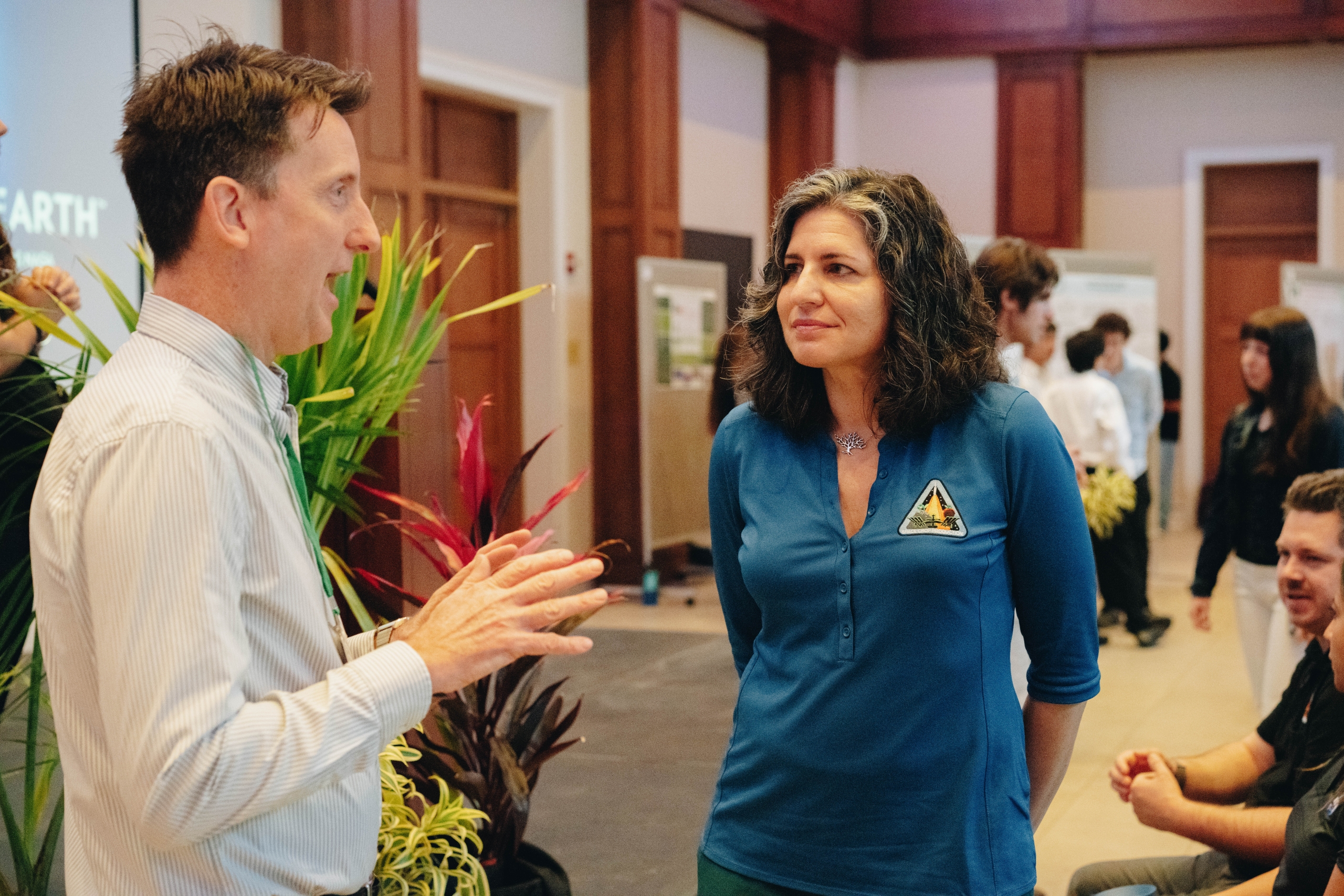
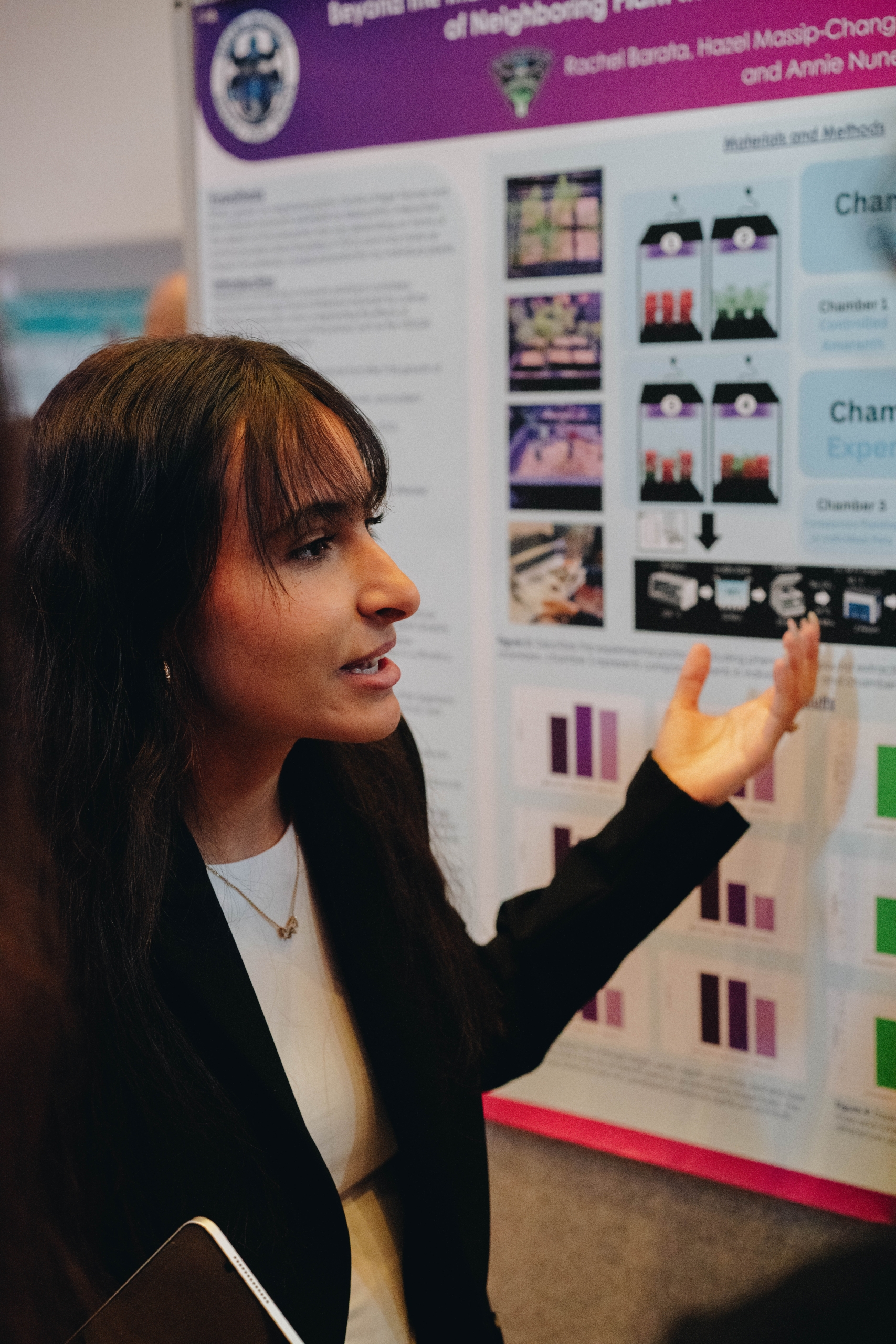
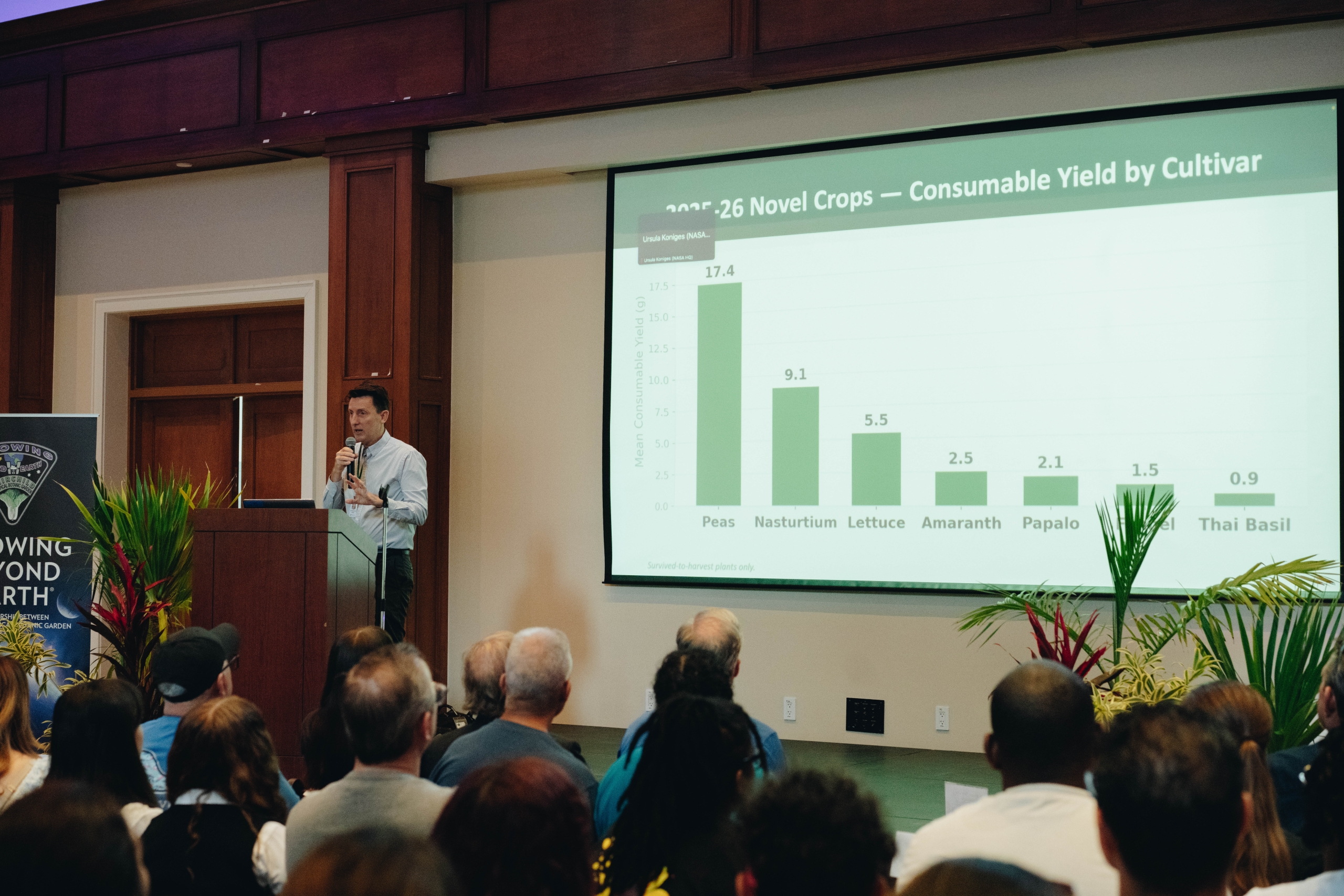
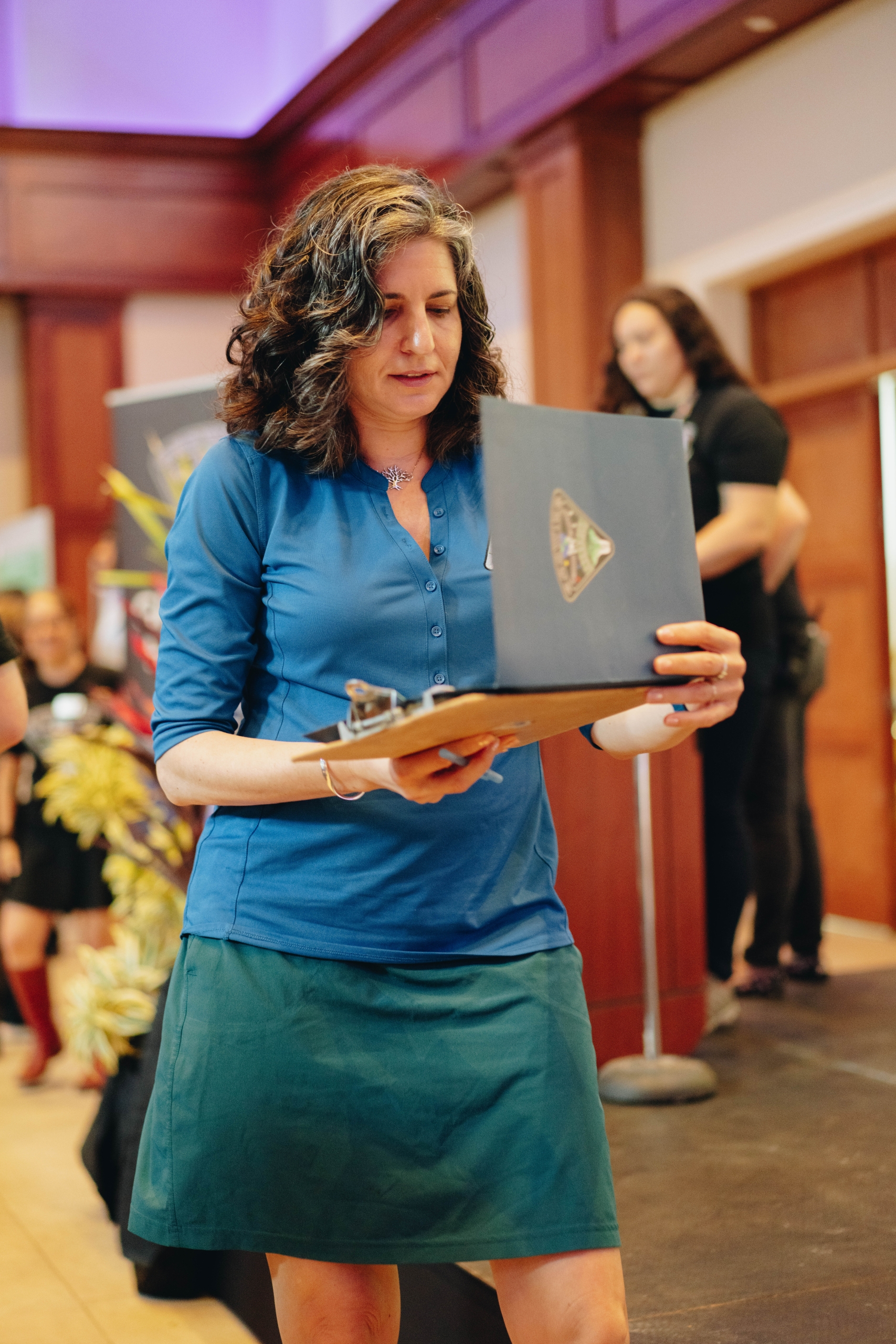
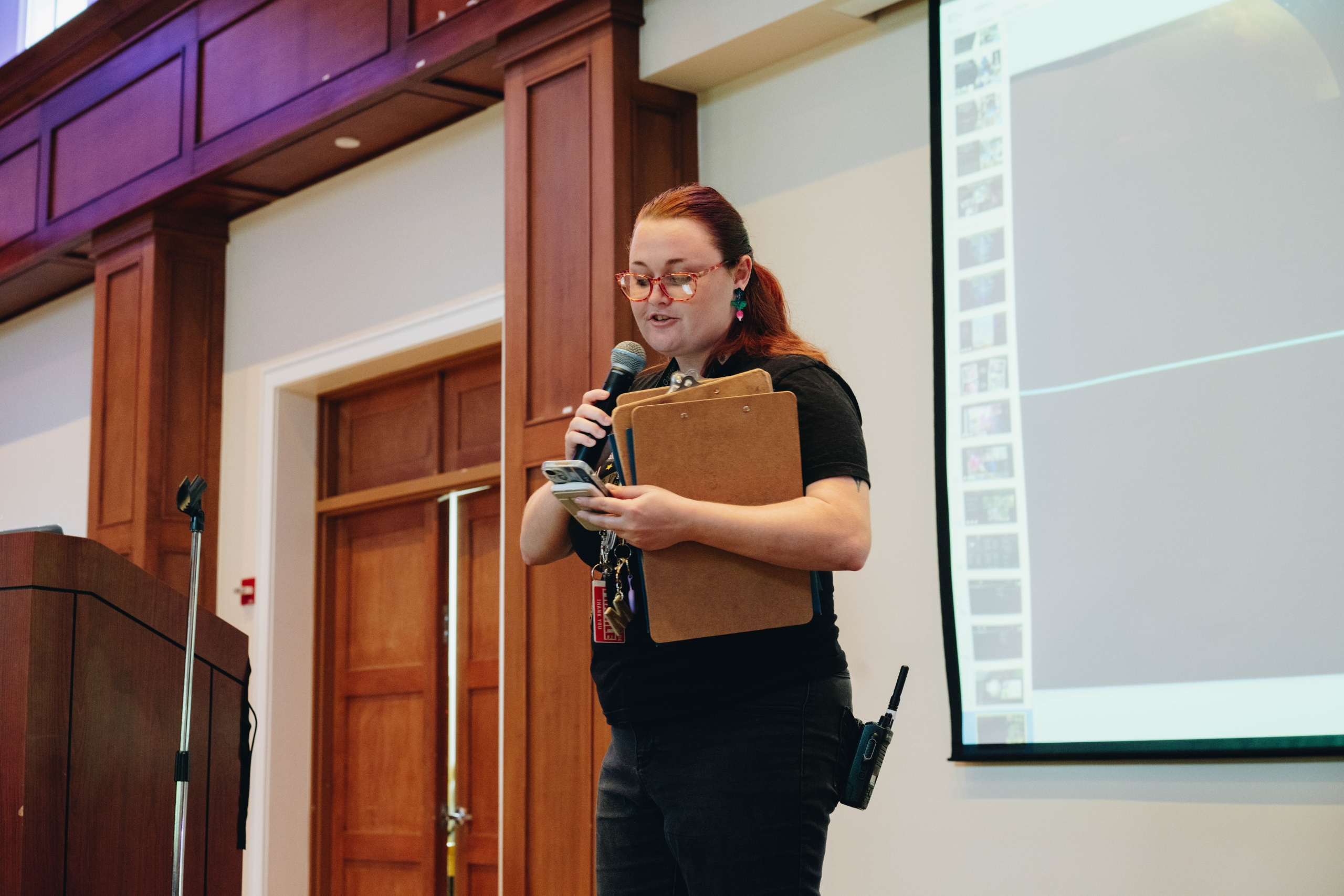
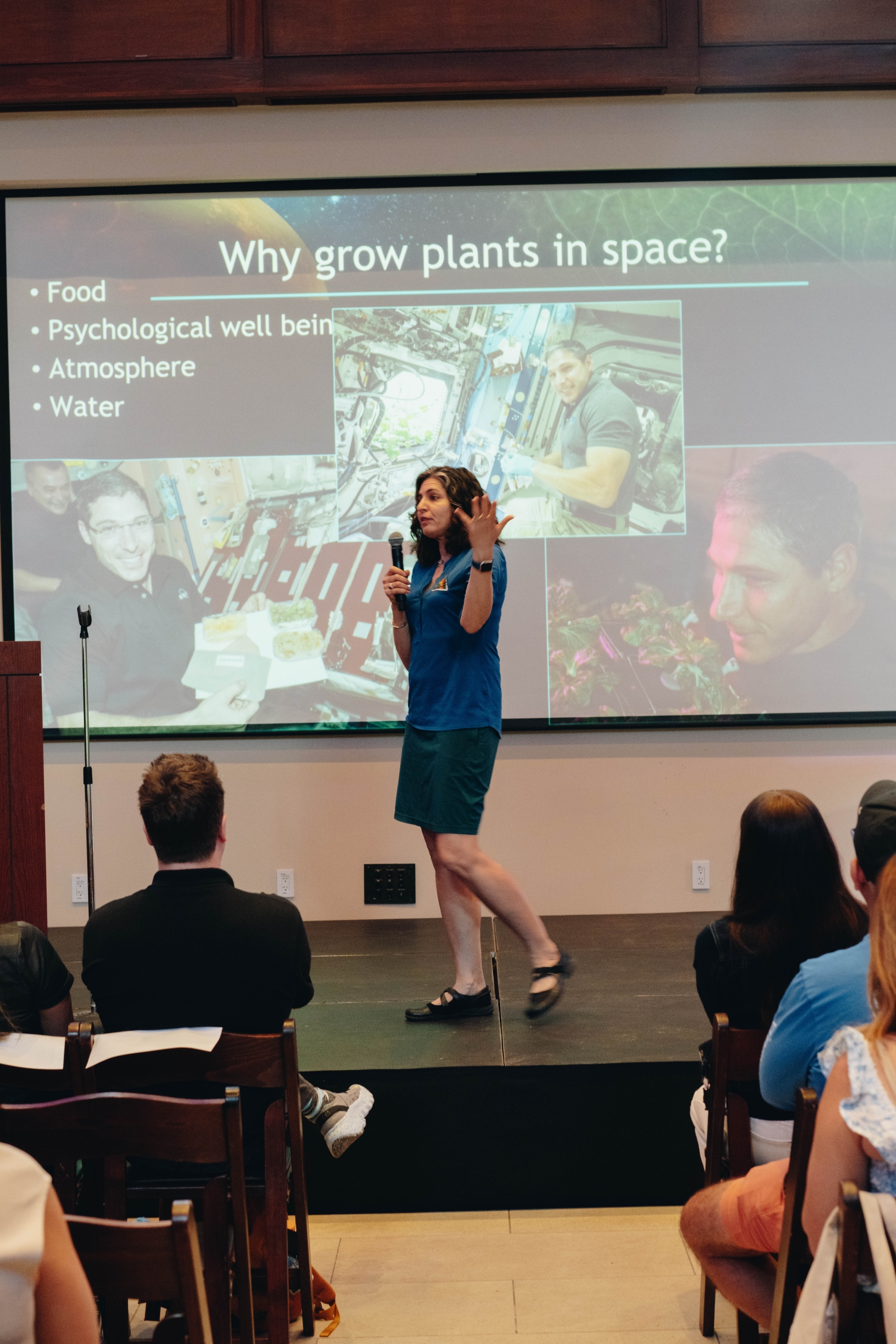
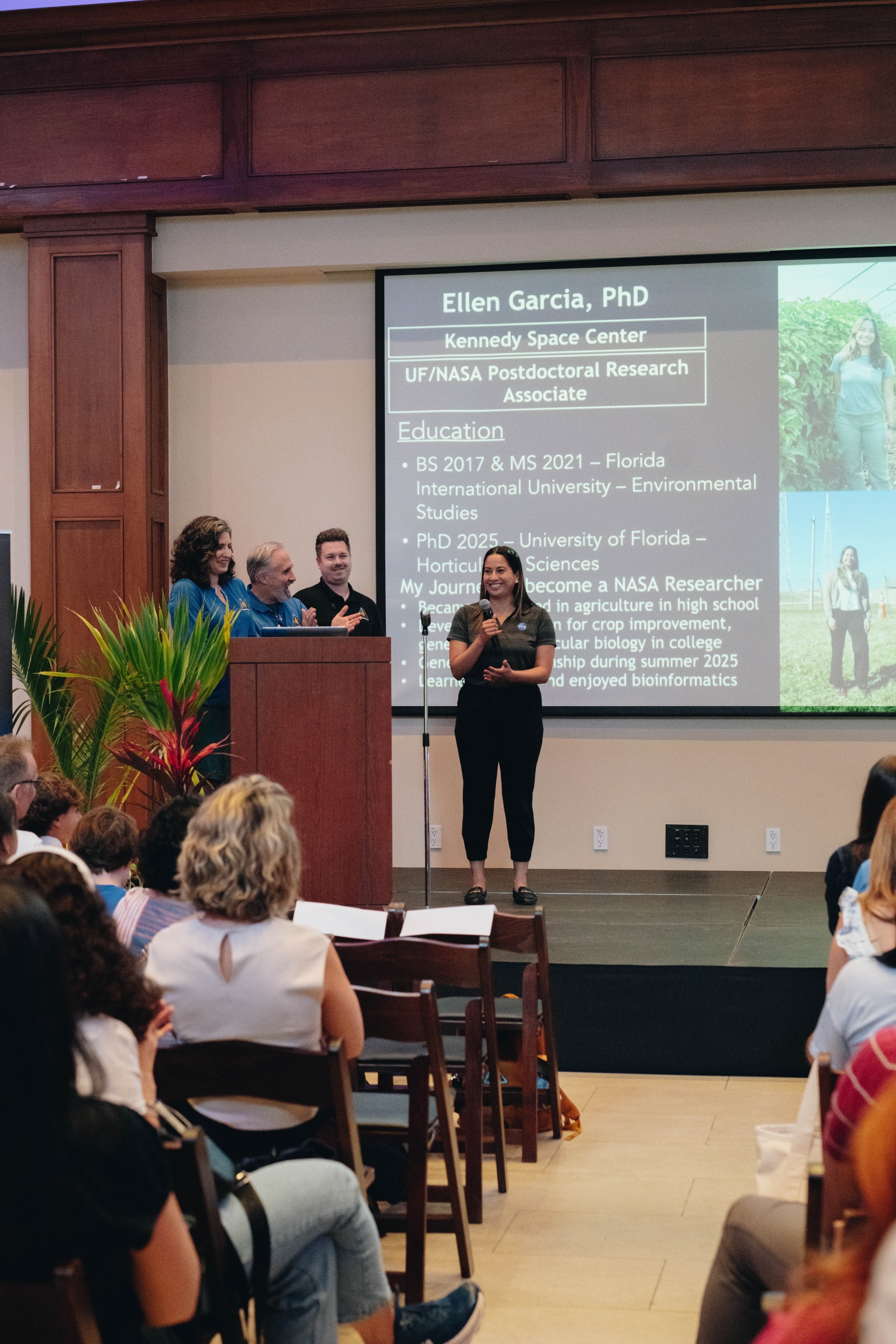
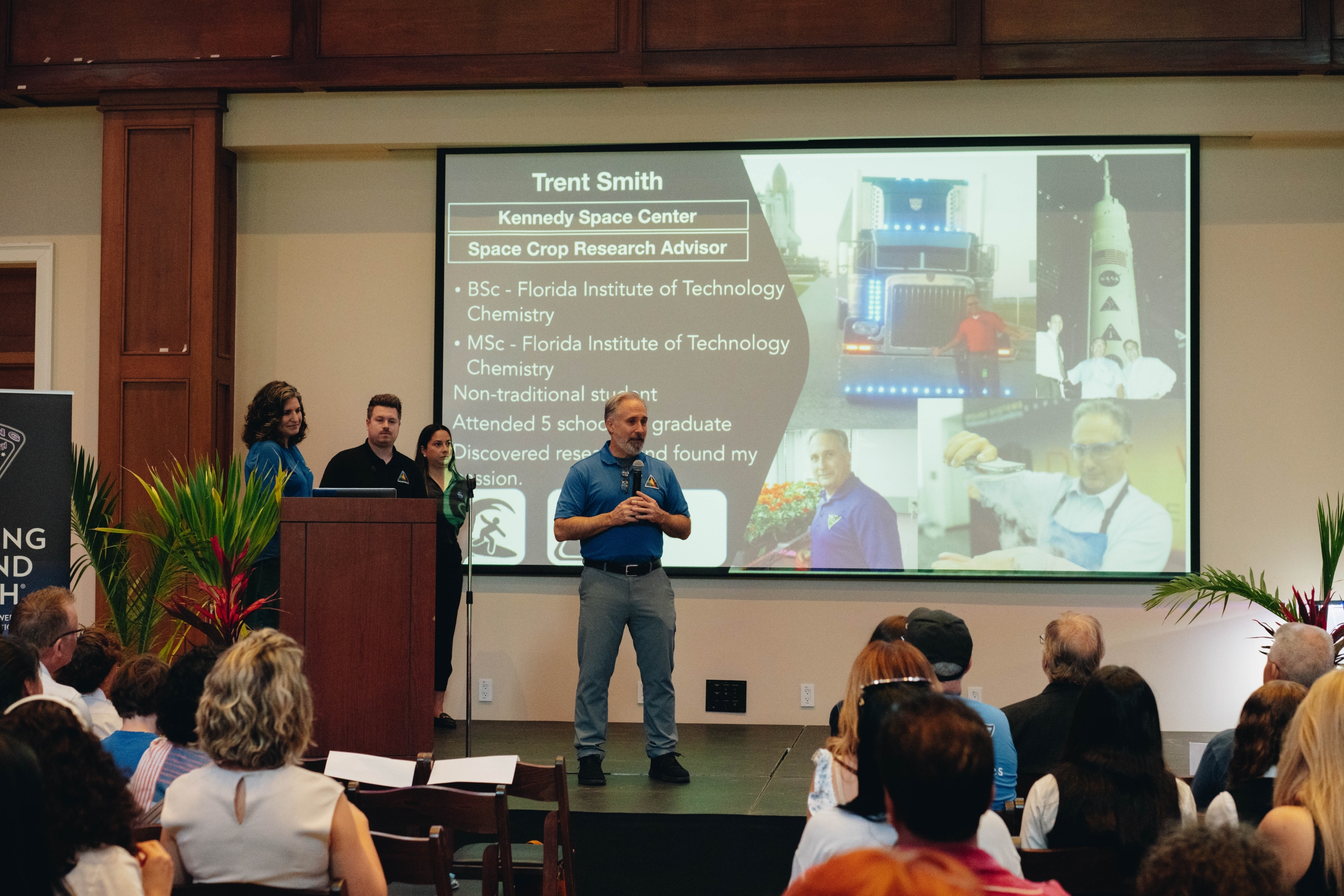
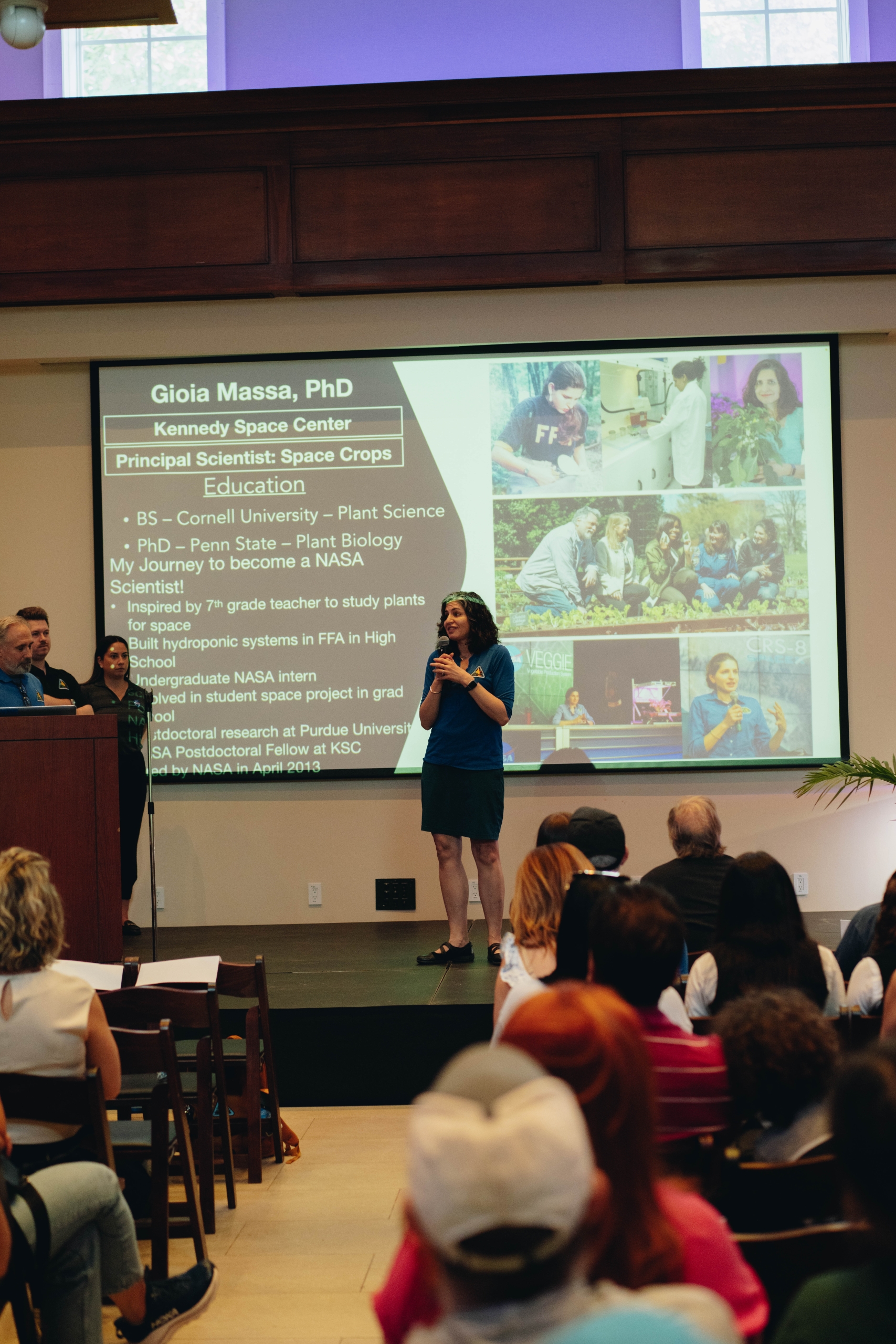
We’re excited to share that this year’s GBE Student Research Symposium was a tremendous success!
With participation from over 80 schools and more than 300 participants, the event brought together an incredible community of students, educators, and judges from across the country. Both virtual and in-person presentations showcased innovative research, creative problem-solving, and a strong commitment to scientific exploration.
Our judges played a key role in providing thoughtful feedback and helping highlight outstanding projects, while students had the opportunity to share their work, learn from one another, and engage with experts in the field.
Thank you to everyone who helped make this year’s symposium such a meaningful and inspiring experience. We look forward to continuing to grow this community and seeing even more schools join us in the future.
We are excited to recognize this year’s top-performing schools across both virtual and in-person presentations:
Virtual Symposium – Top 5 Recognized Schools:
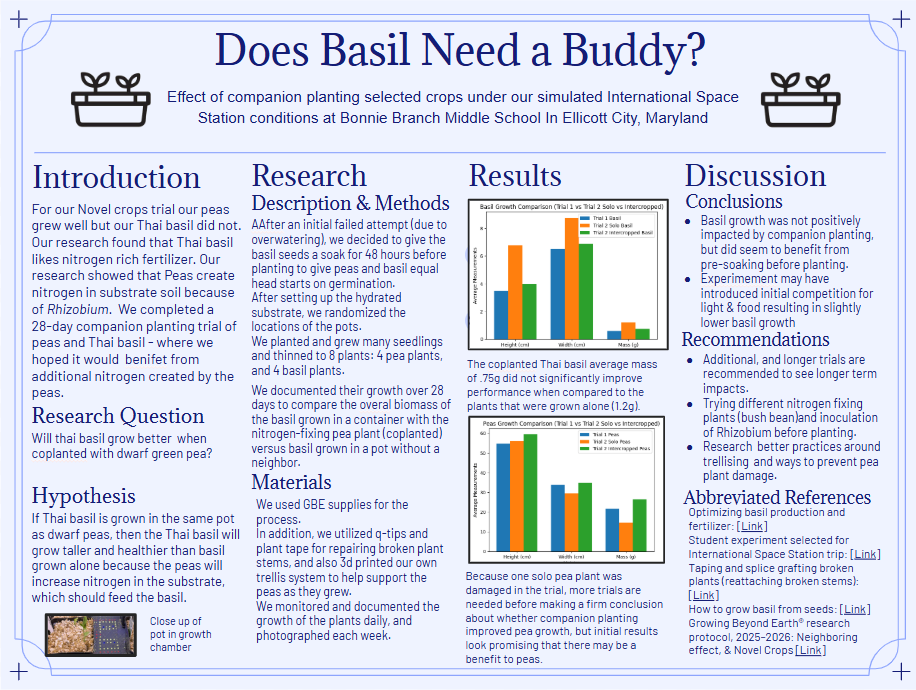
Bonnie Branch Middle School
Brick Memorial High School
East Rockaway Junior Senior HS
Ingenious Steam PR
Odyssey Early College and Career Options
In-Person Symposium – Top Honors:
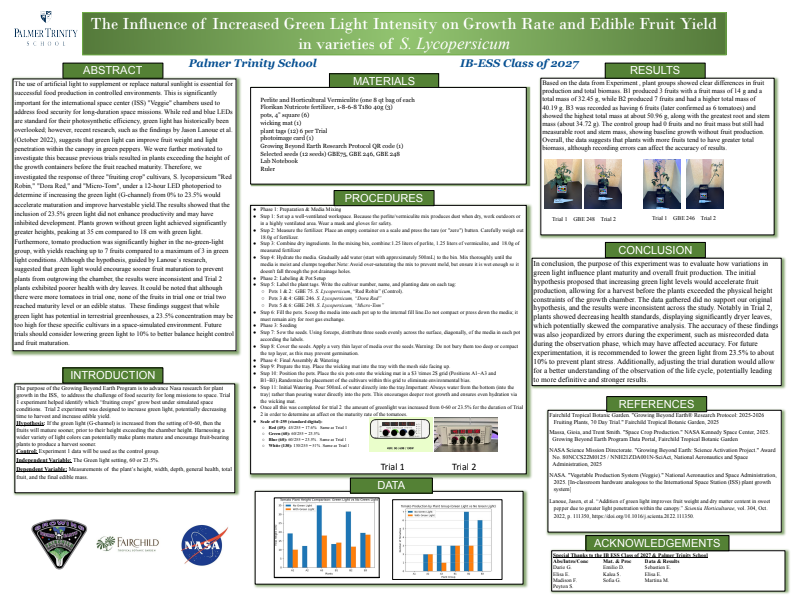
First Place: BioTECH at Richmond (9–12) Team SAGE
Second Place: North Broward Preparatory School
Director’s Choice Award: Miami Palmetto Senior High School
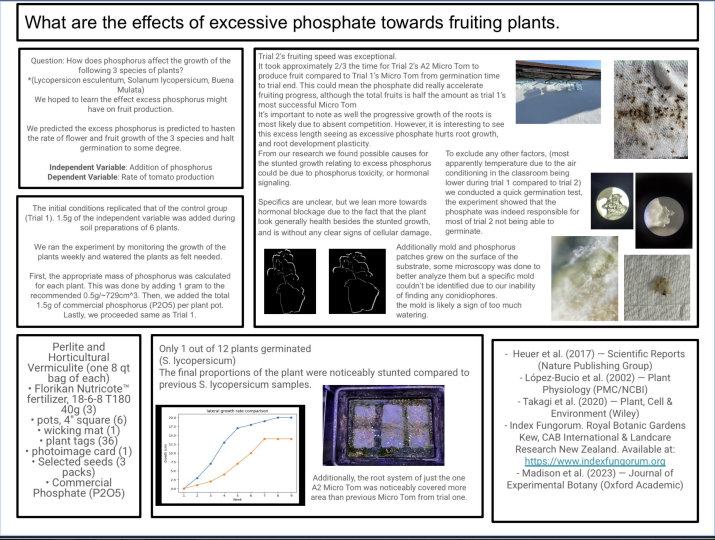
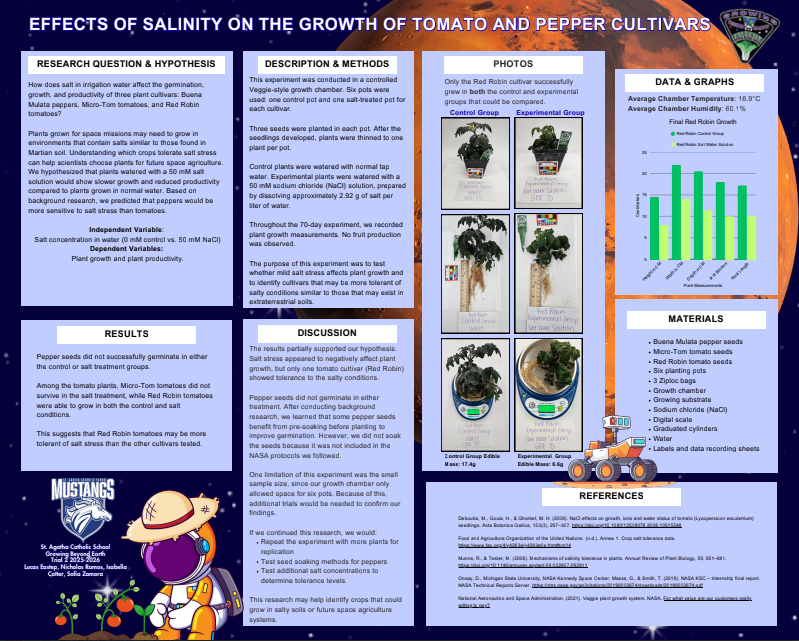
Which selected fruiting plant cultivars grow best under our simulated International Space Station conditions under a longer growth period?
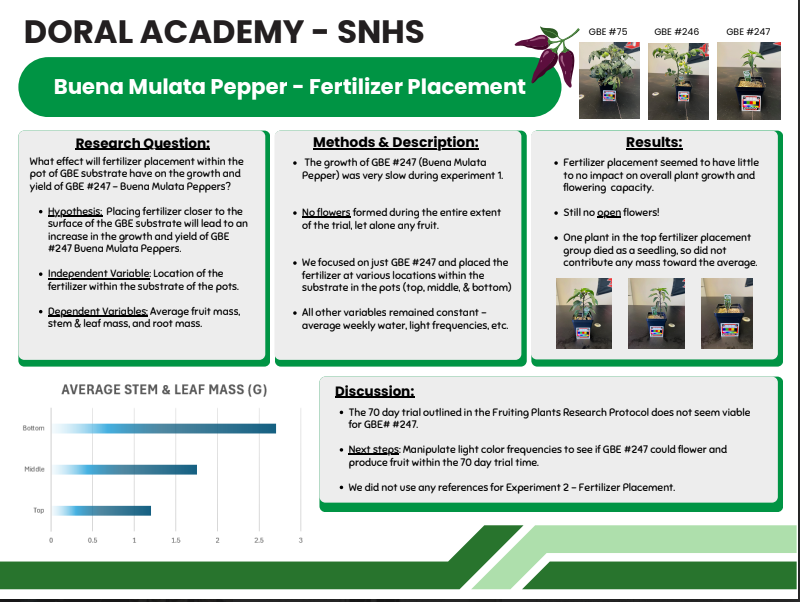
In this trial, you will grow one of three cultivars new to the GBE program. Unlike standard Novel Crops plants, these are grown for their fruits and require a longer growth period for harvest.
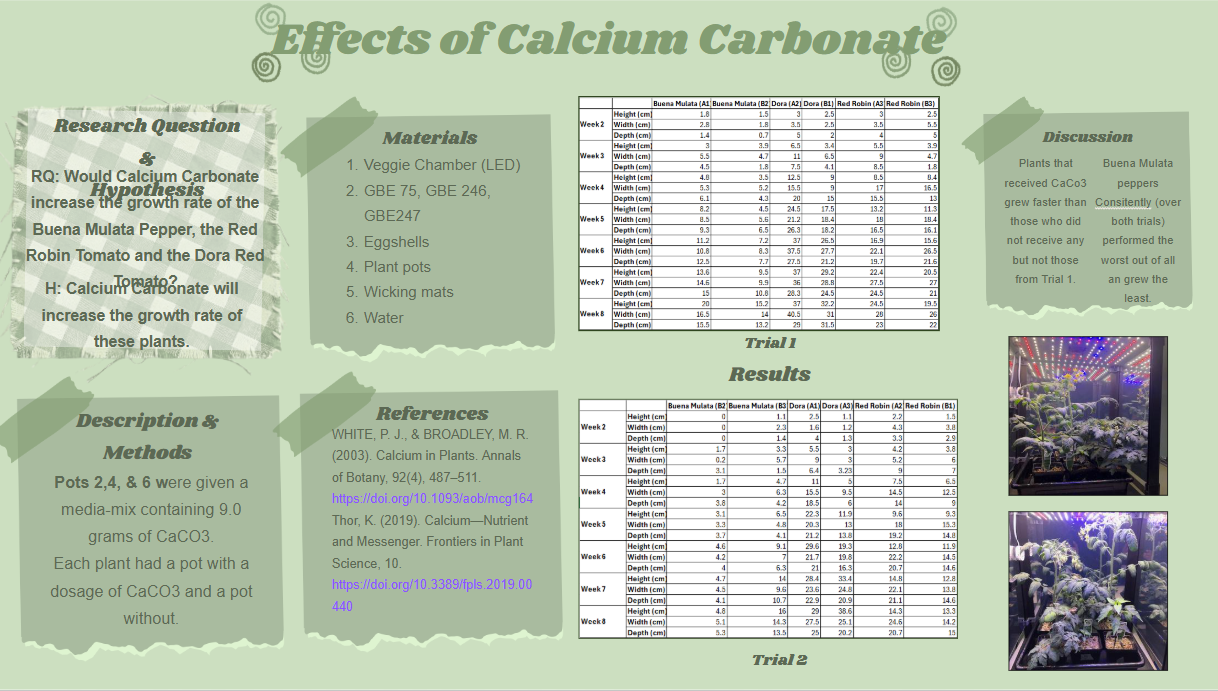
Cultivars: Tomato – Micro Tom, Tomato – Heartbreakers™ Dora Red Hybrid, Pepper – Buena Mulata
Neighboring Effect:
Optional for returning teachers
28 day trial
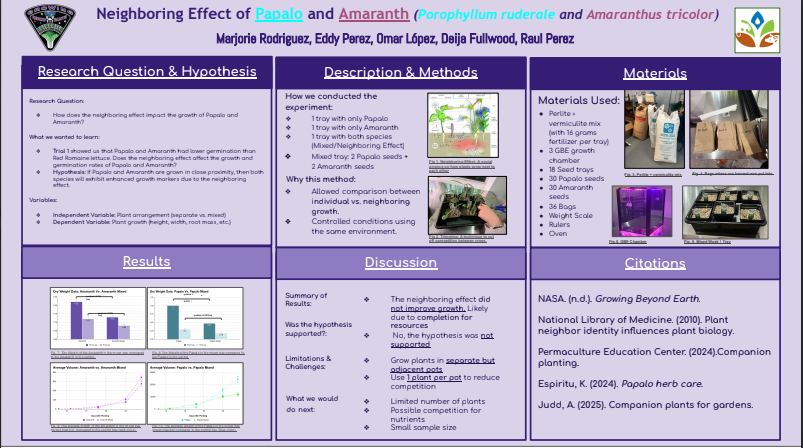
Do select companion plant strategies improve growth outcomes in previously tested cultivars under our simulated International Space Station conditions?
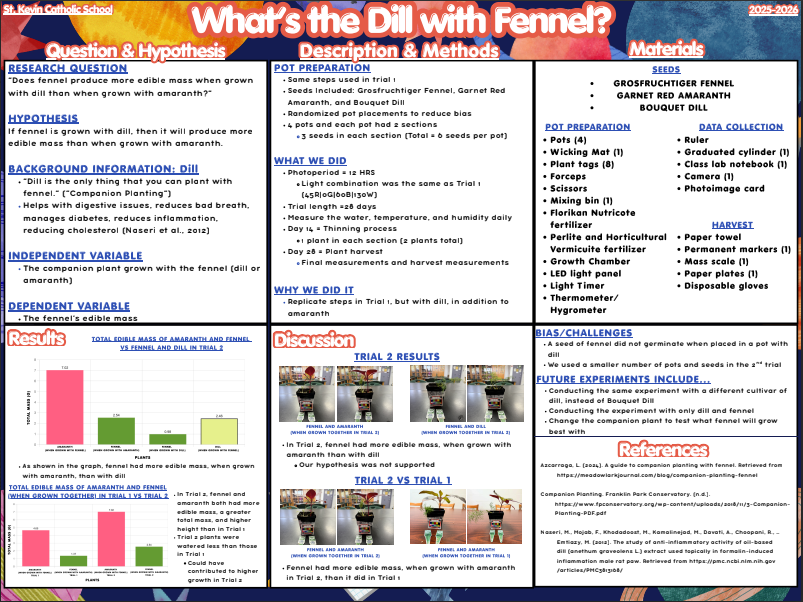
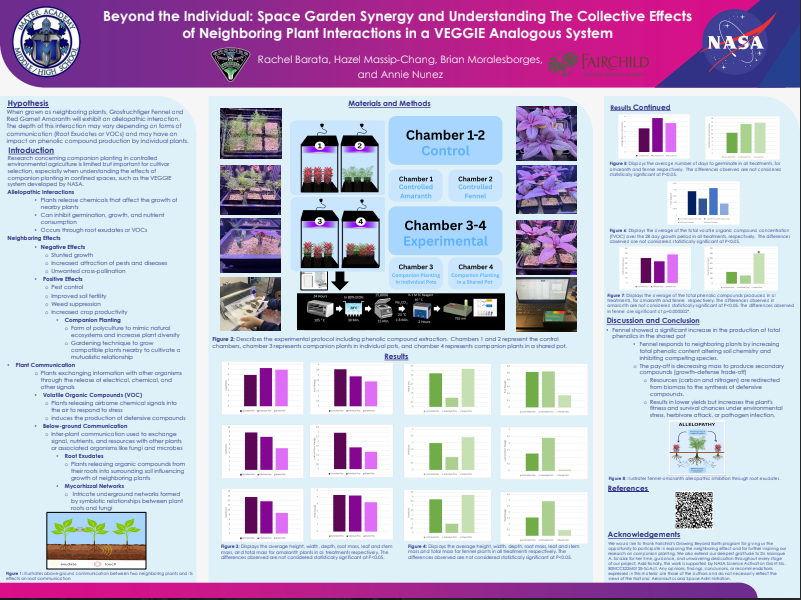
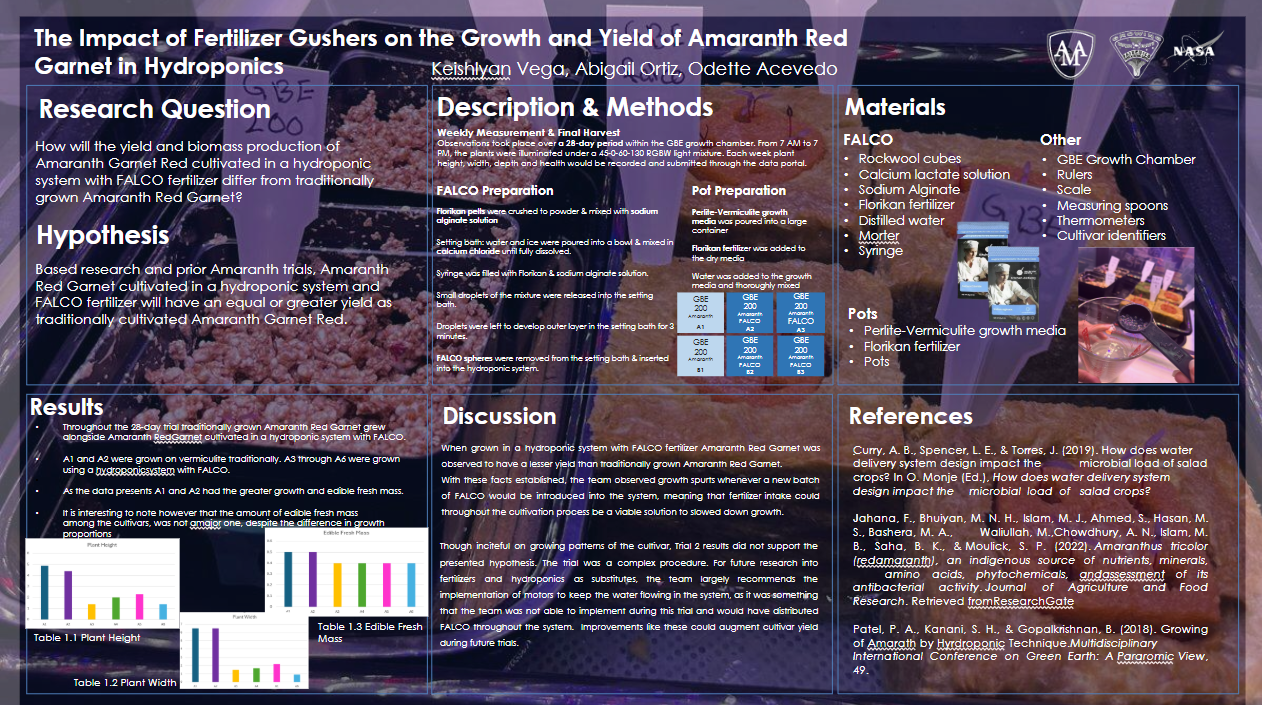
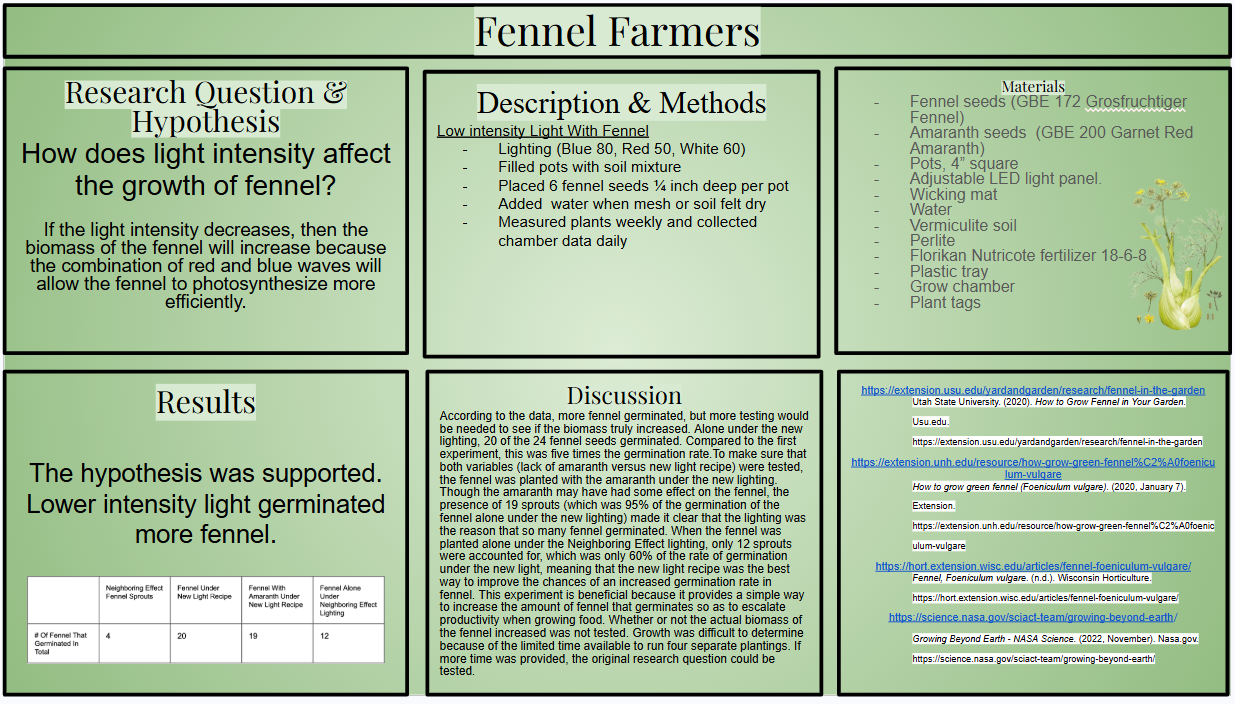
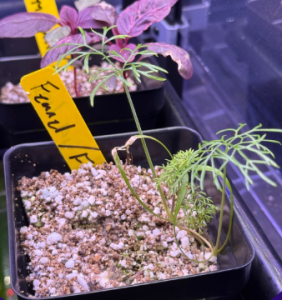
In this trial, you will grow two previously tested cultivars together to determine compatibility. Fennel is notoriously allelopathic, or known to harm other plants’ growth, but our preliminary testing suggests that this amaranth may be compatible.
Cultivars: Fennel – Grosfruchtiger, Amaranth – Garnet Red
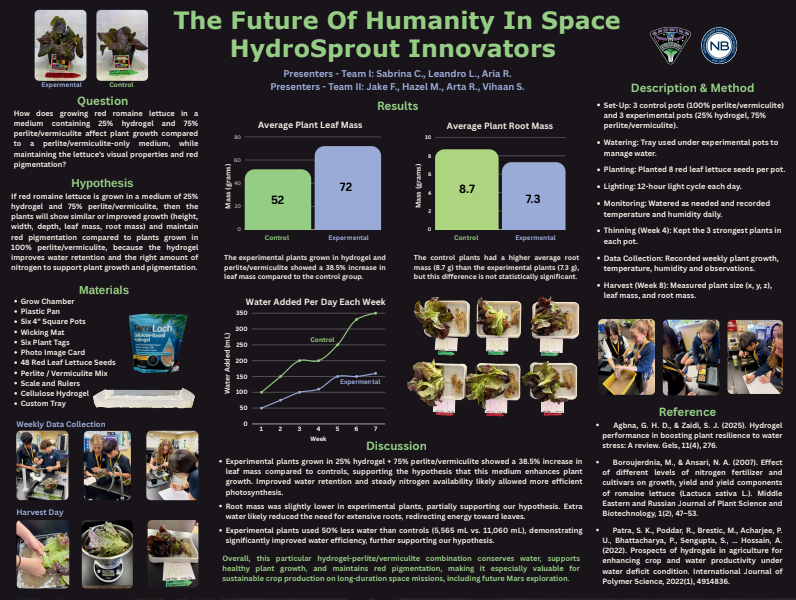
Do select cultivars withstand both flood and drought stress under our simulated International Space Station conditions?
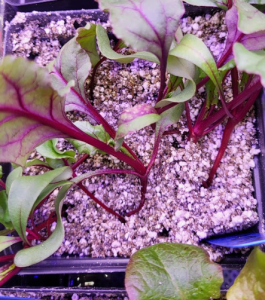
In this trial, you will grow a previously tested cultivar under both extreme drought conditions and extreme flood conditions to simulate water stress that may be experienced on the ISS. This experiment is modeled after active Kennedy Space Center research in the Advanced Plant Habitat system.
Cultivars: Round Red
Beets – Early Wonder Tall Top
Fertilizer Placement:
Optional for returning teachers
28 day trial
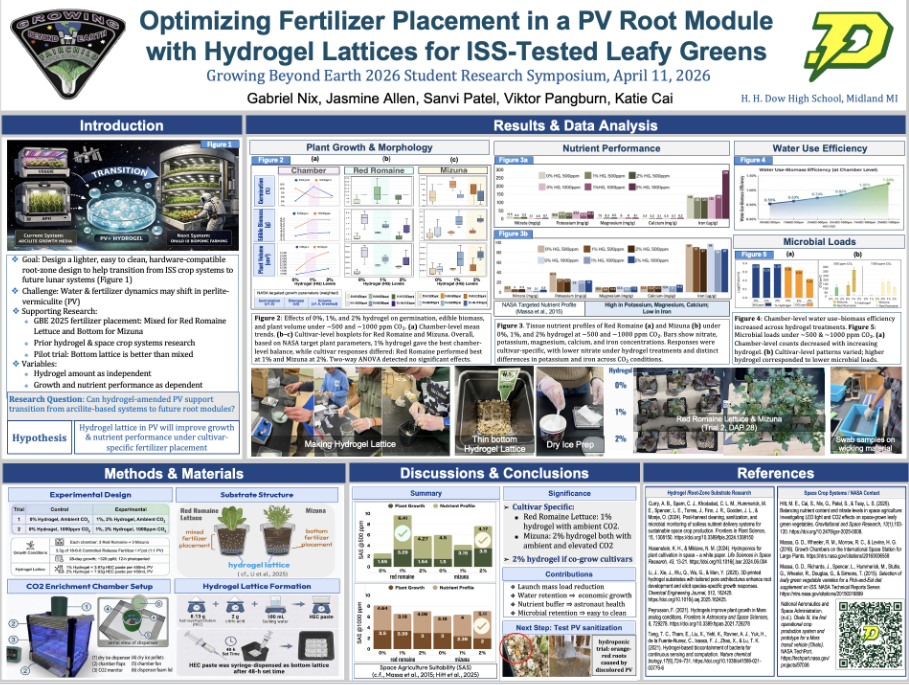
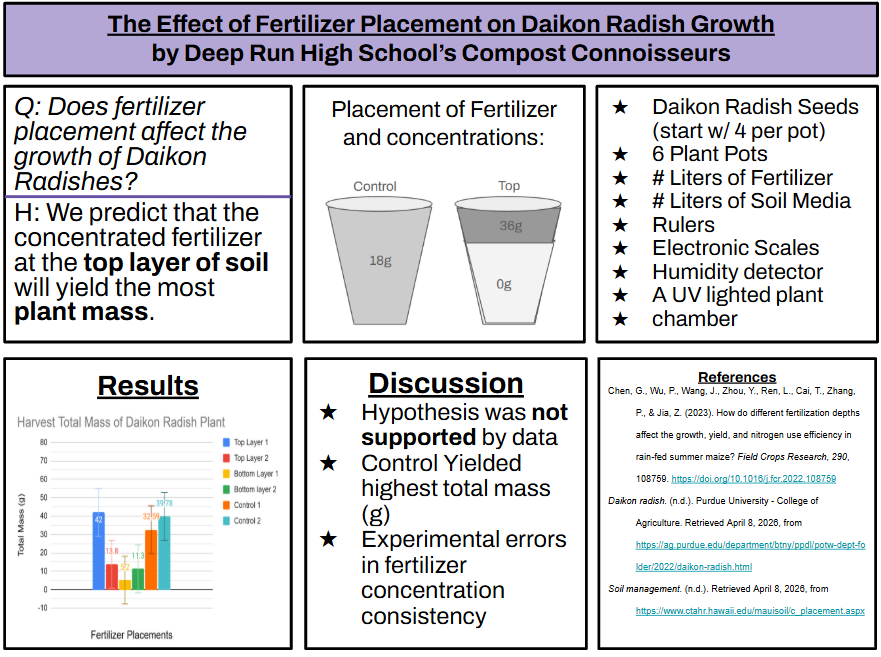
How do select cultivars respond to adjusted fertilizer placement under our simulated International Space Station conditions?
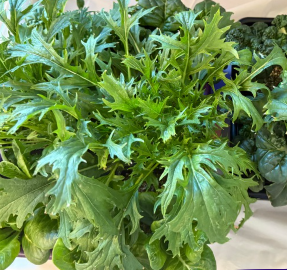
In this trial, you will compare plant growth with fertilizer placed at the bottom of the pot versus uniformly mixed throughout the growing media. This experiment is based on internal testing to determine what may be causing post-germination failure-to-thrive and led to unexpected results.
Cultivars: Red Romaine Lettuce- Outredgeous, Mizuna
Who's Participating?
This website is based upon work supported by NASA Grant No. 80NCCS22M0125-SciAct. Any opinions, findings, conclusions, or recommendations expressed in this material are those of the authors and do not necessarily reflect the views of the National Aeronautics and Space Administration.